
Credit – SS2 Commerce Lesson Note (Second Term)
Download this term · ₦1,000Lesson note at a glance
- Subject
- Commerce
- Class
- SS2
- Term
- Second Term
- Topic
- Credit
- Order
- Topic 1 of 5 this term
- Reading time
- 4 min
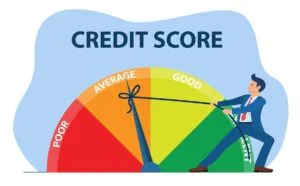
Credit is the ability of an individual or a corporate entity to buy and enjoy goods and services and pay at a future date, usually with interest.
Behavioural objectives
By the end of the lesson, students should be able to:
- define credit;
- state the bases on which credit is granted;
- describe the sources or types of credit: loans, overdraft, lease, trade credit, hire purchase and deferred payment;
- state the advantages and disadvantages of hire purchase to the seller and to the customer;
- state the similarities between hire purchase and deferred payment.
What must be considered before credit is granted?
The creditworthiness of the buyer must be taken into consideration before granting credit, so that it will not lead to bad debt. There should also be a contractual agreement between the seller and the buyer.
On what basis is credit granted?
Credit can be granted based on the following:
- The income of the buyer
- Sources of payment
- Integrity of the buyer
- Availability of guarantors
- Present employment
- Time of payment
What are the sources or types of credit?
Loans
Loans are formal credits granted to a customer, repayable at an agreed date, place and condition. A loan could also be given informally by friends. Loans require collateral security.
Overdraft
An overdraft is a formal credit granted to customers with current accounts. It allows a customer to withdraw more money than the balance in his account. The amount overdrawn is repaid as he makes future deposits, with interest.
Lease
A lease is the permission granted to a lessee to use equipment, land, plant or machinery for a given purpose (for example, the production of goods or the rendering of services) over a period of time at an agreed condition.
Trade credit
Trade credit allows the trader to collect goods from a supplier without paying for them immediately. It is aimed at increasing the quantity of goods sold by the seller.
Hire purchase
Hire purchase is a form of credit whereby the seller allows the buyer to have possession of the goods on the payment of the first instalment of the agreed price. Under this arrangement, the seller retains ownership of the goods until the last instalment is paid. Otherwise, the buyer loses possession to the seller and no refund is made of the earlier amount paid.
Advantages of hire purchase to the seller
- The seller gains more, as he sells the goods at a higher price than he would have done for cash.
- He sells more goods over a given period.
- He stands to gain whether the buyer defaults or not.
- The system enables the seller to sell fairly durable and expensive articles such as motorcycles, computers and television sets.
Disadvantages of hire purchase to the seller
- The seller may incur additional costs to recover the goods if the buyer defaults.
- The wear and tear (depreciation) is borne by the seller whose goods are later reclaimed.
- There is the risk of the seller losing the goods completely if the buyer dies, is transferred to another location, or changes address unknown to the seller.
Advantages of hire purchase to the customer
- It allows the customer with little income to buy expensive goods.
- Customers enjoy the use of the goods while payment is going on.
- It encourages saving habits for customers.
- It enables people to acquire important household items.
Disadvantages of hire purchase to the customer
- The buyer is not given the chance to negotiate favourable conditions of sale.
- Customers are made to pay higher interest rates.
- Customers stand the risk of buying more than they can readily pay for.
- The risk of losing both the goods and the instalments already paid is possible.
- The buyer may not be able to insist on good quality goods.
Deferred payment
Deferred payment is a form of credit whereby the seller allows the buyer ownership of the goods on payment of an initial deposit. Under this arrangement, the seller can only sue for his balance should the buyer default. Generally, deferred payment facilities favour the buyer, while hire purchase favours the seller.
What are the similarities between hire purchase and deferred payment?
- Under both systems, the hirer and the buyer take possession of the goods.
- Both the hirer and the buyer may start using the goods as soon as the initial deposit is made.
- Both hire purchase and deferred payment attract instalment payment.
- The same type of goods, such as durable capital goods and durable consumer goods, are sold.
- Prices of goods on both systems are often higher than normal sales.
- Both have serious legal implications for the buyer if he defaults on payment.
Evaluation
- Define credit.
- State the six bases on which credit can be granted.
- Explain overdraft and lease.
- State three disadvantages of hire purchase to the seller.
- Who owns the goods under hire purchase until the last instalment is paid?
Assignment
- State four advantages of hire purchase to the customer.
- State four similarities between hire purchase and deferred payment.
- Explain how deferred payment differs from hire purchase in who owns the goods and what the seller can do if the buyer defaults.
This term's Commerce topics
SS2 Second Term · 5 topics
Get Commerce as PDF and Word
Every week of SS2 Commerce, Second Term, formatted and ready to print. Ad-free, and the copy lock comes off.
Get this term Card, bank transfer, USSD or OPay
Second Term Commerce Lesson Notes for Other Topics
Economic Grouping in West Africa (CONTD) West Africa Clearing House (WACH), Mano River Basin Commission.
Read the full lesson note.
Economic Grouping in West Africa - (ECOWAS) & Niger Basin Commission
Read the full lesson note.

Privatisation and Commercialisation
Read the full lesson note.
Business Documents and Means of Payment
Read the full lesson note.
Advertising
Read the full lesson note.
Introduction to Marketing
Read the full lesson note.
Insurance
Read the full lesson note.
Trade Associations
Read the full lesson note.
Transportation
Read the full lesson note.
Consumer Protection
Read the full lesson note.

Foreign Trade III: Documents Used in Foreign Trade
Read the full lesson note.

Foreign Trade V - Nigeria Ports (NPA) & Nigeria Airport Authority (NAA)
Read the full lesson note.
Foreign Trade - Custom And Excise Authority
Read the full lesson note.
Foreign Trade II: Concepts of International Trade
Read the full lesson note.
Foreign Trade
Read the full lesson note.
Lesson Notes for Other Classes
Basic 1 Lesson Note
The complete lesson note to guide your studies.

Basic 2 Lesson Note
The complete lesson note to guide your studies.

Basic 3 Lesson Note
The complete lesson note to guide your studies.

Basic 4 Lesson Note
The complete lesson note to guide your studies.

Basic 5 Lesson Note
The complete lesson note to guide your studies.

Basic 6 Lesson Note
The complete lesson note to guide your studies.
