
Consumer Protection – SS2 Commerce Lesson Note (Second Term)
Download this term · ₦1,000Lesson note at a glance
- Subject
- Commerce
- Class
- SS2
- Term
- Second Term
- Topic
- Consumer Protection
- Order
- Topic 4 of 5 this term
- Reading time
- 3 min
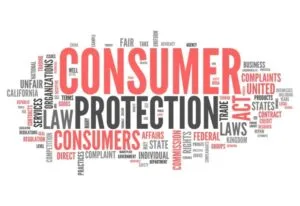
What is consumer protection?
Consumer protection is the practice of safeguarding buyers of goods and services, and the public, against unfair practices in the marketplace.
Behavioural objectives
By the end of the lesson, students should be able to:
- define consumer protection;
- state the reasons for consumer protection;
- list the laws that protect consumers in Nigeria;
- explain what each of these laws is meant to do.
Why are consumers protected?
- To protect consumers against substandard and poor quality goods.
- To ensure that consumers get maximum satisfaction from the commodities they buy.
- To reduce the exploitation of consumers by manufacturers and middlemen.
- To protect consumers from misleading claims and false advertisements.
- To curtail unfair trading practices.
What laws protect consumers in Nigeria?
1. Food and Drug Act 1955
This law regulates the manufacture, sale and advertisement of food, drugs and similar products. The Act provides that:
- Goods that contain poisonous or harmful substances are unfit for human consumption.
- Adulterated goods or drugs must not be sold.
- All goods must be accurately labelled with the ingredients they contain.
- Environmental health officers may close down any premises that sell unfit food products.
- The Act has been amended by various food hygiene laws, which control how food products are prepared in restaurants and pubs, but the Act itself remains in force.
2. Weights and Measures Act 1963
Under this Act:
- It is illegal for businesses and manufacturing firms to sell goods that are not of the weight or measure stated on their packaging.
- Manufacturers of powdered goods are allowed a slight difference, because they can state that the contents may settle during transportation.
- Standard weights and measurement systems are used.
3. Price Control Decree 1970
The decree was introduced to control inflation by fixing the retail prices of some commodities. Its aim is to stabilise general price levels.
4. Trade Description Act 1968
This Act was introduced to prevent the deception of consumers by false advertising. It prohibits misleading descriptions of goods and services.
5. Standards Organisation Decree 1971
The decree established the Standards Organisation of Nigeria (SON) to standardise methods and products in industries and to ensure compliance with government policy on standardisation.
6. Hire Purchase Act 1975
The Hire Purchase Act was passed to put a brake on injustice in hire purchase transactions. It sets out the requirements for hire purchase and credit sale agreements.
7. Rent Edict
The Rent Edict was introduced to curb the excesses of landlords and agents. It controls the rent that landlords charge, ensures compliance with the edict, protects the rights of tenants and curtails the activities of caretakers and agents.
8. Sales of Goods Act 1893
The Sales of Goods Act was introduced to regulate the rights and duties of the seller and the buyer. Its provisions are that:
- the seller has the right to sell in any contract of sale;
- the goods must correspond with their description;
- the bulk must correspond with the samples;
- the goods must be fit for the purpose for which they are required.
Evaluation
- Define consumer protection.
- State four reasons for consumer protection.
- What is the purpose of the Price Control Decree 1970?
- Which body was established by the Standards Organisation Decree 1971, and what does it do?
- State two provisions of the Weights and Measures Act.
Assignment
- Explain any four laws that protect consumers in Nigeria.
- Describe how the Food and Drug Act protects consumers.
This term's Commerce topics
SS2 Second Term · 5 topics
- Credit
- Trade Associations
- Insurance
- Consumer Protection
- Transportation
Get Commerce as PDF and Word
Every week of SS2 Commerce, Second Term, formatted and ready to print. Ad-free, and the copy lock comes off.
Get this term Card, bank transfer, USSD or OPay
Second Term Commerce Lesson Notes for Other Topics
Economic Grouping in West Africa (CONTD) West Africa Clearing House (WACH), Mano River Basin Commission.
Read the full lesson note.
Economic Grouping in West Africa - (ECOWAS) & Niger Basin Commission
Read the full lesson note.
Privatisation and Commercialisation
Read the full lesson note.
Business Documents and Means of Payment
Read the full lesson note.
Advertising
Read the full lesson note.
Introduction to Marketing
Read the full lesson note.
Insurance
Read the full lesson note.
Credit
Read the full lesson note.
Trade Associations
Read the full lesson note.
Transportation
Read the full lesson note.

Foreign Trade III: Documents Used in Foreign Trade
Read the full lesson note.

Foreign Trade V - Nigeria Ports (NPA) & Nigeria Airport Authority (NAA)
Read the full lesson note.
Foreign Trade - Custom And Excise Authority
Read the full lesson note.
Foreign Trade II: Concepts of International Trade
Read the full lesson note.
Foreign Trade
Read the full lesson note.
Lesson Notes for Other Classes

Basic 1 Lesson Note
The complete lesson note to guide your studies.

Basic 2 Lesson Note
The complete lesson note to guide your studies.

Basic 3 Lesson Note
The complete lesson note to guide your studies.

Basic 4 Lesson Note
The complete lesson note to guide your studies.

Basic 5 Lesson Note
The complete lesson note to guide your studies.

Basic 6 Lesson Note
The complete lesson note to guide your studies.
