
Cattle Diseases – SS1 Livestock Farming Lesson Note (Third Term)
Download Lesson NoteLesson note at a glance
- Subject
- Livestock Farming
- Class
- SS1
- Term
- Third Term
- Topic
- Cattle Diseases
- Order
- Topic 4 of 7 this term
- Reading time
- 4 min
In our last lesson, we talked about breeding and how to get the most milk and meat from our cattle. However, all that hard work can disappear if your cattle fall sick. Cattle are big animals, but they can be brought down by very tiny germs.
As a farmer, you need to be observant. If a cow is not eating, is standing away from the herd, or has a dull coat, something is wrong. Today, we will look at three major diseases that give cattle farmers the most trouble in Nigeria.
Trypanosomiasis (Sleeping Sickness)
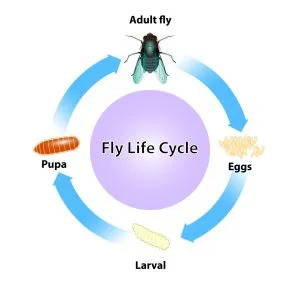
This is perhaps the biggest “enemy” of cattle in the southern and central parts of Nigeria. It is caused by a tiny parasite carried by the Tsetse Fly.
- How it spreads: When a tsetse fly bites an infected animal and then bites a healthy one, it passes the parasite into the blood.
- Signs and Symptoms:
- The cow becomes very thin (wasting away).
- Fever that comes and goes.
- Swollen lymph nodes (under the jaw or neck).
- Anemia (pale eyes and gums because the parasite eats the red blood cells).
- If not treated, the cow becomes very weak, “sleepy,” and eventually dies.
- Control and Prevention:
- Bush Clearing: Tsetse flies love to hide in thick bushes. Clearing the area around your farm helps.
- Tsetse Fly Traps: Using special blue or black cloth traps to catch the flies.
- Resistant Breeds: Keeping breeds like the Muturu or N’dama, which are naturally tough against this disease.
 Foot and Mouth Disease (FMD)
This is a very contagious virus. It spreads like wildfire through saliva, breath, or even on the shoes of a farmer who walked through an infected pen.
- Signs and Symptoms:
- Sores/Blisters: Painful sores appear inside the mouth, on the tongue, and between the “toes” of the hooves.
- Drooling: The cow will produce a lot of thick, foamy saliva because its mouth hurts.
- Limping: Because of the sores on the feet, the cow finds it very painful to walk (lameness).
- Loss of Appetite: The cow stops eating because chewing is painful.
- Control and Prevention:
- Vaccination: Regular shots can prevent the virus.
- Quarantine: If you buy a new cow, keep it away from your main herd for 21 days to make sure it isn’t carrying FMD.
- Disinfection: Using a “Foot Bath” at the entrance of the pen so everyone steps in a germ-killing solution before entering.
Mastitis (The Milk Disease)
This is the nightmare of every dairy farmer. It is an infection of the Udder (the milk bag), usually caused by bacteria entering the teats.
- Signs and Symptoms:
- Swollen Udder: One or more quarters of the milk bag become hot, hard, and very painful to the touch.
- Bad Milk: The milk might look watery, have yellow lumps (clots), or even contain blood.
- Kick-backs: The cow may try to kick the farmer during milking because she is in pain.
- Control and Prevention:
- Cleanliness: Always wash your hands and the cow’s udder with warm water and disinfectant before milking.
- Teat Dipping: After milking, dip the teats in an antiseptic solution (like iodine) to seal the hole and keep bacteria out.
- Complete Milking: Never leave “leftover” milk in the udder; it encourages bacteria to grow.
General Management for Disease Control
To keep your cattle healthy, you don’t always need expensive medicine. You need a good routine:
- Dipping or Spraying: Use chemicals (Acaricides) once a week or every two weeks to kill Ticks and Lice. These insects suck blood and carry many other fevers.
- Regular Deworming: Give the cattle “drench” (liquid medicine) or bolus (big pills) to kill internal worms.
- Good Nutrition: A hungry cow is a weak cow. A well-fed cow has a stronger immune system to fight off germs.
Summary Table
| Disease | Cause | Main Sign | Key Control |
| Trypanosomiasis | Parasite (Fly) | Wasting/Thinning | Clear bushes / Use Muturu |
| Foot and Mouth | Virus | Sores on mouth & feet | Vaccination / Quarantine |
| Mastitis | Bacteria | Hard, painful udder | Cleanliness / Teat dipping |
Class Activity / Review
- Thinking Corner: If you are a dairy farmer and your cow’s milk has yellow lumps in it, what is the first thing you should do?
- Logic: Why is the “Muturu” cow more valuable in a forest area with many tsetse flies than a “White Fulani” cow?
Homework: Draw a simple map of your school or home compound. Mark where the “bushes” are and explain how clearing them helps prevent cattle disease.
This term's Livestock Farming topics
SS1 Third Term · 7 topics
Third Term Livestock Farming Lesson Notes for Other Topics

Presentation of Projects
Read the full lesson note.

Career Opportunities in Livestock
Read the full lesson note.

Final Preparation of External Exam
Read the full lesson note.

Farm Mechanisation in Livestock
Read the full lesson note.

ICT in Livestock Farming
Read the full lesson note.

Farm management Simulation
Read the full lesson note.

Field Work
Read the full lesson note.

Project Work
Read the full lesson note.

Contemporary Issues
Read the full lesson note.

Government Policy in Livestock Farming
Read the full lesson note.

Corporative Societies in Livestock
Read the full lesson note.

Value Addition in Livestock
Read the full lesson note.
Marketing of Livestock Product II
Read the full lesson note.
Marketing of Livestock Product I
Read the full lesson note.

Farm Records and Account
Read the full lesson note.
Lesson Notes for Other Classes

Basic 1 Lesson Note
The complete lesson note to guide your studies.

Basic 2 Lesson Note
The complete lesson note to guide your studies.

Basic 3 Lesson Note
The complete lesson note to guide your studies.

Basic 4 Lesson Note
The complete lesson note to guide your studies.

Basic 5 Lesson Note
The complete lesson note to guide your studies.

Basic 6 Lesson Note
The complete lesson note to guide your studies.

