
Trade: Retailers & Retail Trade – SS1 Commerce Lesson Note (First Term)
Download this term · ₦1,000Lesson note at a glance
- Subject
- Commerce
- Class
- SS1
- Term
- First Term
- Topic
- Trade: Retailers & Retail Trade
- Order
- Topic 4 of 5 this term
- Reading time
- 5 min
Retail trade is the buying of goods in small quantities from wholesalers or manufacturers and selling them in units to final consumers.
Behavioural objectives
- Define retail trade and state its characteristics.
- Explain the functions of the retailer to the manufacturer, the wholesaler and the consumer.
- List the factors to consider when setting up a retail business.
- State the factors a retailer should consider when making purchases.
- Give reasons why a retail business may fail.
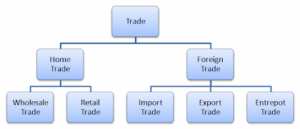
What is trade?
Trade is the buying and selling of goods and services.
- Home trade: buying and selling within one country. It has two parts: wholesale trade and retail trade.
- Foreign trade: buying and selling between one country and another.
What is retail trade?
Retail trade is the buying of goods in small quantities from the wholesaler or manufacturer and selling them in units (bits or fractions) to final consumers.
- Retailer: the trader who sells goods directly to the final consumer.
- Place in trade: retail trade is part of home trade.
- Example: a provision shop owner buys a carton of tomato paste tins from a wholesaler and sells the tins one by one.
What is the place of the retailer in the chain of distribution?
The retailer is the last link in the chain that takes goods from the manufacturer to the consumer.
What are the characteristics of the retailer and retail trade?
Retail trade is marked by small-scale buying and selling directly to consumers.
- Selling in units: the retailer sells in units or fractions.
- Wide variety: he stocks a wide range of goods.
- Direct sales: he sells directly to the ultimate consumers.
- Small purchases: he buys in small quantities from the wholesaler or manufacturer.
- Fast-selling goods: his wares are mainly consumer goods that sell quickly.
- Many small shops: a large number of small shops are involved.
- Final link: he is the last link in the distribution chain.
- Source of goods: most of his goods come from the wholesaler.
What is the difference between a wholesaler and a retailer?
A wholesaler buys in bulk from manufacturers and sells in large quantities to retailers. A retailer buys from the wholesaler and sells in small quantities to consumers.
| Point | Wholesaler | Retailer |
|---|---|---|
| Buys from | Manufacturers | Wholesalers or manufacturers |
| Sells to | Retailers | Final consumers |
| Quantity sold | Large (bulk) | Small (units) |
| Position in chain | Middle link | Last link |
What are the functions of the retailer?
The retailer serves the manufacturer, the wholesaler and the consumer.
What are the functions of the retailer to the manufacturer?
- Selling goods: he sells the manufacturer’s goods to the final consumer.
- Feedback: he tells the manufacturer what consumers like and dislike, directly or through the wholesaler.
- Advice: he advises the manufacturer.
What are the functions of the retailer to the wholesaler?
- Market information: he tells the wholesaler about consumer needs and changes in market trends.
- Advice: he advises the wholesaler.
What are the functions of the retailer to the consumer?
- Variety of goods: he stocks different goods in one place.
- Credit: he grants credit to credit-worthy customers.
- Information and advice: he gives useful information about goods.
- Breaking the bulk: he sells in the smallest quantities to the consumer.
- After-sales services: he offers services such as installation and servicing.
- Delivery: he delivers goods to the consumer’s door, sometimes free of charge, or on request.
- Preparing goods for sale: he packs or re-packs goods into sizes that suit consumers.
- Personal attention: he gives each customer individual attention.
- Guiding choices: he helps the consumer to choose well.
- Completing production: he adds finishing touches such as branding.
- Advertising: he advertises the goods.
- Nearness: he brings goods nearer to the consumer, including door-to-door service.
- Convenient hours: he opens and sells at times that suit consumers.
What factors should be considered when setting up a retail business?
Nine factors should be considered before setting up a retail business.
- Capital: the amount of money available.
- Location: the site of the shop.
- Experience: knowledge of the retail job.
- Layout: the plan or design of the shop, which must be attractive.
- Source of supply: where the goods will be bought.
- Pricing policy and terms of trade: whether to give discounts, give credit or sell for cash only.
- Type of goods: the nature of the goods to be sold.
- Operating plans: hours of business, opening time and trading days.
- Record keeping: how records will be kept.
What should a retailer consider when making purchases?
A retailer should weigh seven points before buying goods for resale.
- Quantity: how much to buy.
- Credit facility: the extent of credit the supplier will allow him.
- Quality: goods must meet consumers’ needs and tastes.
- Terms of payment: for example, the discount given.
- Transport cost: the cost of moving the goods to his shop.
- Method of delivery: for example, by road, rail or sea.
- Extra charges: any charge for packing or off-loading.
Why may a retail business fail?
A retail business fails mainly through poor planning, poor money management and lack of skill.
- Wrong purchases: buying goods that customers do not want.
- Poor record keeping: failure to keep proper accounting records.
- No insurance: failure to insure the business against loss.
- Extravagance: spending business money on personal expenses.
- Lack of experience: little knowledge of the trade.
- Poor credit administration: granting credit to customers without care.
- Inadequate capital: too little money to run and expand the business.
- Competition: pressure from bigger businesses.
- Poor planning: inability to plan and forecast the future.
- Ignoring market trends: insensitivity to changes in consumer demand.
Evaluation
- Define retail trade.
- State five characteristics of the retailer.
- Explain five functions of the retailer to the consumer.
- List four factors a retailer should consider when making purchases.
- Give four reasons why a retail business may fail.
Assignment
State five factors to consider when setting up a retail business, and explain how a retailer helps the manufacturer and the wholesaler.
This term's Commerce topics
SS1 First Term · 5 topics
- Introduction to Commerce
- Occupation
- Production
- Trade: Retailers & Retail Trade
- Foreign Trade
Get Commerce as PDF and Word
Every week of SS1 Commerce, First Term, formatted and ready to print. Ad-free, and the copy lock comes off.
Get this term Card, bank transfer, USSD or OPay
SS1 Commerce Lesson Notes for Other Topics
Introduction To Commerce
Read the full lesson note.
Occupation
Read the full lesson note.
Production
Read the full lesson note.
Foreign Trade
Read the full lesson note.
Home Trade - Small Retailers
Read the full lesson note.
Home Trade: Large Scale Retailers
Read the full lesson note.
Home Trade: Modern Trends In Retailing
Read the full lesson note.

Home Trade: Wholesale Trade
Read the full lesson note.

Foreign Trade
Read the full lesson note.
Foreign Trade II: Concepts of International Trade
Read the full lesson note.

Foreign Trade III: Documents Used in Foreign Trade
Read the full lesson note.
Foreign Trade - Custom And Excise Authority
Read the full lesson note.
Foreign Trade V - Nigeria Ports (NPA) & Nigeria Airport Authority (NAA)
Read the full lesson note.
Commodity Exchange
Read the full lesson note.
Sole Proprietorship
Read the full lesson note.
Lesson Notes for Other Classes

SS2 Lesson Note
The complete lesson note to guide your studies.

SS3 Lesson Note
The complete lesson note to guide your studies.
