
Synthetic and Naturally Occurring Drugs – Basic 6 Social Studies Lesson Note (Second Term)
Download this term · ₦1,000Lesson note at a glance
- Subject
- Social Studies
- Class
- Basic 6
- Term
- Second Term
- Topic
- Synthetic and Naturally Occurring Drugs
- Order
- Topic 18 of 18 this term
- Reading time
- 7 min
A drug is a substance that changes how the body or mind works, and naturally occurring drugs come from nature while synthetic drugs are made in laboratories.
Behavioural objectives
- Define naturally occurring drugs and synthetic drugs.
- Give examples of each type.
- State the differences and similarities between them.
- List ways of preventing drug abuse at individual, family, school, community, government and international levels.
- Describe the treatment options for people who are addicted.
What is a drug and what is drug abuse?
A drug is any substance that changes the way the body or mind works.
- Medicine: a drug used correctly to treat or prevent illness, such as paracetamol.
- Drug abuse: using a drug for a non-medical reason, or in the wrong amount.
- Addiction: a strong need to keep taking a drug even when it causes harm.
What are naturally occurring drugs?
Naturally occurring drugs are drugs that come from natural sources such as plants, animals and minerals.
- Processing: some are used almost as they are found, while others (such as heroin and cocaine) are refined before use.
- Examples in this note: marijuana, opium, cocaine, tobacco, alcohol, khat, psilocybin mushrooms and medicinal plants.
1. Marijuana (cannabis)

- Source: the cannabis plant.
- Parts used: leaves and flowers.
- Active chemical: THC, which acts on the mind.
- Effects: alters the mind and can cause addiction.
2. Opium
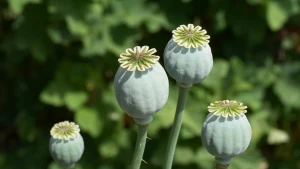
- Source: the opium poppy plant.
- Processed into: morphine and heroin.
- Medical use: morphine relieves severe pain.
- Abuse: heroin is highly addictive.
3. Cocaine
- Source: leaves of the coca plant.
- Origin: South America.
- Effect: a highly addictive stimulant.
- Legal status: illegal.
4. Tobacco
- Source: leaves of the tobacco plant.
- Active chemical: nicotine, which is addictive.
- Forms: cigarettes, cigars and snuff.
- Legal status: legal for adults but harmful.
5. Alcohol
- Source: fermented fruits and grains.
- Beer: made from grains.
- Wine: made from grapes.
- Spirits: made by distilling.
- Legal status: legal for adults but addictive.
6. Khat (chat)
- Source: leaves of the khat plant.
- Use: chewed for its stimulant effect.
- Where common: East Africa and the Middle East.
- Risk: can lead to dependence.
7. Mushrooms (psilocybin)
- Source: certain mushroom species.
- Effect: hallucinogenic, meaning it causes people to see things that are not there.
- Legal status: illegal in many places.
8. Medicinal plants
- Source: various plants used in traditional medicine.
- Examples: neem, aloe vera and ginger.
- Safety: generally safe when used properly, so they are not drugs of abuse.
What are synthetic drugs?
Synthetic drugs are drugs made entirely or partly by people in laboratories using chemicals.
1. Methamphetamine (meth, mkpuru mmiri)
- Made: in illegal laboratories.
- Effect: a highly addictive stimulant.
- Harm: damages the body quickly and is very dangerous.
2. Ecstasy (MDMA, molly)
- Use: a party or club drug.
- Effect: both a stimulant and a hallucinogen.
- Risk: especially dangerous in hot places.
3. LSD (acid)
- Effect: a powerful hallucinogen that causes intense visions.
- Risk: its effects are unpredictable.
4. Synthetic cannabinoids (spice, K2)
- Nature: man-made chemicals that copy marijuana.
- Risk: often more dangerous than natural marijuana, with unpredictable effects.
5. Fentanyl
- Nature: a synthetic opioid.
- Strength: 50 to 100 times stronger than morphine.
- Medical use: prescribed for severe pain.
- Abuse: often abused and linked to many overdose deaths.
6. Prescription drugs
- Made: in pharmaceutical laboratories.
- Legal status: legal when a doctor prescribes them.
- Tramadol: a pain drug that is often abused.
- Codeine: a cough medicine that is often abused.
- Benzodiazepines: used for anxiety and often abused.
- Ritalin: used for ADHD and sometimes abused.
7. Designer drugs
- Nature: made to copy illegal drugs.
- Method: the chemical structure is slightly changed to avoid drug laws.
- Risk: often more dangerous.
8. Bath salts
- Nature: synthetic stimulants, not real bath products.
- Risk: can cause psychosis (loss of touch with reality) and are very dangerous.
What is the difference between natural and synthetic drugs?
- Natural drugs: come from plants, animals or minerals, and people have used many for centuries.
- Synthetic drugs: are made from chemicals in laboratories, and many were developed in modern times.
| Aspect | Natural drugs | Synthetic drugs |
|---|---|---|
| Source | Plants, animals, minerals | Laboratories and chemicals |
| Production | Grown or extracted | Manufactured |
| Strength | Varies with the plant | Often stronger |
| Purity | May contain impurities | Can be very pure or contaminated |
| Effects | Still dangerous | Often more unpredictable |
| Availability | Depends on growing the plant | Depends on access to chemicals and laboratories |
| Examples | Marijuana, cocaine, opium | Meth, ecstasy, LSD |
| Legal status | Mostly illegal, except tobacco and alcohol for adults | Illegal, except prescription drugs used as directed |
What do natural and synthetic drugs have in common?
Both types can harm health, and natural does not mean safe.
- Mind and body: both alter how the mind and body work.
- Addiction: both can cause addiction.
- Health: both carry health risks and can be fatal.
- Judgement: both affect judgement.
- Crime: both can lead to crime.
- Families: both can destroy families.
- Development: both hinder personal and national development.
What are the solutions to drug abuse?
Drug abuse is reduced by action at five levels: individual, family, school, community and government, with help from international bodies.
Individual level
- Personal decision: say no, avoid first use, and think of the consequences.
- Goal setting: have clear goals and stay focused on the future.
- Positive activities: sports, hobbies, reading, art, music and community service.
- Skill development: learn a trade, get an education and build a career.
- Seeking help: talk to trusted adults, see a counsellor or join a group such as Narcotics Anonymous.
Family level
- Strong family bonds: good communication, love and time together.
- Parental supervision: know the children’s friends, watch their activities and set limits.
- Education at home: talk openly about the dangers of drugs.
- Role models: parents avoid drugs and show a healthy lifestyle.
- Early action: notice warning signs and get professional help quickly.
School level
- Drug education: lessons, guest speakers and awareness campaigns.
- Counselling services: school counsellors and peer counselling, with confidential help.
- Drug-free policies: clear rules with clear consequences.
- Extra-curricular activities: sports, clubs and societies keep students busy.
- Peer support: anti-drug clubs and student ambassadors give positive peer pressure.
Community level
- Community programmes: youth centres, skills training and mentorship.
- Religious organisations: youth fellowship, moral teaching and counselling.
- Traditional institutions: chiefs and elders teach community values.
- Vigilance: watch for drug dealers and report them to the police.
- Rehabilitation centres: treatment, support and aftercare for those who need it.
Government level
- Strict laws: heavy penalties for drug dealers.
- Law enforcement: the police and the NDLEA (National Drug Law Enforcement Agency) arrest and prosecute offenders.
- Public awareness: radio, television, billboards and social media campaigns.
- Treatment and rehabilitation: government centres with medical support and counselling.
- Border security: screening at airports, seaports and land borders to stop smuggling.
- Economic development: jobs, youth skills programmes and poverty reduction.
- Alternative livelihoods: training for farmers who grow drug crops.
- Education support: scholarships and better schools keep children in school.
International level
- Cooperation: countries share information, carry out joint operations and agree on extradition treaties.
- UN programmes: UNODC (United Nations Office on Drugs and Crime) and WHO support countries with standards and good practice.
What are the treatment options for people who are addicted?
Treatment is the set of steps that helps an addicted person stop using drugs and return to normal life.
- Detoxification: the drug is removed from the body under medical supervision in a hospital or clinic.
- Counselling: individual, group, family and behavioural therapy.
- Medication: reduces withdrawal pains and cravings and treats related problems.
- Rehabilitation: inpatient (stay at the centre) or outpatient (visit for treatment), with life skills training.
- Support groups: Narcotics Anonymous (NA) and Alcoholics Anonymous (AA) hold regular meetings.
- Aftercare: follow-up and relapse prevention help the person return to society.
- Vocational training: new skills lead to work and independence.
Why is prevention better than cure?
Prevention is better than cure because a person who never starts drugs never faces addiction.
- Never start: the easiest way to avoid addiction.
- Drugs destroy: lives, families and communities.
- No safe drugs: all drugs of abuse are dangerous.
- Help is available: do not suffer in silence.
- You can refuse: saying no is strength, not weakness.
- Think of the future: drugs steal your tomorrow.
- Be informed: knowledge is power.
- Support others: help friends to avoid drugs.
- Report: anonymous tips can save lives.
Anti-drug slogans
- “Just Say No”
- “Drug-Free is the Way to Be”
- “Hugs Not Drugs”
- “Choose Life, Not Drugs”
- “Be Smart, Don’t Start”
Evaluation
- What are naturally occurring drugs? Give three examples.
- What are synthetic drugs? Give three examples.
- State three differences between natural and synthetic drugs.
- List five solutions to drug abuse.
- Why is “never starting” the best prevention?
Assignment
Design a poster or write a short poem that warns against drug abuse. Include one slogan and three solutions from this note.
This term's Social Studies topics
Basic 6 Second Term · 18 topics
- Concepts of Drug and Drug Abuse
- Synthetic and Naturally Occurring Drugs
- Resource Utilization
- Labour Force
- Transport and Communication
- Gender Discrimination
- Group Conflicts and Cooperation
- International Organizations
- Peace Education
- Concepts of Drug and Drug Abuse
- Synthetic and Naturally Occurring Drugs
Get Social Studies as PDF and Word
Every week of Basic 6 Social Studies, Second Term, formatted and ready to print. Ad-free, and the copy lock comes off.
Get this term Card, bank transfer, USSD or OPay
Basic 6 Social Studies Lesson Notes for Other Topics
Resources Utilization
Read the full lesson note.
Labour and Force
Read the full lesson note.
Transport and Communication
Read the full lesson note.
Gender Discrimination
Read the full lesson note.
Group Conflict and Cooperation
Read the full lesson note.
International Organizations
Read the full lesson note.
Peace Education
Read the full lesson note.

Concepts of Drug and Drug Abuse
Read the full lesson note.
Synthetic and Naturally Occurring Drugs
Read the full lesson note.
Resource Utilization
Read the full lesson note.
Labour Force
Read the full lesson note.
Transport and Communication
Read the full lesson note.
Gender Discrimination
Read the full lesson note.
Group Conflicts and Cooperation
Read the full lesson note.
International Organizations
Read the full lesson note.
Lesson Notes for Other Classes

Basic 1 Lesson Note
The complete lesson note to guide your studies.

Basic 2 Lesson Note
The complete lesson note to guide your studies.

Basic 3 Lesson Note
The complete lesson note to guide your studies.

Basic 4 Lesson Note
The complete lesson note to guide your studies.

Basic 5 Lesson Note
The complete lesson note to guide your studies.
