
Mosaic – Basic 6 Cultural & Creative Arts Lesson Note (Second Term)
Download this term · ₦1,000Lesson note at a glance
- Subject
- Cultural & Creative Arts
- Class
- Basic 6
- Term
- Second Term
- Topic
- Mosaic
- Order
- Topic 1 of 9 this term
- Reading time
- 2 min
Learning Objectives
By the end of the lesson, pupils should be able to:
- Appraise mosaic work
- Justify the materials and tools used for making mosaic
- Create mosaic to reflect ills of HIV/AIDS, cultism, COVID-19
Content
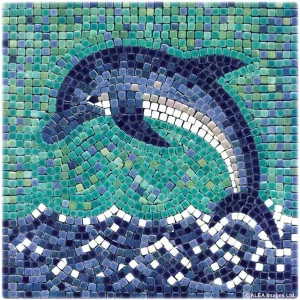
What is Mosaic? Mosaic is an art form that creates pictures or patterns by arranging small pieces of colored materials like tiles, glass, stones, or paper. The small pieces are called “tesserae.”
History of Mosaic:
- Ancient art form dating back thousands of years
- Found in Roman, Greek, and Byzantine cultures
- Used to decorate floors, walls, and ceilings
- Modern artists use mosaic for creative expression and social messages
Materials Used for Mosaic:
- Traditional Materials: Glass tiles, ceramic pieces, stones, marble
- Modern/Accessible Materials:
- Colored paper pieces
- Magazine cutouts
- Bottle caps
- Eggshells (painted)
- Seeds and beans
- Fabric scraps
Tools Needed:
- Scissors (for cutting materials)
- Glue or adhesive
- Base material (cardboard, wood, canvas)
- Pencil (for sketching design)
- Ruler (for measurements)
- Tweezers (for placing small pieces)
Creating Educational Mosaics:
HIV/AIDS Awareness Mosaic:
- Use red pieces to create awareness ribbons
- Include symbols like hands washing, medical cross
- Add text messages about prevention
Anti-Cultism Mosaic:
- Create peaceful symbols (dove, handshake)
- Use bright, positive colors
- Show students in school uniforms studying together
COVID-19 Prevention Mosaic:
- Mask symbols using blue and white pieces
- Handwashing symbols with soap bubbles
- Social distancing figures
Steps to Create Mosaic:
- Plan – Sketch your design on the base
- Prepare Materials – Cut or gather mosaic pieces
- Sort – Organize pieces by color
- Apply – Glue pieces following your design
- Fill – Complete all areas leaving small gaps
- Finish – Clean edges and add final touches
Activities
- Create a readiness test drawing of basic mosaic patterns
- Design a small mosaic about hand hygiene
- Practice cutting and arranging mosaic pieces
- Group project creating awareness mosaics
Multiple Choice Questions
- Mosaic art is made by arranging: a) Large paintings b) Small pieces of colored materials c) Only glass pieces d) Musical instruments
- The small pieces used in mosaic are called: a) Tiles b) Tesserae c) Fragments d) Chips
- Which tool is most important for cutting mosaic materials? a) Hammer b) Scissors c) Spoon d) Ruler
- Red ribbon symbols in mosaic can represent awareness of: a) COVID-19 b) HIV/AIDS c) Cultism d) Education
- The first step in creating mosaic is: a) Applying glue b) Cutting materials c) Planning and sketching d) Arranging pieces
Homework
Create a small mosaic (6×6 inches) using paper pieces that promotes one positive behavior learned in school (like honesty, respect, or hard work). Write three sentences explaining your design and message.
This term's Cultural & Creative Arts topics
Basic 6 Second Term · 9 topics
Get Cultural & Creative Arts (CCA) as PDF and Word
Every week of Basic 6 Cultural & Creative Arts (CCA), Second Term, formatted and ready to print. Ad-free, and the copy lock comes off.
Get this term Card, bank transfer, USSD or OPay
Basic 6 Cultural & Creative Arts (CCA) Lesson Notes for Other Topics
Choral Singing
Read the full lesson note.
Introduction to Play Production
Read the full lesson note.
Forms of Dance
Read the full lesson note.
Care of Tools and Equipment used in Performing Arts and Entertainment
Read the full lesson note.
Play
Read the full lesson note.

Recycling
Read the full lesson note.
Introduction to Still Life Drawing
Read the full lesson note.
Definition of Music
Read the full lesson note.

Introduction to Life Drawing
Read the full lesson note.
Rhythmic Pattern 2
Read the full lesson note.
Theatrical Elements and Personnel
Read the full lesson note.
Forms of Dance
Read the full lesson note.
Imaginative and Creative Drawing
Read the full lesson note.

Choral Singing
Read the full lesson note.
Casting and Rehearsal
Read the full lesson note.
Lesson Notes for Other Classes

Basic 1 Lesson Note
The complete lesson note to guide your studies.

Basic 2 Lesson Note
The complete lesson note to guide your studies.

Basic 3 Lesson Note
The complete lesson note to guide your studies.

Basic 4 Lesson Note
The complete lesson note to guide your studies.

Basic 5 Lesson Note
The complete lesson note to guide your studies.
