
Roles of Peer Group on Child’s Personal Security Basic 5 Security Education Lesson Note
Download Lesson NoteTopic: Roles of Peer Group on Child’s Personal Security
Behavioural Objectives
By the end of the lesson, pupils should be able to:
- Understand the importance of peer group in a child’s life
- Identify the positive and negative impacts of peer group on a child’s personal security
- Understand the role of peer group in promoting healthy behavior and preventing drug use
- Define the word “peer group”
- Highlight the influence of peer group on child’s personal security
Previous Topic
ROLES OF PARENTS ON CHILD’S PERSONAL SECURITY
Entry Behaviour
The pupils can relate on how they interact with their peers and friends.
Instructional Materials
- Wall charts
- Pictures
- Related Online Video
- Flash Cards
Methods of Teaching
- Class Discussion
- Group Discussion
- Asking Questions
- Explanation
- Role Modelling
- Role Delegation
Reference Materials
- Scheme of Work
- Online Information
- Textbooks
- Workbooks
- 9 Year Basic Education Curriculum
Content
MEANING OF PEER GROUP
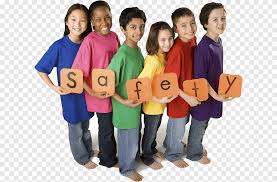
A peer group is a group of people who are around the same age and have similar interests and experiences. For example, a group of fifth graders who play sports together or a group of fifth graders who enjoy reading and playing video games. The people in a peer group often influence each other’s opinions and attitudes. For instance, if one person in the group starts wearing a certain style of clothes, others in the group may start wearing that style too.
ROLES OF PEER GROUP ON CHILD’S PERSONAL SECURITY
1. Socialization
Peer groups play an important role in shaping a child’s social skills and relationships. Children learn how to interact with others, share and cooperate through peer groups.
2. Identity Formation
Peers often influence a child’s sense of identity and self-esteem. Children learn what is socially acceptable and what is not through their peer group.
3. Coping Skills
Peer groups provide a safe place for children to share their challenges and experiences. Children can learn effective coping skills and problem-solving strategies from their peers.
4. Risky Behaviors
Peer groups can also have a negative impact on a child’s personal security. Children are more likely to engage in risky behaviors, such as drug use or criminal activities, if they are part of a peer group that engages in such behaviors.
5. Mental Health
The relationships and interactions within a peer group can affect a child’s mental health. Positive and supportive peer relationships can promote good mental health, while negative or toxic peer relationships can have a negative impact.
6. Resilience
Children who have positive and supportive peer relationships tend to be more resilient and better able to handle challenges and difficulties. Peer groups can provide emotional support, encouragement, and a sense of belonging for children.
7. Social Support
Peer groups provide a sense of belonging and emotional support for children. Children feel comfortable knowing they are part of a group and have friends to rely on.
8. Acceptance
Peer groups provide a sense of acceptance and validation for children. Children feel accepted for who they are and are less likely to feel isolated or rejected.
9. Role Modeling
Children learn about appropriate behavior and attitudes from their peers. Positive peer influence can encourage children to make healthy choices, while negative peer influence can encourage risky behavior.
10. Drug Prevention
Peer groups can play a role in preventing drug use. Children are less likely to engage in drug use if their peers do not engage in such behavior.
11. Information Sharing
Peer groups can serve as a source of information and feedback for children. Children can learn about new experiences, perspectives and skills from their peers.
12. Identity Development
Peer groups can support children as they develop a sense of self. Children can learn about who they are and what they stand for through interactions with their peers.
13. Socialization
Peer groups help children learn how to interact with others, develop social skills, and form relationships. Children can learn about cooperation, communication, and conflict resolution through peer group interactions.
Evaluation
- What is the main purpose of a peer group for children? A. To provide social support B. To encourage bad behavior C. To provide academic support D. To teach about new experiences
- How does a peer group influence a child’s sense of identity? A. By providing acceptance B. By rejecting their individuality C. By influencing a child’s behavior D. By promoting negative behavior
- What impact can a positive peer group have on a child’s mental health? A. A positive impact B. A negative impact of it C. No impact on the individual child D. It can cause mental health issues
- What is an example of a negative impact of a peer group on a child’s personal security? A. Encouraging healthy behavior B. Promoting acceptance C. Encouraging risky behavior like drug use D. Providing academic support for learning conflict resolution skills
- How can peer groups help children develop social skills? A. By encouraging interactions with others B. By isolating them from others C. By promoting negative behavior D. By not playing a role in social development
- How can peer groups support children as they form a sense of self? A. By accepting them for who they are B. By rejecting their individuality C. By promoting a role in personal development D. By encouraging negative behavior
- How can peer groups prevent drug use? A. By encouraging drug use B. By promoting a drug-free environment C. By playing no role in drug prevention D. By promoting negative behavior
- What is an example of a positive impact of a peer group on a child’s personal security? A. Promoting drug use B. Encouraging healthy behavior C. Not playing a role in personal security D. Promoting negative behavior
- How can peer groups serve as a source of information for children? A. By sharing experiences and knowledge B. By withholding information from them C. By promoting negative behavior D. By not playing a role in information sharing
- How can peer groups help children learn about cooperation and conflict resolution? A. By encouraging interaction and relationship building B. By promoting negative behavior C. By not playing a role in cooperation D. By isolating them from others
Second Term Security Education Lesson Notes for Other Topics

Identify Sources of Danger
Explore lesson notes covering all topics.

Security Management
Explore lesson notes covering all topics.

Types of Security Management
Explore lesson notes covering all topics.

Importance of Security Management
Explore lesson notes covering all topics.

Safety and Security Management
Explore lesson notes covering all topics.
Managing Security
Explore lesson notes covering all topics.
Threat to Security
Explore lesson notes covering all topics.
Combating Threats to Security
Explore lesson notes covering all topics.
Identification of Criminal Behavior
Explore lesson notes covering all topics.
Causes of Crime
Explore lesson notes covering all topics.
Categories of Crime
Explore lesson notes covering all topics.
Factors affecting Criminal Behavior
Explore lesson notes covering all topics.
Common Criminal Behavior
Explore lesson notes covering all topics.
Common Criminal Behavior - Examination Malpractice
Explore lesson notes covering all topics.
Preventive Measures of Common Crimes - Primary Prevention
Explore lesson notes covering all topics.
Lesson Notes for Other Classes

Basic 1 Lesson Note
The complete lesson note to guide your studies.

Basic 2 Lesson Note
The complete lesson note to guide your studies.

Basic 3 Lesson Note
The complete lesson note to guide your studies.

Basic 4 Lesson Note
The complete lesson note to guide your studies.

Basic 6 Lesson Note
The complete lesson note to guide your studies.

JSS1 Lesson Note
The complete lesson note to guide your studies.