
Acids and Bases: Soap Making – Basic 5 Basic Science Lesson Note (Third Term)
Download this term · ₦1,000Lesson note at a glance
- Subject
- Basic Science
- Class
- Basic 5
- Term
- Third Term
- Topic
- Acids and Bases: Soap Making
- Order
- Topic 2 of 9 this term
- Reading time
- 2 min
Learning Objectives: By the end of the lesson, pupils should be able to:
- Explain the meaning of soap and detergents
- Mention local materials used for making soap
- Identify active ingredients in local materials used for soap making
- Enumerate the uses of soap
What are Soap and Detergents?
Soap is a cleaning agent made from fats or oils mixed with an alkali (base) like potash or caustic soda. It helps remove dirt and grease from our bodies and clothes.
Detergents are synthetic cleaning agents made from chemicals. They work like soap but are made in factories using artificial ingredients.
Local Materials Used for Making Soap:
- Palm kernel oil – Main oil source
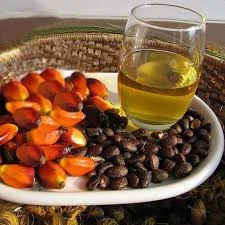
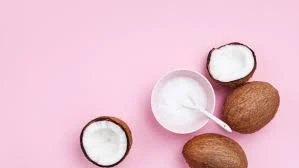
2. Coconut oil – Another oil source
3. Palm oil – Red oil for coloring
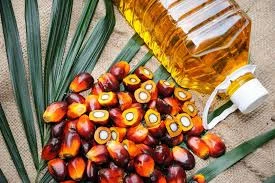 .
4. Plantain peels – Source of potash
5. Cocoa pod husks – Source of potash
6. Banana peels – Source of potash
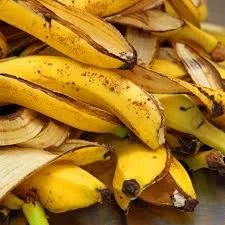
7. Water – For mixing
8. Salt – For hardening the soap
Active Ingredients in Local Materials:
Primary Active Ingredients:
- Oils and Fats (from palm kernel, coconut) – Provide the cleansing base
- Potash (Potassium hydroxide) – The alkali from burnt plantain peels, cocoa husks
- Sodium chloride (from salt) – Helps harden the soap
How to Obtain Potash:
- Burn plantain peels or cocoa pod husks
- Collect the ash
- Soak ash in water
- Filter to get potash solution
Simple Soap Making Process:
- Prepare potash – Burn plantain peels, collect ash, soak in water, filter
- Heat the oil – Warm palm kernel oil gently
- Mix carefully – Slowly add potash solution to heated oil while stirring
- Add salt – Mix in salt to help soap harden
- Pour into molds – Let it cool and harden
- Cut and dry – Cut into bars and let dry for several days
Uses of Soap:
- Personal hygiene – Washing hands, bathing, brushing teeth
- Laundry – Washing clothes and fabrics
- Household cleaning – Cleaning dishes, floors, surfaces
- Medical purposes – Antiseptic soaps for wound cleaning
- Industrial uses – In textile and leather industries
- Pest control – Some soaps repel insects
Assessment questions
LESSON 1: ACIDS AND BASES – SOAP MAKING (Multiple Choice Questions)
- Soap is made by mixing oils with: a) Water only b) Salt only c) An alkali like potash d) Sugar
- Which local material is commonly used to make potash? a) Rice husks b) Plantain peels c) Corn leaves d) Orange peels
- The main active ingredient from burnt plantain peels is: a) Sodium chloride b) Potassium hydroxide (potash) c) Calcium carbonate d) Magnesium sulfate
- Palm kernel oil in soap making provides: a) The cleansing base b) Color only c) Hardening agent d) Fragrance
- Which is NOT a use of soap? a) Personal hygiene b) Washing clothes c) Cleaning dishes d) Making food taste better
This term's Basic Science topics
Basic 5 Third Term · 9 topics
Get Basic Science as PDF and Word
Every week of Basic 5 Basic Science, Third Term, formatted and ready to print. Ad-free, and the copy lock comes off.
Get this term Card, bank transfer, USSD or OPay
Basic 5 Basic Science Lesson Notes for Other Topics

Acid And Bases
Read the full lesson note.
Basic Electricity
Read the full lesson note.
Conductors And Non-Conductors
Read the full lesson note.
Magnetism
Read the full lesson note.

Basic Motor Parts (Internal)
Read the full lesson note.

Body Image And Self Esteem
Read the full lesson note.
Excretory System
Read the full lesson note.
Rocks
Read the full lesson note.
Environmental Quality
Read the full lesson note.
Changes Around Us (Erosion)
Read the full lesson note.
Control Of Erosion
Read the full lesson note.

Waste And Waste Disposal
Read the full lesson note.

Land And Noise Pollution
Read the full lesson note.

Environmental Changes (Water And Air)
Read the full lesson note.
Environmental Quality II - Maintaining Healthy Environment
Read the full lesson note.
Lesson Notes for Other Classes

Basic 1 Lesson Note
The complete lesson note to guide your studies.

Basic 2 Lesson Note
The complete lesson note to guide your studies.

Basic 3 Lesson Note
The complete lesson note to guide your studies.

Basic 4 Lesson Note
The complete lesson note to guide your studies.

Basic 6 Lesson Note
The complete lesson note to guide your studies.
