
Changes Around Us (Erosion) Basic 5 Basic Science Lesson Note
Download Lesson NoteTopic: Changes Around Us (Erosion)
Behavioural Objectives:
By the end of the lesson, pupils should be able to:
- Discuss the effects of erosion on the environment
- Describe how to prevent and control erosion
- Identify ways erosion affects them individually
- Propose solutions to prevent and control erosion in their environment
Keywords:
- Erosion
- Environmental Impact
- Prevention
- Control
Set Induction:
The teacher will start by asking pupils if they have noticed any changes in the environment around them, such as soil being washed away after a heavy rain.
Entry Behaviour:
Pupils have observed soil or sand being moved by wind or water in their environment.
Learning Resources and Materials:
- Pictures or charts showing erosion sites and their effects
- Whiteboard and markers
- Flashcards with erosion-related terms
Building Background/Connection to Prior Knowledge:
The teacher will connect the lesson to the pupils’ understanding of erosion from the previous lesson, focusing on the damage it causes to the environment.
Embedded Core Skills:
- Critical thinking
- Problem-solving
- Collaboration
Learning Materials:
- Textbooks (Lagos State Scheme of Work)
- Notebooks
- Writing materials
Reference Books:
- Lagos State Scheme of Work
- Basic Science Textbook for Primary 5
Instructional Materials:
- Printed images or charts of erosion effects
- Flashcards
- Group discussion worksheets
Content:
1. Effects of Erosion on the Environment:
Loss of Topsoil: Erosion removes the top layer of soil, which is rich in nutrients and essential for plant growth.
Damage to Farmlands: Erosion can wash away the fertile soil, making it difficult to grow crops.
Formation of Gullies: Severe erosion can create deep ditches or gullies, making land unusable for farming or building.
Increased Risk of Flooding: Erosion can lead to the loss of vegetation, which increases the risk of flooding as water flows unimpeded.
Sedimentation of Water Bodies: Eroded soil can be carried into rivers and lakes, leading to sedimentation that affects water quality and aquatic life.
2. Control of Erosion:
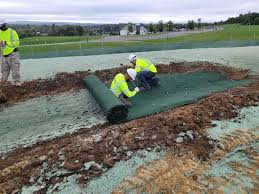
Planting Vegetation: Growing grass, trees, and shrubs helps hold the soil together and reduces erosion.
Building Terraces: Terracing on slopes helps slow down water flow and prevents soil from being washed away.
Using Retaining Walls: Building walls on slopes can prevent soil from moving downhill.
Cover Crops: Planting crops that cover the soil, like legumes, can protect it from wind and water erosion.
Proper Drainage Systems: Ensuring that water is drained properly can prevent the buildup that leads to erosion.
First Term Basic Science Lesson Notes for Other Topics

Measurement Of Length
Explore lesson notes covering all topics.

Measurement Of Mass
Explore lesson notes covering all topics.

Measurement Of Time
Explore lesson notes covering all topics.
Forms Of Energy - Light Energy
Explore lesson notes covering all topics.

Mirror - Image Formation
Explore lesson notes covering all topics.

Forms Of Technology I - Underdeveloped Technology, Software Application.
Explore lesson notes covering all topics.
Forms Of Technology II - Developed Technology
Explore lesson notes covering all topics.

Forms Of Technology III - General Uses Of Technology
Explore lesson notes covering all topics.

Features Of System Unit
Explore lesson notes covering all topics.

Features of CPU
Explore lesson notes covering all topics.

Sandy Soil
Explore lesson notes covering all topics.

The Senses - Touch
Explore lesson notes covering all topics.

The Senses - Taste
Explore lesson notes covering all topics.

The Senses - Smell
Explore lesson notes covering all topics.

The Senses - Hearing
Explore lesson notes covering all topics.
Lesson Notes for Other Classes
Basic 1 Lesson Note
The complete lesson note to guide your studies.
Basic 2 Lesson Note
The complete lesson note to guide your studies.

Basic 3 Lesson Note
The complete lesson note to guide your studies.

Basic 4 Lesson Note
The complete lesson note to guide your studies.

Basic 6 Lesson Note
The complete lesson note to guide your studies.

JSS1 Lesson Note
The complete lesson note to guide your studies.