
Method of Cooking: Boiling Method – Basic 4 Home Economics Lesson Note (Second Term)
Download Lesson NoteLesson note at a glance
- Subject
- Home Economics
- Class
- Basic 4
- Term
- Second Term
- Topic
- Method of Cooking: Boiling Method
- Order
- Topic 2 of 9 this term
- Reading time
- 5 min
What is Boiling?
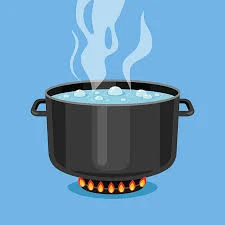
Boiling is a method of cooking food in hot water that has reached its boiling point (100°C or 212°F). The water bubbles vigorously when it boils.
How Boiling Works
When water is heated, it gets hotter and hotter until it starts to bubble and turn into steam. This very hot, bubbling water cooks the food.
Equipment Needed for Boiling
Basic Equipment:
- Cooking pot with lid
- Water (enough to cover food)
- Heat source (stove, fire, gas cooker)
- Wooden spoon for stirring
- Slotted spoon for removing food
Safety Equipment:
- Pot holders to protect hands from hot pots
- Long-handled spoons to keep hands away from steam
- Timer to avoid overcooking
Steps in Boiling Method
Step 1: Prepare the Food
- Wash food thoroughly if needed
- Cut into pieces if required (vegetables, meat)
- Remove any bad parts from food
- Measure amounts needed
Step 2: Prepare Water
- Fill pot with enough water to cover food
- Add salt if cooking vegetables or pasta
- Cover pot to heat water faster
- Place on heat source
Step 3: Bring Water to Boil
- Heat water until it bubbles vigorously
- You will see: Lots of bubbles rising to surface
- You will hear: Bubbling sound
- Steam rises from the pot
Step 4: Add Food
- Carefully add food to boiling water
- Lower heat slightly to maintain gentle boiling
- Cover pot if recipe requires
- Set timer for cooking time
Step 5: Cook and Monitor
- Check food occasionally by stirring gently
- Test for doneness by piercing with fork
- Add more water if needed
- Adjust heat to maintain steady boiling
Step 6: Remove and Serve
- Turn off heat when food is done
- Drain water carefully using colander
- Season food if needed
- Serve while hot
Foods That Can Be Boiled
Vegetables:
- Root vegetables: Yam, cassava, sweet potato, Irish potato
- Leafy vegetables: Spinach, water leaf, bitter leaf
- Other vegetables: Carrots, green beans, corn on the cob
- Cooking time: 10-30 minutes depending on vegetable
Grains and Cereals:
- Rice: 15-20 minutes
- Pasta: 8-12 minutes
- Wheat: 30-45 minutes
- Oats: 5-10 minutes
Proteins:
- Eggs: 3-10 minutes (soft to hard-boiled)
- Fish: 10-15 minutes
- Chicken: 30-45 minutes
- Beef: 1-2 hours for tender meat
Legumes:
- Fresh beans: 15-20 minutes
- Dried beans: 1-2 hours (after soaking)
- Lentils: 15-25 minutes
- Groundnuts: 20-30 minutes
Types of Boiling
- Rapid Boiling
- High heat with vigorous bubbling
- Good for: Pasta, corn, potatoes
- Cooks food quickly
- Uses more energy
- Gentle Boiling (Simmering)
- Medium heat with gentle bubbles
- Good for: Meat, fish, delicate vegetables
- Prevents food from breaking apart
- Uses less energy
- Slow Boiling
- Low heat with occasional bubbles
- Good for: Tough cuts of meat, dried beans
- Makes food very tender
- Takes longer time
Advantages of Boiling
- Health Benefits
- No added fat needed
- Retains most nutrients if done properly
- Kills harmful bacteria and germs
- Easy to digest boiled foods
- Simple Method
- Easy to learn and do
- Needs basic equipment only
- Hard to burn food compared to frying
- Good for beginners
- Versatile
- Many foods can be boiled
- Can cook large quantities at once
- Base for other dishes (soups, stews)
- Suitable for different ages
- Economical
- Uses only water and heat
- No expensive oils needed
- Can reuse cooking water for soups
- Energy efficient when done properly
Disadvantages of Boiling
- Nutrient Loss
- Some vitamins dissolve in cooking water
- Minerals may be lost if water is thrown away
- Color may fade in some vegetables
- Flavor may become bland
- Texture Changes
- May make food soft or mushy
- Can overcook easily if not watched
- Some foods may break apart
- Not suitable for crispy textures
- Time Consuming
- Takes time to heat water
- Some foods need long cooking time
- Requires attention to prevent overcooking
Tips for Better Boiling
Saving Nutrients:
- Use minimal water just to cover food
- Cook for shortest time needed
- Save cooking water for soups when possible
- Add vegetables to already boiling water
Better Flavor:
- Add salt to water for vegetables
- Use broth instead of plain water
- Add herbs or spices to cooking water
- Don’t overcook to preserve natural taste
Safety Tips:
- Adult supervision always needed
- Handle hot water carefully
- Use pot holders for hot pots
- Keep pot handles turned inward
- Never leave boiling pot unattended
Perfect Results:
- Test doneness with fork or knife
- Drain immediately when done
- Serve promptly while hot
- Season after cooking if needed
Common Mistakes to Avoid
- Overcooking
- Makes food mushy and unappetizing
- Loses more nutrients
- Prevention: Set timer, test frequently
- Using Too Much Water
- Dilutes flavor
- Wastes nutrients
- Prevention: Use just enough to cover
- Adding Food Too Early
- Water not hot enough
- Uneven cooking
- Prevention: Wait for vigorous boiling
- Not Seasoning
- Food tastes bland
- Prevention: Add salt to water, season after cooking
EXERCISES
Exercise 1: Fill in the Blanks
- Boiling is cooking food in hot ________ that bubbles vigorously
- Water boils at ________ degrees Celsius
- We need a cooking ________ and water for boiling
- Boiled food is easy to ________ and healthy
Exercise 2: True or False
- Boiling water makes lots of bubbles ____
- You can boil food without water ____
- Boiling kills harmful bacteria ____
- All foods take the same time to boil ____
Exercise 3: Match Equipment with Use
Draw lines to connect each equipment with its use:
- Cooking pot → Removing cooked food
- Slotted spoon → Holding hot water and food
- Timer → Protecting hands from heat
- Pot holders → Checking cooking time
Exercise 4: Boiling Steps
Number these steps in the correct order (1-6): ___ Add food to boiling water ___ Remove and serve food ___ Prepare the food ___ Bring water to boil ___ Cook and monitor ___ Prepare water in pot
Exercise 5: Choose the Right Answer
Circle the correct answer:
- Water is boiling when it: Is warm / Bubbles vigorously
- Best for delicate food: Rapid boiling / Gentle boiling
- Boiling is good because: No fat needed / Adds lots of oil
- To save nutrients: Use lots of water / Use minimal water
Exercise 6: Foods and Cooking Times
Match the food with approximate boiling time:
- Eggs → 15-20 minutes
- Rice → 3-10 minutes
- Pasta → 30-45 minutes
- Chicken → 8-12 minutes
This term's Home Economics topics
Basic 4 Second Term · 9 topics
- Classes of Food, Nutrient and Nutrition
- Method of Cooking: Boiling Method
- Method of Cooking: Roasting Method
- Personal Grooming and Use of Basic Cosmetics
- Personal Clothing-Types and Care of Personal Clothing
- Reasons for Wearing Clothes
- How to Prepare Liquid Soap
- Uses and Care for Simple Tools
- Stitches and Types of Stitches
Second Term Home Economics Lesson Notes for Other Topics

Kitchen Hygiene
Read the full lesson note.
First Aid Box
Read the full lesson note.
Kitchen: Definition and Types
Read the full lesson note.
Types of Home Cleaning II
Read the full lesson note.
Types of Home Cleaning I
Read the full lesson note.
Home Hygiene
Read the full lesson note.
Clothing Construction Continued. (Production of Seam Album)
Read the full lesson note.
Clothing Construction Continued. (Production of Seam Album)
Read the full lesson note.
Review of First Term Scheme of Work
Read the full lesson note.
Sewing Processes (Production Of An Article)
Read the full lesson note.
Basic Stitches (Decorative/ Embroidery Stitches)
Read the full lesson note.
Care Of Cooking Tools And Equipment
Read the full lesson note.
Cleaning Cooking Tools And Equipment
Read the full lesson note.

Basic Sitches (Permanent Stitches)
Read the full lesson note.
Cleaning Agents For Cooking Tools And Equipment
Read the full lesson note.
Lesson Notes for Other Classes

Basic 1 Lesson Note
The complete lesson note to guide your studies.

Basic 2 Lesson Note
The complete lesson note to guide your studies.

Basic 3 Lesson Note
The complete lesson note to guide your studies.

Basic 5 Lesson Note
The complete lesson note to guide your studies.
Basic 6 Lesson Note
The complete lesson note to guide your studies.

JSS1 Lesson Note
The complete lesson note to guide your studies.

