
Classes of Food, Nutrient and Nutrition – Basic 4 Home Economics Lesson Note (Second Term)
Download Lesson NoteLesson note at a glance
- Subject
- Home Economics
- Class
- Basic 4
- Term
- Second Term
- Topic
- Classes of Food, Nutrient and Nutrition
- Order
- Topic 1 of 9 this term
- Reading time
- 5 min
What is Nutrition?
Nutrition is the process of taking in food and using it for growth, health, and energy in our body.
What are Nutrients?
Nutrients are the useful substances in food that our body needs to grow, stay healthy, and work properly.
What are Classes of Food?
Classes of food are groups of foods that provide similar nutrients and serve similar purposes in our body.
The 3 Main Classes of Food
- Energy-Giving Foods (GO FOODS)
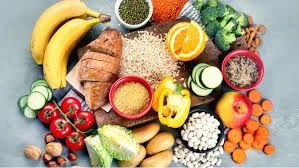
Foods that provide energy for our daily activities
Main Nutrient: Carbohydrates and Fats
- Carbohydrates: Body’s main source of energy
- Fats: Concentrated source of energy
Functions:
- Provide energy for running, playing, walking
- Fuel for brain to think and learn
- Power for body organs like heart and lungs
- Keep body warm especially fats
Food Sources:
Carbohydrate Foods:
- Grains: Rice, bread, wheat, oats, millet
- Root crops: Yam, cassava, sweet potato, Irish potato
- Fruits: Bananas, plantains, dates
- Sugary foods: Honey, sugar
Fat Foods:
- Oils: Palm oil, groundnut oil, coconut oil
- Nuts: Groundnuts, cashews, walnuts
- Animal fats: Butter, meat fat
- Others: Avocado, coconut
Signs You Need Energy Foods:
- Feeling tired and weak
- Cannot concentrate in school
- No energy to play
- Feeling hungry often
- Body-Building Foods (GROW FOODS)
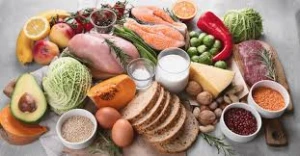
Foods that help us grow and build strong muscles
Main Nutrient: Proteins
- Complete proteins: From animals (have all essential parts)
- Incomplete proteins: From plants (missing some parts)
Functions:
- Build muscles and make us strong
- Help children grow taller and bigger
- Repair body parts when injured
- Make antibodies to fight diseases
- Build blood, bones, and organs
Food Sources:
Animal Proteins:
- Meat: Beef, goat meat, chicken, turkey
- Fish: Fresh fish, dried fish, canned fish
- Dairy: Milk, cheese, yogurt
- Eggs: Chicken eggs, duck eggs
Plant Proteins:
- Legumes: Beans, cowpeas, soybeans, lentils
- Nuts: Groundnuts, cashews, walnuts
- Seeds: Melon seeds, pumpkin seeds
Signs You Need Protein Foods:
- Slow growth in children
- Weak muscles
- Getting sick often
- Wounds heal slowly
- Thin, weak hair
- Protective Foods (GLOW FOODS)
Foods that protect us from diseases and keep us healthy
Main Nutrients: Vitamins and Minerals
- Vitamins: Help body work properly
- Minerals: Build strong bones and healthy blood
Functions:
- Boost immune system to fight diseases
- Keep skin, eyes, and hair healthy
- Help wounds heal quickly
- Make bones and teeth strong
- Help other nutrients work properly
Food Sources:
Vitamin-Rich Foods:
- Fruits: Oranges, mangoes, guavas, tomatoes, pawpaw
- Vegetables: Spinach, carrots, pepper, green leafy vegetables
- Others: Liver, eggs, milk
Mineral-Rich Foods:
- Calcium foods: Milk, cheese, fish with bones, leafy vegetables
- Iron foods: Meat, liver, beans, spinach, garden egg leaves
- Other minerals: Various fruits and vegetables
Signs You Need Protective Foods:
- Getting sick often
- Slow healing wounds
- Poor eyesight (especially at night)
- Weak bones and teeth
- Pale skin and lips
Important Nutrients and Their Functions
- Carbohydrates
- Function: Main source of energy
- Sources: Rice, yam, bread, cassava, sugar
- Daily need: Should be largest part of meals
- Proteins
- Function: Building and repairing body
- Sources: Meat, fish, beans, eggs, milk
- Daily need: Include in every meal
- Fats and Oils
- Function: Concentrated energy, insulation
- Sources: Palm oil, nuts, butter, avocado
- Daily need: Small amounts needed
- Vitamins
- Vitamin A: Good eyesight, healthy skin
- Vitamin C: Fight diseases, heal wounds
- Vitamin D: Strong bones and teeth
- B Vitamins: Energy production, healthy nerves
- Minerals
- Calcium: Strong bones and teeth
- Iron: Healthy blood, prevent anemia
- Iodine: Proper growth and brain development
- Water
- Function: Transport nutrients, remove waste, cool body
- Sources: Plain water, fruits, vegetables
- Daily need: 6-8 glasses for children
Balanced Diet
What is a Balanced Diet?
A balanced diet contains foods from all three classes in the right amounts to keep us healthy.
Components of Balanced Diet:
- Energy foods: 50-60% of daily food
- Body-building foods: 15-20% of daily food
- Protective foods: 20-25% of daily food
- Water: Plenty throughout the day
Nigerian Balanced Meal Examples:
Breakfast:
- Energy: Bread or pap
- Protein: Egg or milk
- Protective: Orange or tomato
Lunch:
- Energy: Rice or yam
- Protein: Fish or meat or beans
- Protective: Vegetable soup or salad
Dinner:
- Energy: Cassava or plantain
- Protein: Chicken or beans
- Protective: Spinach or pepper soup
Signs of Good Nutrition
Physical Signs:
- Healthy appearance: Bright eyes, clear skin, shiny hair
- Normal growth: Growing at expected rate for age
- Good energy: Active and alert throughout day
- Strong immunity: Don’t get sick often
- Healthy weight: Not too thin or too fat
Mental Signs:
- Good concentration: Can focus in school
- Happy mood: Generally cheerful and positive
- Good memory: Remember things well
- Alert mind: Think clearly and learn easily
Problems of Poor Nutrition
Malnutrition:
Not getting enough nutrients or wrong balance of nutrients
Common Problems:
- Kwashiorkor: Not enough protein (swollen belly, thin hair)
- Marasmus: Not enough food overall (very thin)
- Anemia: Not enough iron (tiredness, pale skin)
- Night blindness: Not enough Vitamin A
- Rickets: Not enough Vitamin D and calcium (bent bones)
Prevention:
- Eat variety of foods from all classes
- Regular meals at proper times
- Clean, safe food preparation
- Adequate amounts according to age and activity
EXERCISES
Exercise 1: Fill in the Blanks
- ________ is the process of taking in food for growth and health
- The three main classes of food are energy-giving, body-building, and ________
- ________ foods help us grow and build strong muscles
- A ________ diet contains foods from all three classes
Exercise 2: True or False
- Energy-giving foods provide power for daily activities ____
- Proteins are only found in animal foods ____
- Protective foods help fight diseases ____
- We only need nutrients from one class of food ____
Exercise 3: Match Food Class with Function
Draw lines to connect each class with its main function:
- Energy-giving foods → Help us grow and build muscles
- Body-building foods → Protect us from diseases
- Protective foods → Give us energy for activities
Exercise 4: Food Classification
Write “E” for Energy-giving, “B” for Body-building, or “P” for Protective:
- Rice ____
- Fish ____
- Oranges ____
- Yam ____
- Beans ____
- Carrots ____
Exercise 5: Choose the Right Answer
Circle the correct answer:
- Main nutrient in energy foods: Proteins / Carbohydrates
- Proteins help with: Giving energy / Building muscles
- Vitamins are found in: Only fruits / Fruits and vegetables
- Water should be: 6-8 glasses daily / 1-2 glasses daily
This term's Home Economics topics
Basic 4 Second Term · 9 topics
- Classes of Food, Nutrient and Nutrition
- Method of Cooking: Boiling Method
- Method of Cooking: Roasting Method
- Personal Grooming and Use of Basic Cosmetics
- Personal Clothing-Types and Care of Personal Clothing
- Reasons for Wearing Clothes
- How to Prepare Liquid Soap
- Uses and Care for Simple Tools
- Stitches and Types of Stitches
Second Term Home Economics Lesson Notes for Other Topics

Kitchen Hygiene
Read the full lesson note.
First Aid Box
Read the full lesson note.
Kitchen: Definition and Types
Read the full lesson note.
Types of Home Cleaning II
Read the full lesson note.
Types of Home Cleaning I
Read the full lesson note.
Home Hygiene
Read the full lesson note.
Clothing Construction Continued. (Production of Seam Album)
Read the full lesson note.
Clothing Construction Continued. (Production of Seam Album)
Read the full lesson note.
Review of First Term Scheme of Work
Read the full lesson note.
Sewing Processes (Production Of An Article)
Read the full lesson note.
Basic Stitches (Decorative/ Embroidery Stitches)
Read the full lesson note.
Care Of Cooking Tools And Equipment
Read the full lesson note.
Cleaning Cooking Tools And Equipment
Read the full lesson note.

Basic Sitches (Permanent Stitches)
Read the full lesson note.
Cleaning Agents For Cooking Tools And Equipment
Read the full lesson note.
Lesson Notes for Other Classes

Basic 1 Lesson Note
The complete lesson note to guide your studies.

Basic 2 Lesson Note
The complete lesson note to guide your studies.

Basic 3 Lesson Note
The complete lesson note to guide your studies.

Basic 5 Lesson Note
The complete lesson note to guide your studies.
Basic 6 Lesson Note
The complete lesson note to guide your studies.

JSS1 Lesson Note
The complete lesson note to guide your studies.

