Measurement, Food/Nutrition, Use of Coding – Basic 4 Basic Science Lesson Note (Second Term)
Download Lesson NoteLesson note at a glance
- Subject
- Basic Science
- Class
- Basic 4
- Term
- Second Term
- Topic
- Measurement, Food/Nutrition, Use of Coding
- Order
- Topic 8 of 9 this term
- Reading time
- 9 min
Topic: measurement (measuring solids and time)
LEARNING AREA
- Materials for Measuring Solids and Time
- Metric Units for Measuring Solids and Time
- How to Measure Solids and Time
PERFORMANCE OBJECTIVES
By the end of this lesson, pupils should be able to:
- Name tools for measuring solids and time.
- Know metric units for solids and time.
- Measure solids and time correctly.
TEACHING AND LEARNING MATERIALS
- Ruler, scale, clock, watch
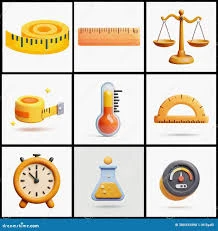
- Different solid objects
- Measuring cups for solids

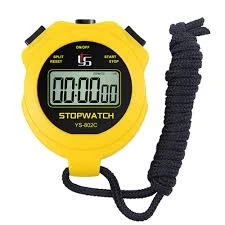
- Timer, stopwatch
TEACHING AND LEARNING METHOD
- Simple demonstration
- Hands-on practice
REFERENCE MATERIALS
- Primary Mathematics Textbook
ENTRY BEHAVIOUR/ PREVIOUS LESSON
Students can count and understand basic numbers.
WORD FILE
Measure, solids, time, ruler, scale, clock, grams, seconds.
CONTENT
LESSON 1 – MATERIALS FOR MEASURING SOLIDS AND TIME
TOOLS FOR MEASURING SOLIDS:
RULER:
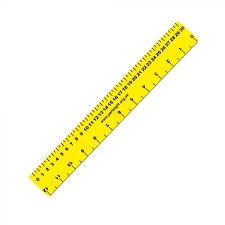
- Measures length and height
- Shows centimeters (cm)
- Use for pencils, books, desks
MEASURING TAPE:
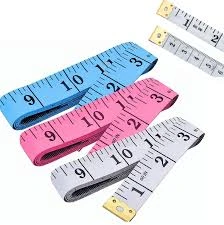
- Measures longer things
- Flexible and bendable
- Use for rooms, people’s height
SCALE/BALANCE:
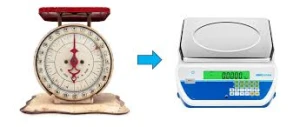
- Measures weight
- Shows how heavy things are
- Use for food, books, bags
TOOLS FOR MEASURING TIME:
CLOCK:

- Shows hours and minutes
- Has two hands (short and long)
- Tells us what time it is
WATCH:
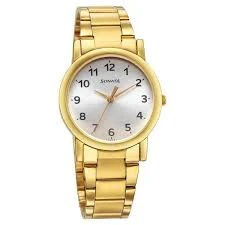
- Small clock we wear
- Shows time on our wrist
- Easy to carry everywhere
STOPWATCH:
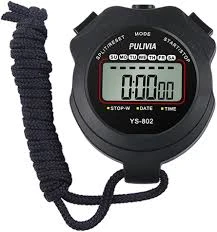
- Measures exact time
- Counts seconds and minutes
- Used for races and games
LESSON 2 – METRIC UNITS FOR SOLIDS AND TIME
UNITS FOR MEASURING SOLIDS:
LENGTH:
- Centimeters (cm) – for small things
- Meters (m) – for bigger things
- Millimeters (mm) – for very small things
Examples:
- Pencil = 15 cm
- Desk = 1 meter
- Coin thickness = 2 mm
WEIGHT:
- Grams (g) – for light things
- Kilograms (kg) – for heavy things
Examples:
- Apple = 100 grams
- School bag = 2 kilograms
UNITS FOR MEASURING TIME:
TIME UNITS:
- Seconds – very short time
- Minutes – 60 seconds
- Hours – 60 minutes
- Days – 24 hours
Examples:
- Clap hands = 1 second
- Brush teeth = 2 minutes
- School day = 6 hours
LESSON 3 – HOW TO MEASURE SOLIDS AND TIME
MEASURING SOLIDS:
MEASURING LENGTH:
- Place ruler at start of object
- Read number at the end
- Write answer with “cm”
- Example: Pencil is 15 cm
MEASURING WEIGHT:
- Put object on scale
- Read the number shown
- Write answer with “g” or “kg”
- Example: Apple is 100 g
MEASURING TIME:
READING CLOCKS:
- Short hand shows hours
- Long hand shows minutes
- Read both hands together
- Example: 3 o’clock, 2:30
USING STOPWATCH:
- Press start to begin
- Press stop to end
- Read the time shown
- Example: Race took 45 seconds
PRACTICE ACTIVITIES:
- Measure desk with ruler
- Weigh school bag
- Time how long to write name
- Read clock in classroom
PRESENTATION
- Teacher shows ruler and measures pencil
- Teacher demonstrates weighing objects on scale
- Teacher shows clock and reads time
- Teacher times simple activities with stopwatch
STUDENT ACTIVITIES
Students practice:
- Measuring objects with ruler
- Reading time on classroom clock
- Using simple timing activities
- Identifying measuring tools
EVALUATIVE ACTIVITIES
- Name two tools for measuring solids
- Measure length of book with ruler
- Read time on clock
- Know units: cm, g, seconds
WORKBOOK
WEEKLY ASSESSMENT (TEST)
- We use a _______ to measure length. A. Clock B. Ruler
- _______ measures how heavy things are. A. Scale B. Watch
- Time is measured in seconds, minutes, and _______. A. Grams B. Hours
- _______ is the unit for measuring weight. A. Grams B. Seconds
- A _______ shows what time it is. A. Ruler B. Clock
Topic: food/nutrition
LEARNING AREA
- Meaning of Nutrition
- Importance of Nutrition
- Nutritional Deficiency Diseases
PERFORMANCE OBJECTIVES
By the end of this lesson, pupils should be able to:
- Know what nutrition means.
- Understand why good nutrition is important.
- Know about diseases caused by poor nutrition.
TEACHING AND LEARNING MATERIALS
- Pictures of healthy and unhealthy children
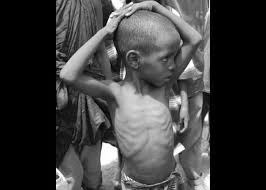
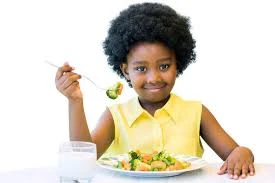
- Food samples
- Charts showing nutrition diseases
TEACHING AND LEARNING METHOD
- Simple explanation
- Picture demonstration
REFERENCE MATERIALS
- Primary Health Education Textbook
ENTRY BEHAVIOUR/ PREVIOUS LESSON
Students know different types of food.
WORD FILE
Nutrition, healthy, food, disease, vitamins, protein.
CONTENT
LESSON 1 – MEANING OF NUTRITION
WHAT IS NUTRITION?
Nutrition means eating the right foods to keep our body healthy and strong.
GOOD NUTRITION MEANS:
- Eating different types of food
- Getting vitamins and minerals
- Having enough protein
- Drinking clean water
- Not eating too much junk food
FOODS FOR GOOD NUTRITION:
- Fruits – oranges, apples, bananas
- Vegetables – carrots, spinach, tomatoes
- Protein foods – meat, fish, beans, eggs
- Grains – rice, bread, yam
- Dairy – milk, cheese
LESSON 2 – IMPORTANCE OF NUTRITION
WHY GOOD NUTRITION IS IMPORTANT:
FOR GROWTH:
- Helps children grow tall
- Makes bones strong
- Builds muscles
- Helps brain develop
FOR HEALTH:
- Keeps us from getting sick
- Gives us energy to play
- Helps cuts heal quickly
- Makes us feel happy
FOR LEARNING:
- Helps us think clearly
- Gives energy for school
- Improves memory
- Helps us concentrate
SIGNS OF GOOD NUTRITION:
- Bright, clear eyes
- Healthy skin
- Strong teeth
- Good energy
- Happy mood
LESSON 3 – NUTRITIONAL DEFICIENCY DISEASES
WHAT ARE DEFICIENCY DISEASES?
Diseases that happen when we don’t eat enough good food or miss important nutrients.
KWASHIORKOR:
WHAT IT IS:
- Disease from not eating enough protein
- Makes stomach big and swollen
- Hair becomes thin and changes color
- Skin gets sores and patches
WHAT CAUSES IT:
- Not eating meat, fish, beans, or eggs
- Eating only starchy foods
- Not having balanced meals
HOW TO PREVENT:
- Eat protein foods daily
- Include beans, meat, or fish in meals
- Drink milk if available
RICKETS:
WHAT IT IS:
- Disease that makes bones soft and weak
- Legs become bent or curved
- Children don’t grow properly
- Teeth problems
WHAT CAUSES IT:
- Not enough Vitamin D
- Not enough calcium
- Not getting enough sunlight
- Poor diet
HOW TO PREVENT:
- Drink milk and eat dairy foods
- Play in sunlight (but not too much)
- Eat fish and eggs
- Take vitamin supplements if doctor says
PELLAGRA:
WHAT IT IS:
- Disease from lack of Vitamin B
- Causes skin problems
- Makes people tired and weak
- Can cause mental problems
WHAT CAUSES IT:
- Not eating enough varied foods
- Too much of same food (like only corn)
- Not enough vitamins in diet
HOW TO PREVENT:
- Eat variety of foods
- Include meat, vegetables, fruits
- Don’t eat only one type of food
- Eat fresh foods when possible
HOW TO STAY HEALTHY:
- Eat different types of food every day
- Don’t skip meals
- Drink clean water
- Exercise and play
- Get enough sleep
- Visit doctor when sick
PRESENTATION
- Teacher shows pictures of healthy and unhealthy children
- Teacher explains what good nutrition means
- Teacher shows food samples for good nutrition
- Teacher describes deficiency diseases with pictures
- Teacher explains how to prevent these diseases
STUDENT ACTIVITIES
Students:
- Identify healthy foods
- Name signs of good nutrition
- Discuss foods they eat at home
- Learn about preventing diseases
EVALUATIVE ACTIVITIES
- Explain what nutrition means
- Name three foods for good nutrition
- Identify one deficiency disease
- Know how to prevent malnutrition
WORKBOOK
WEEKLY ASSESSMENT (TEST)
- Nutrition means eating _______ foods to stay healthy. A. Any B. Right
- _______ makes the stomach big and swollen. A. Kwashiorkor B. Happiness
- Rickets makes bones _______ and weak. A. Strong B. Soft
- To prevent deficiency diseases, eat _______ types of food. A. One B. Different
- Good nutrition helps children _______ properly. A. Sleep B. Grow
Topic: use of coding
LEARNING AREA
- What Coding is Used For
- Coding in Games and Apps
- Coding in Daily Life
PERFORMANCE OBJECTIVES
By the end of this lesson, pupils should be able to:
- Know what coding is used for.
- Give examples of coding in games and apps.
- Understand how coding helps in daily life.
TEACHING AND LEARNING MATERIALS
- Smartphone/tablet
- Computer
- Pictures of apps and games
- Examples of technology around us
TEACHING AND LEARNING METHOD
- Simple explanation
- Show and tell
- Real examples
REFERENCE MATERIALS
- Primary Computer Studies Textbook
ENTRY BEHAVIOUR/ PREVIOUS LESSON
Students know what coding means.
WORD FILE
Coding, apps, games, websites, technology, useful.
CONTENT
LESSON 1 – WHAT CODING IS USED FOR
CODING CREATES MANY THINGS:
GAMES:
- Mobile games – Candy Crush, Angry Birds
- Computer games – Minecraft, educational games
- Console games – PlayStation, Xbox games
- Online games – games on websites
APPS:
- Social apps – WhatsApp, Instagram
- Learning apps – educational games
- Utility apps – calculator, camera
- Entertainment apps – YouTube, music players
WEBSITES:
- Search engines – Google, Bing
- Social media – Facebook, Twitter
- Shopping sites – online stores
- Educational sites – learning websites
EVERYDAY TECHNOLOGY:
- Smart TVs – streaming services
- ATM machines – banking
- Traffic lights – controlling traffic
- Elevators – moving between floors
LESSON 2 – CODING IN GAMES AND APPS
HOW CODING MAKES GAMES WORK:
GAME FEATURES MADE WITH CODING:
- Characters – how they move and jump
- Levels – different stages to play
- Scoring – keeping track of points
- Sound effects – music and sounds
- Graphics – colors and animations
APP FEATURES MADE WITH CODING:
- Buttons – what happens when you tap
- Menus – lists of choices
- Camera function – taking pictures
- Messaging – sending texts
- Maps – showing directions
EXAMPLES KIDS KNOW:
- Camera app – coding makes it take photos
- Calculator – coding does the math
- Games – coding creates characters and rules
- YouTube – coding plays videos
LESSON 3 – CODING IN DAILY LIFE
HOW CODING HELPS US EVERY DAY:
AT HOME:
- Smart TV – choosing shows to watch
- Microwave – setting cooking time
- Washing machine – different washing cycles
- Air conditioner – controlling temperature
AT SCHOOL:
- Interactive whiteboards – educational displays
- Computer labs – learning software
- School websites – information and assignments
- Educational apps – fun learning games
IN TRANSPORTATION:
- Traffic lights – controlling when to stop/go
- GPS navigation – giving directions
- Automatic doors – opening when people approach
- Bus tracking – knowing when bus arrives
IN STORES:
- Cash registers – calculating prices
- Barcode scanners – reading product codes
- ATM machines – getting money from bank
- Online shopping – buying things from home
FOR COMMUNICATION:
- Phone calls – connecting people far away
- Text messages – sending quick notes
- Video calls – seeing people while talking
- Email – sending letters instantly
WHY CODING IS IMPORTANT:
- Makes life easier and faster
- Helps solve problems
- Creates fun entertainment
- Connects people worldwide
- Makes work more efficient
CODING MAKES POSSIBLE:
- Playing games with friends online
- Learning new things through apps
- Watching videos from anywhere
- Shopping without leaving home
- Talking to family far away
PRESENTATION
- Teacher shows smartphone and names apps made with coding
- Teacher demonstrates how coding controls everyday devices
- Teacher shows examples of games and explains coding behind them
- Teacher discusses how coding helps in school and home
STUDENT ACTIVITIES
Students:
- Name apps and games they use
- Identify technology around them that uses coding
- Discuss how coding makes their life easier
- Think about things they’d like to code
EVALUATIVE ACTIVITIES
- Name three things made with coding
- Explain how coding helps in games
- Give example of coding in daily life
- Understand why coding is useful
WORKBOOK
WEEKLY ASSESSMENT (TEST)
- _______ and apps are made with coding. A. Books B. Games
- Coding makes _______ work in smartphones. A. Cameras B. Colors
- _______ lights use coding to control traffic. A. Traffic B. House
- Coding helps make life _______ and faster. A. Harder B. Easier
- _______ uses coding to play videos. A. YouTube B. Paper
This term's Basic Science topics
Basic 4 Second Term · 9 topics
- Soil, Track Event, and Typing and Saving on Microsoft Powerpoint.
- Soil (II): Track Event, and Typing and Saving on Microsoft Powerpoint.
- Soil (II): Growing of Plants & Waste Disposal
- Mixture, Physical Fitness, Virus
- Technology(I), Games: Basketball Skills, Anti-Virus
- Technology III, Game and What Is Coding
- Measurement (Measuring Liquids), Gymnastics, and Coding
- Measurement, Food/Nutrition, Use of Coding
- Shape Construction with Paper(I) and Safety at Home and School
Second Term Basic Science Lesson Notes for Other Topics
Demonstrating Air in Space
Read the full lesson note.
Air
Read the full lesson note.
Light Energy, Uses of Light and Colour
Read the full lesson note.
Colour Identification 1 - Colours of Objects
Read the full lesson note.
Colour Identification II- Road Traffic Light Signs
Read the full lesson note.
Colour Identification III - Road Markings
Read the full lesson note.
Soil
Read the full lesson note.
Soil II: Importance & Things Found in Soil
Read the full lesson note.
Water - Purifying Water
Read the full lesson note.
Water - Packaged Water
Read the full lesson note.
Soil I - Importance to Plants
Read the full lesson note.
Input Devices
Read the full lesson note.
Air in Motion I - Wind
Read the full lesson note.
Air in Motion II - Harmful Effects of Wind
Read the full lesson note.
Water
Read the full lesson note.
Lesson Notes for Other Classes

Basic 1 Lesson Note
The complete lesson note to guide your studies.

Basic 2 Lesson Note
The complete lesson note to guide your studies.
Basic 3 Lesson Note
The complete lesson note to guide your studies.

Basic 5 Lesson Note
The complete lesson note to guide your studies.
Basic 6 Lesson Note
The complete lesson note to guide your studies.

JSS1 Lesson Note
The complete lesson note to guide your studies.