
Ways of Keeping Our Environment Clean – Basic 2 Social Studies Lesson Note (Second Term)
Download Lesson NoteLesson note at a glance
- Subject
- Social Studies
- Class
- Basic 2
- Term
- Second Term
- Topic
- Ways of Keeping Our Environment Clean
- Order
- Topic 4 of 9 this term
- Reading time
- 5 min
Learning Objectives
By the end of this lesson, pupils should be able to:
- Mention ways of keeping our environment clean
- List the tools needed to keep our environment clean
- Explain the meaning of sanitation and how often it should be done
What Does It Mean to Keep Our Environment Clean?
Keeping our environment clean means making sure all the places around us are neat, tidy, and free from dirt, waste, and harmful things.
Simple Definition: Environmental cleanliness means making our surroundings neat and free from dirt and waste.
Ways of Keeping Our Environment Clean
1. Proper Waste Disposal
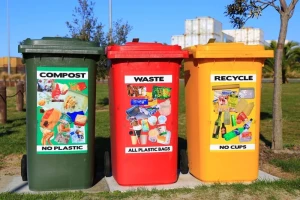
- Don’t litter: Never throw trash on the ground
- Use dustbins: Put all waste in proper waste bins
- Separate waste: Put different types of waste in different bins
- Don’t throw things from windows: Keep waste until you find a dustbin
2. Regular Cleaning Activities
Daily Cleaning:
- Sweep your house and compound every day
- Pick up any litter you see around your area
- Clean your room and keep it tidy
- Wash dishes after eating
Weekly Cleaning:
- Deep clean your house thoroughly
- Wash clothes and bed sheets
- Clean windows and doors
- Organize your belongings properly
Monthly Cleaning:
- Clean gutters and drainages
- Trim overgrown grass and bushes
- Paint or repair damaged parts of buildings
- Deep clean storage areas
3. Community Environmental Activities
- Community work days: When everyone cleans together
- Tree planting: Growing more trees and plants
- Drainage cleaning: Clearing blocked gutters and drains
- Market cleaning: Keeping markets neat and organized
4. Personal Hygiene That Helps Environment
- Proper toilet use: Use toilets properly and keep them clean
- Hand washing: Wash hands regularly to prevent spread of germs
- Body cleanliness: Take regular baths to stay clean
- Clean clothing: Wear clean clothes and wash dirty ones
Tools Needed to Keep Our Environment Clean
Basic Cleaning Tools
1. Brooms and Brushes
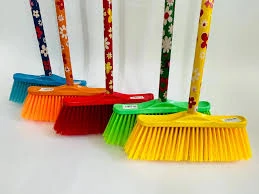
- Long brooms: For sweeping large areas like compounds
- Short brooms: For sweeping inside houses
- Scrubbing brushes: For cleaning hard surfaces
- Toilet brushes: For cleaning toilets
2. Collection Tools
- Dustpans: For collecting swept dirt
- Waste baskets: For collecting small waste
- Large dustbins: For storing waste before disposal
- Waste bags: Plastic bags for lining dustbins
3. Water and Containers
- Buckets: For carrying water for cleaning
- Bowls: For smaller cleaning tasks
- Hose pipes: For spraying water on large areas
- Watering cans: For watering plants
4. Cleaning Materials
- Soap: For washing and cleaning
- Detergent: For washing clothes and cleaning floors
- Disinfectant: For killing germs and bad smells
- Clean cloths: For wiping and drying surfaces
5. Cutting and Maintenance Tools
- Cutlass: For cutting grass and bushes
- Scissors: For trimming small plants
- Rake: For gathering fallen leaves
- Shovel: For digging and moving soil
6. Protective Items
- Gloves: To protect hands while cleaning
- Nose masks: To protect from dust and bad smells
- Aprons: To protect clothes while cleaning
- Boots: To protect feet in dirty areas
What is Sanitation?
Sanitation means keeping our environment clean and healthy to prevent diseases and make life pleasant.
Simple Definition: Sanitation is making sure our surroundings are clean and safe for our health.
Types of Sanitation
1. Personal Sanitation
- Taking regular baths
- Brushing teeth daily
- Washing hands before eating
- Wearing clean clothes
- Keeping fingernails clean and short
2. Domestic Sanitation (Home)
- Cleaning our houses daily
- Proper disposal of household waste
- Keeping kitchen and bathroom clean
- Ensuring good ventilation in our homes
- Storing food properly
3. Public Sanitation (Community)
- Keeping streets and public places clean
- Proper sewage disposal systems
- Clean public toilets
- Regular waste collection
- Clean markets and public buildings
How Often Should Sanitation Be Done?
Daily Sanitation Activities:
- Personal hygiene: Bath, brush teeth, wash hands
- Kitchen cleaning: Clean after each meal
- General tidying: Keep rooms neat and organized
- Immediate waste disposal: Put waste in bins right away
Weekly Sanitation Activities:
- Deep house cleaning: Thorough cleaning of all rooms
- Laundry: Wash all dirty clothes and beddings
- Compound cleaning: Sweep and organize outdoor areas
- Bathroom deep cleaning: Scrub thoroughly with disinfectant
Monthly Sanitation Activities:
- Major cleaning: Clean areas not done daily or weekly
- Maintenance: Repair and maintain cleaning tools
- Community sanitation: Participate in community cleaning
- Pest control: Check for and eliminate pests
Special Occasion Cleaning:
- Before festivals: Extra cleaning to prepare for celebrations
- Before visitors: Special cleaning when expecting guests
- Seasonal cleaning: Deep cleaning at change of seasons
- After illness: Extra disinfection after someone is sick
Benefits of Regular Sanitation
1. Health Benefits
- Prevents diseases: Clean environment reduces spread of germs
- Reduces insects and pests: Clean places don’t attract flies and rats
- Better air quality: Clean environment has fresh, clean air
- Prevents food poisoning: Clean kitchen keeps food safe
2. Social Benefits
- Respect from others: People respect those who keep clean environments
- Welcome visitors: Clean homes make visitors comfortable
- Community pride: Clean communities are admired by all
- Good reputation: Known for cleanliness brings good name
3. Economic Benefits
- Saves medical costs: Less sickness means less money spent on treatment
- Attracts business: Clean areas attract customers and investors
- Preserves property: Regular cleaning maintains buildings longer
- Tourism: Clean places attract visitors
Simple Sanitation Rules for Children
1. At Home:
- Always put waste in the dustbin
- Clean up after playing or eating
- Keep your room tidy
- Help parents with house cleaning
2. At School:
- Don’t throw paper on the ground
- Use the toilet properly
- Keep your desk and classroom clean
- Participate in school cleaning activities
3. In Public Places:
- Don’t litter on streets
- Use public toilets properly
- Don’t spit in public places
- Help keep public places clean
Class exercise – week 5
Choose the correct answer (A, B, or C):
- What does environmental cleanliness mean?
- A) Making our surroundings dirty
- B) Making our surroundings neat and free from dirt
- C) Ignoring waste around us
- Which tool is used for sweeping?
- A) Bucket
- B) Broom
- C) Plate
- What is sanitation?
- A) Making places dirty
- B) Keeping our environment clean and healthy
- C) Throwing waste anywhere
- How often should we clean our homes?
- A) Once a year
- B) Daily for basic cleaning, weekly for deep cleaning
- C) Never
- Why should we keep our environment clean?
- A) To prevent diseases and feel comfortable
- B) To waste time
- C) To make places dirty
Answers: 1-B, 2-B, 3-B, 4-B, 5-A
This term's Social Studies topics
Basic 2 Second Term · 9 topics
- Meaning and Importance of Greeting
- Forms of Greeting
- Meaning and the Environment
- Ways of Keeping Our Environment Clean
- Importance of Cleaning in Our Environment
- Meaning of Accidents, Causes of Accidents at Home and School
- Causes of Accidents at Home and in School
- Effects of Home and School Accidents
- How to Prevent Accidents in the School and at Home
Second Term Social Studies Lesson Notes for Other Topics
Effects of Taking Substance into the Body
Read the full lesson note.
Meaning of Overdose
Read the full lesson note.
Overdose Effects
Read the full lesson note.

How to Help People Suffering from Food or Drug Overdose
Read the full lesson note.

Food
Read the full lesson note.

Food Safety
Read the full lesson note.

Reasons for Taking Substance into the Body
Read the full lesson note.
Resources Utilization
Read the full lesson note.
Labour and Force
Read the full lesson note.
Transport and Communication
Read the full lesson note.
Gender Discrimination
Read the full lesson note.
Group Conflict and Cooperation
Read the full lesson note.
International Organizations
Read the full lesson note.

Peace Education
Read the full lesson note.

Concepts of Drug and Drug Abuse
Read the full lesson note.
Lesson Notes for Other Classes

Basic 1 Lesson Note
The complete lesson note to guide your studies.

Basic 3 Lesson Note
The complete lesson note to guide your studies.

Basic 4 Lesson Note
The complete lesson note to guide your studies.

Basic 5 Lesson Note
The complete lesson note to guide your studies.
Basic 6 Lesson Note
The complete lesson note to guide your studies.
JSS1 Lesson Note
The complete lesson note to guide your studies.

