Meaning and Importance of Greeting – Basic 2 Social Studies Lesson Note (Second Term)
Download Lesson NoteLesson note at a glance
- Subject
- Social Studies
- Class
- Basic 2
- Term
- Second Term
- Topic
- Meaning and Importance of Greeting
- Order
- Topic 1 of 9 this term
- Reading time
- 4 min
Learning Objectives
By the end of this lesson, pupils should be able to:
- Explain the meaning of greeting
- State the importance of greeting
- Mention people we should greet
What is Greeting?
Greeting is a polite way of saying hello to people when we meet them or when we want to show respect.
Simple Definition: Greeting means saying hello to people in a nice and respectful way.
Examples of Common Greetings
- “Good morning” – said in the morning
- “Good afternoon” – said in the afternoon
- “Good evening” – said in the evening
- “How are you?” – asking about someone’s health
- “Welcome” – when someone visits us
- “Hello” – a general greeting at any time
Traditional Greetings in Nigeria
Hausa Greetings:
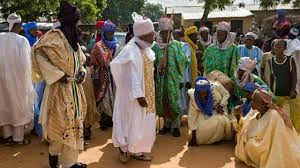
- “Sannu” – Hello
- “Barka da safiya” – Good morning
- “Yaya gida?” – How is the family?
Yoruba Greetings:

- “E ku aaro” – Good morning
- “E ku ale” – Good evening
- “Bawo ni?” – How are you?
Igbo Greetings:

- “Ndewo” – Hello
- “Ututu oma” – Good morning
- “Ndo” – Sorry/Welcome
Why Greeting is Important
1. Shows Respect
- When we greet people, we show that we respect them
- It shows we were brought up well by our parents
- It makes people feel important and valued
2. Shows Good Manners
- Greeting shows we are polite children
- It shows we know how to behave properly
- People will like us when we greet them nicely
3. Creates Friendship
- When we greet people, they become our friends
- It makes people happy to talk to us
- It helps us make new friends easily
4. Shows Love and Care
- Greeting family members shows we love them
- It shows we care about other people’s feelings
- It makes our home peaceful and happy
5. Brings Blessings
- When we greet elders, they pray for us and bless us
- Good children who greet well receive favor from people
- It brings good luck and success
6. Preserves Our Culture
- Greeting is part of our Nigerian culture
- It teaches us our traditional values
- It shows we are proud of our heritage
People We Should Greet
1. Family Members
- Parents – Daddy and Mummy
- Grandparents – Grandpa and Grandma
- Brothers and sisters
- Uncles and aunties
- Cousins and other relatives
2. At School
- Teachers – Always greet your teachers
- Principal and other school staff
- Classmates and school friends
- School security guard
- School cleaner
3. In Our Community
- Neighbors – People living near our house
- Shop owners – When we go to buy things
- Bus drivers and conductors
- Police officers and other workers
- Religious leaders – Pastor, Imam, etc.
4. Visitors
- People who visit our home
- New people we meet
- Guests at parties or ceremonies
- People we meet on the road
5. Elders and Authority Figures
- All older people – because they deserve respect
- Government officials
- Community leaders
- Traditional rulers
When to Greet People
Daily Greetings:
- Morning – When we wake up
- Going to school – Greet parents before leaving
- Arriving at school – Greet teachers and friends
- Coming home – Greet family members
- Evening – Before going to bed
Special Occasions:
- Birthdays – “Happy birthday!”
- Festivals – “Happy New Year!”, “Eid Mubarak!”
- Achievements – “Congratulations!”
- Sad times – “Sorry for your loss”
How to Greet Properly
1. Use the Right Time
- Good morning (6am – 12pm)
- Good afternoon (12pm – 6pm)
- Good evening (6pm onwards)
2. Be Respectful
- Look at the person when greeting
- Speak clearly and loudly enough
- Smile when greeting
- Use respectful words
3. Follow Cultural Ways
- Kneel for elders (if that’s your culture)
- Bow slightly to show respect
- Use both hands to shake hands with elders
- Remove your cap when greeting elders
What Happens When We Don’t Greet
Negative Effects:
- People think we are rude and badly behaved
- We don’t make friends easily
- Elders don’t bless us or help us
- We lose respect from others
- We bring shame to our family name
- We forget our cultural values
Class exercise – week 2
Choose the correct answer (A, B, or C):
- What is greeting?
- A) Fighting with people
- B) A polite way of saying hello
- C) Running away from people
- Why should we greet people?
- A) To show respect and good manners
- B) To make them angry
- C) To waste time
- “Sannu” is a greeting from which tribe?
- A) Yoruba
- B) Igbo
- C) Hausa
- When should we say “Good morning”?
- A) At night
- B) In the morning
- C) In the afternoon
- Who should we greet?
- A) Only our friends
- B) Family, teachers, and neighbors
- C) Nobody
Answers: 1-B, 2-A, 3-C, 4-B, 5-B
This term's Social Studies topics
Basic 2 Second Term · 9 topics
- Meaning and Importance of Greeting
- Forms of Greeting
- Meaning and the Environment
- Ways of Keeping Our Environment Clean
- Importance of Cleaning in Our Environment
- Meaning of Accidents, Causes of Accidents at Home and School
- Causes of Accidents at Home and in School
- Effects of Home and School Accidents
- How to Prevent Accidents in the School and at Home
Second Term Social Studies Lesson Notes for Other Topics
Effects of Taking Substance into the Body
Read the full lesson note.
Meaning of Overdose
Read the full lesson note.

Overdose Effects
Read the full lesson note.

How to Help People Suffering from Food or Drug Overdose
Read the full lesson note.

Food
Read the full lesson note.

Food Safety
Read the full lesson note.
Reasons for Taking Substance into the Body
Read the full lesson note.

Resources Utilization
Read the full lesson note.

Labour and Force
Read the full lesson note.

Transport and Communication
Read the full lesson note.

Gender Discrimination
Read the full lesson note.

Group Conflict and Cooperation
Read the full lesson note.

International Organizations
Read the full lesson note.

Peace Education
Read the full lesson note.

Concepts of Drug and Drug Abuse
Read the full lesson note.
Lesson Notes for Other Classes

Basic 1 Lesson Note
The complete lesson note to guide your studies.

Basic 3 Lesson Note
The complete lesson note to guide your studies.

Basic 4 Lesson Note
The complete lesson note to guide your studies.

Basic 5 Lesson Note
The complete lesson note to guide your studies.

Basic 6 Lesson Note
The complete lesson note to guide your studies.

JSS1 Lesson Note
The complete lesson note to guide your studies.