
Marketing – SS2 Data Processing Lesson Note (Third Term)
Lesson note at a glance
- Class
- SS2
- Subject
- Data Processing
- Term
- Third Term
- Reading time
- 4 min
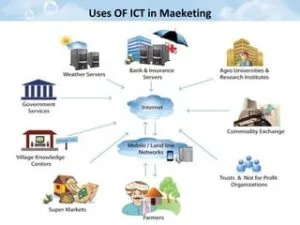
Marketing is the process of identifying, anticipating and satisfying customer needs and wants profitably.
Behavioural objectives
By the end of the lesson, students should be able to:
- define marketing;
- list the activities that marketing includes;
- describe the methods of marketing;
- state the four elements of the marketing mix;
- state the importance of marketing.
What activities does marketing include?
Marketing includes six main activities, from finding out what customers want to keeping them satisfied.
- Market research: collecting and studying information about customers, competitors and market trends.
- Product development: designing or improving a product or service to meet customer needs.
- Pricing: deciding how much customers will pay for the product or service.
- Promotion: telling customers about the product through adverts, offers and other messages.
- Distribution: getting the product to customers through shops, agents, markets or online stores.
- Customer relationship management: keeping records of customers and dealing with their needs and complaints.
- Marketing creates, communicates, delivers and exchanges offerings that have value for customers, partners and society.
What are the methods of marketing?
There are seven common methods of marketing: digital, content, social media, email, influencer, traditional and word-of-mouth marketing.
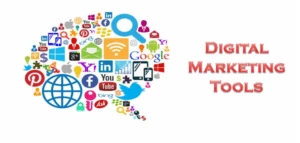
- Digital marketing: using online channels such as websites, social media, email and search engines to reach and engage target audiences.
- Content marketing: creating and sharing useful, relevant content to attract and keep a clearly defined audience, and to encourage profitable customer action. Examples are blog posts and tutorial videos.
- Social media marketing: using platforms such as Facebook, Instagram and WhatsApp to build brand awareness, engage customers and drive website traffic or sales.
- Email marketing: sending targeted, personalised emails to prospects and customers to promote products or services and nurture leads.
- Influencer marketing: working with influential individuals or organisations to promote products or services to their followers.
- Traditional marketing: conventional methods such as print advertising, television commercials, radio adverts, direct mail and event sponsorships.
- Word-of-mouth marketing: encouraging satisfied customers to recommend products or services to other people.
What is the difference between traditional marketing and word-of-mouth marketing?
- Traditional marketing: the business pays to place its message in print, on radio, on television or at events.
- Word-of-mouth marketing: customers who are happy with a product pass the message on to friends, family and colleagues.
| Point | Traditional marketing | Word-of-mouth marketing |
|---|---|---|
| Who sends the message | The business | Satisfied customers |
| Channel | Newspapers, radio, television, posters, direct mail | Personal conversation and recommendation |
| Cost | Usually high, because space and airtime are paid for | Usually low, because customers share it freely |
| Reach | Large audience at once | Spreads slowly from person to person |
| Trust | Customers know it is an advert | Customers trust people they know |
What is the marketing mix?
The marketing mix is the set of four elements a business controls to satisfy customers, called the four Ps.
| Element | Meaning | Example |
|---|---|---|
| Product | The good or service offered | A record-keeping software or a typing service |
| Price | The amount the customer pays | A fee for printing and photocopying |
| Place | Where and how customers get the product | A shop, an agent or an online store |
| Promotion | How customers are informed and persuaded | A radio advert or a social media post |
How is data used in marketing?
Marketing depends on data, which is collected, processed and turned into information for decisions.
- Customer records: names, contacts and purchases are stored in a database or spreadsheet.
- Sales records: daily sales are processed to show which products sell best.
- Surveys: questionnaires collect customers’ opinions and preferences.
- Mailing lists: stored email addresses and phone numbers are used to send offers.
- Reports: processed data is shown in tables and charts to help managers decide on prices and adverts.
What are the steps of market research?
- State the problem or question to be answered.
- Collect data from customers, using questionnaires, interviews or sales records.
- Process and analyse the data.
- Present the findings in a report.
- Use the findings to decide on the product, price, place and promotion.
Why is marketing important?
Marketing is important because it connects a business with its customers and helps the business grow.
- Customer satisfaction: it helps identify and fulfil customer needs, leading to higher satisfaction.
- Higher sales: effective strategies drive sales, expand market share and increase revenue.
- Brand recognition: it builds visibility, making products more recognisable and memorable.
- Competitive position: it separates a company from its competitors and positions it favourably in the market.
- Innovation: marketing research gives insight into market trends, consumer behaviour and new opportunities, which encourages product development.
Evaluation
- Define marketing.
- List five activities that marketing includes.
- Explain digital marketing and email marketing.
- State the difference between traditional marketing and word-of-mouth marketing.
- Give three reasons why marketing is important.
Assignment
Explain any four methods of marketing and state two ways in which marketing helps a company.
This term's Data Processing topics
SS2 Third Term · 5 topics
SS2 Data Processing Lesson Notes for Other Topics
Graphic Packages
Read the full lesson note.

Web Design
Read the full lesson note.
Internet
Read the full lesson note.
Presentation Packages
Read the full lesson note.
Database Management System I
Read the full lesson note.

Database Management System II - How to Create Database
Read the full lesson note.
Data Model
Read the full lesson note.
Data Model II - Types of Data Modelling
Read the full lesson note.
Data Modeling
Read the full lesson note.
Data Modeling II - Standard Data Model & Examples
Read the full lesson note.
Normalization
Read the full lesson note.

Entity-Relationship Models
Read the full lesson note.
Relational Models II
Read the full lesson note.

Data Security
Read the full lesson note.
Role Of Database Administration In Nigeria
Read the full lesson note.
Lesson Notes for Other Classes

SS1 Lesson Note
The complete lesson note to guide your studies.

SS3 Lesson Note
The complete lesson note to guide your studies.
