
Labour Force – Basic 6 Social Studies Lesson Note (Second Term)
Download this term · ₦1,000Lesson note at a glance
- Subject
- Social Studies
- Class
- Basic 6
- Term
- Second Term
- Topic
- Labour Force
- Order
- Topic 11 of 18 this term
- Reading time
- 5 min
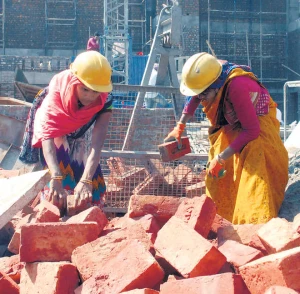
The labour force is all the people in a country who are able and willing to work, whether they have a job or are looking for one.
Behavioural objectives
By the end of the lesson, pupils should be able to:
- Define labour force and state its components.
- State five reasons why the labour force is important.
- List ways of training people to be healthy and productive.
- Explain the effects of poor health on the labour force.
- Suggest solutions to health problems affecting workers.
What is the labour force?
The labour force is all people in a country who are able and willing to work, including those employed and those actively seeking work.
What are the components of the labour force?
- Employed people: those who are working and earning an income.
- Unemployed people: those without a job who are actively seeking work.
- Age: working age is usually 15 to 64 years.
Who is not included in the labour force?
| Group | Reason |
|---|---|
| Children | Too young to work |
| Elderly people | Retired |
| Full-time students | Still in school |
| People with disabilities | Unable to work (where the disability prevents work) |
| People not seeking work | Not willing to work |
Why is the labour force important?
The labour force is important because workers produce the goods and services a country needs.
- Economic production: workers produce goods and services.
- GDP growth: more productive workers give a stronger economy.
- Tax revenue: workers pay taxes that the government uses for public services.
- National development: workers help to build infrastructure and institutions.
- Innovation: skilled workers create new ideas.
How is the population trained to be healthy and productive?
The population is trained through health training, productivity training and government programmes.
What is health training?
Health training teaches people how to stay well so that they can work.
- Basic health education: personal hygiene (handwashing, bathing), proper nutrition, disease prevention, the importance of immunisation and safe water practices.
- Reproductive health: family planning, safe childbirth practices, prevention of sexually transmitted infections and maternal health.
- Mental health awareness: stress management, emotional wellbeing and seeking help when needed.
- Safety education: workplace safety, first aid training, accident prevention and ergonomics (proper posture at work).
- Environmental health: sanitation, waste disposal, a clean environment and pollution prevention.
What is productivity training?
Productivity training gives people the knowledge and skills to work well.
- Formal education: primary and secondary school, universities and polytechnics, literacy programmes and continuous learning.
- Vocational training: trade skills such as carpentry, plumbing and tailoring, technical skills, apprenticeships and other practical skills.
- Professional development: on-the-job training, workshops and seminars, conferences, certifications and skill upgrading.
- Technology training: computer literacy, digital skills, software training and internet usage.
- Entrepreneurship training: business management, financial literacy, marketing skills and record keeping.
- Soft skills: communication, teamwork, leadership, time management and problem-solving.
What can the government do?
The government supports the labour force through health, education, skills, food and sports programmes.
- Healthcare provision: medical services, vaccination programmes, maternal and child health care and disease control programmes.
- Education funding: free basic education, scholarships, school buildings and teacher training.
- Skills acquisition centres: vocational training institutes, apprenticeship programmes and adult education centres.
- Nutrition programmes: school feeding, food supplementation and nutrition education.
- Sports and recreation: physical fitness programmes, sports facilities and recreation centres.
What are the effects of poor health on the labour force?
Poor health lowers the number of workers, the quality of their work and the wealth of the country.
- Reduced productivity: sick workers work slowly, produce poor quality output and miss targets.
- Absenteeism: workers miss work because of illness and hospital visits, so projects are delayed.
- High healthcare costs: medical bills are expensive, company insurance costs rise, family money is used up and the government carries a heavy burden.
- Premature death: skilled workers and their experience are lost, family breadwinners die and children become orphans.
- Low life expectancy: people do not live long, so they cannot work for many years and the workforce shrinks.
- Unemployment: workers too sick to perform their duties lose their jobs.
- Poverty: illness brings no income, medical expenses drain savings and the family cannot be supported.
- Economic decline: national productivity and GDP fall, tax revenue drops and development slows.
- Social problems: families suffer, children drop out of school, crime may increase and society becomes unstable.
- Loss of human capital: skilled workers are incapacitated, healthy ones may leave the country (brain drain) and knowledge is lost.
What are the common health problems affecting the labour force?
Ten common health problems affect workers in Nigeria, and the table shows how each one is linked to work.
| Health problem | Link to the labour force |
|---|---|
| Malaria | Very common in Nigeria |
| HIV/AIDS | Affects people of productive age |
| Tuberculosis | Weakens workers |
| Hypertension | Often stress-related |
| Diabetes | A lifestyle disease |
| Accidents | Cause workplace injuries |
| Mental health issues | Include depression and anxiety |
| Malnutrition | Weakens the body |
| Respiratory diseases | Linked to air pollution |
| Cholera and typhoid | Caused by poor sanitation |
What are the solutions to poor health among workers?
There are six main solutions: preventive healthcare, occupational health, health education, good nutrition, exercise and improved infrastructure.
- Preventive healthcare: regular check-ups, vaccination, health insurance and early detection of illness.
- Occupational health: a safe work environment, protective equipment, regular health screening and workplace clinics.
- Health education: awareness campaigns, health literacy, lifestyle changes and hygiene promotion.
- Good nutrition: a balanced diet, food security and nutrition programmes.
- Exercise: physical activity, workplace fitness and sports facilities.
- Improved infrastructure: clean water, sanitation, healthcare facilities and electricity for health centres.
Evaluation
- What is the labour force?
- Name three ways of training the population to be productive.
- List four effects of poor health on the labour force.
- Why is good health important for workers?
- How can the government improve the health of the labour force?
Assignment
Define labour force, then explain in your own words five effects of poor health on workers and two things an individual can do to stay healthy for work.
This term's Social Studies topics
Basic 6 Second Term · 18 topics
- International Organizations
- Peace Education
- Concepts of Drug and Drug Abuse
- Synthetic and Naturally Occurring Drugs
- Resource Utilization
- Labour Force
- Transport and Communication
- Gender Discrimination
- Group Conflicts and Cooperation
- International Organizations
- Peace Education
Get Social Studies as PDF and Word
Every week of Basic 6 Social Studies, Second Term, formatted and ready to print. Ad-free, and the copy lock comes off.
Get this term Card, bank transfer, USSD or OPay
Basic 6 Social Studies Lesson Notes for Other Topics

Resources Utilization
Read the full lesson note.

Labour and Force
Read the full lesson note.

Transport and Communication
Read the full lesson note.

Gender Discrimination
Read the full lesson note.

Group Conflict and Cooperation
Read the full lesson note.

International Organizations
Read the full lesson note.

Peace Education
Read the full lesson note.

Concepts of Drug and Drug Abuse
Read the full lesson note.

Synthetic and Naturally Occurring Drugs
Read the full lesson note.
Resource Utilization
Read the full lesson note.
Transport and Communication
Read the full lesson note.
Gender Discrimination
Read the full lesson note.
Group Conflicts and Cooperation
Read the full lesson note.
International Organizations
Read the full lesson note.
Peace Education
Read the full lesson note.
Lesson Notes for Other Classes

Basic 1 Lesson Note
The complete lesson note to guide your studies.

Basic 2 Lesson Note
The complete lesson note to guide your studies.

Basic 3 Lesson Note
The complete lesson note to guide your studies.

Basic 4 Lesson Note
The complete lesson note to guide your studies.

Basic 5 Lesson Note
The complete lesson note to guide your studies.
