Military Rule in Nigeria: Major General J.T.U Aguyi Ironsi – Basic 6 History Lesson Note (First Term)
Download Lesson NoteTopic: Military Rule in Nigeria – Major General J.T.U Aguyi Ironsi
Lesson note at a glance
- Subject
- History
- Class
- Basic 6
- Term
- First Term
- Topic
- Military Rule in Nigeria: Major General J.T.U Aguyi Ironsi
- Order
- Topic 3 of 5 this term
- Reading time
- 6 min
Learning Objectives
By the end of the lesson, pupils should be able to:
- Explain the meaning of military coup d’état
- Classify the three arms of the military and their functions
- List the characteristics of military regime
- Name the first military Head of State and the coup plotters of January 1966
- List the causes and effects of the first military coup
- Relate the shortcomings of Ironsi’s administration
Content
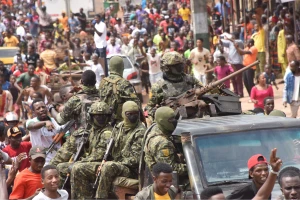
What is a Military Coup d’État? A military coup d’état (pronounced “koo day-TAH”) is the sudden, illegal takeover of government by military officers. In a coup, soldiers use force or the threat of force to remove civilian leaders and take control of the country.
Types of Military Takeover:
- Coup d’État: Sudden seizure of power
- Palace Coup: Change of leadership within the military
- Counter-Coup: Military action to reverse a previous coup
The Three Arms of the Nigerian Military:
- NIGERIAN ARMY Functions:
- Land-based military operations
- Internal security and peacekeeping
- Border protection and defense
- Counter-insurgency operations
- Disaster relief and emergency response
Organization:
- Commanded by Chief of Army Staff
- Divided into divisions and brigades
- Infantry, artillery, armored corps, engineers
- Largest of the three services
- NIGERIAN NAVY Functions:
- Maritime defense and security
- Protection of territorial waters
- Anti-piracy operations
- Oil platform security
- Search and rescue at sea
Organization:
- Commanded by Chief of Naval Staff
- Fleet of ships, submarines, and patrol boats
- Naval bases in Lagos, Calabar, Warri
- Marine units for amphibious operations
- NIGERIAN AIR FORCE Functions:
- Air defense and surveillance
- Air support for ground operations
- Transport and logistics
- Intelligence gathering
- Training and recruitment
Organization:
- Commanded by Chief of Air Staff
- Fighter jets, transport aircraft, helicopters
- Air bases across the country
- Air defense systems
Characteristics of Military Regime:
- Authoritarian Rule
- One-person or small group leadership
- No checks and balances
- Decisions made by decree, not laws
- Limited or no public participation
- Suspension of Constitution
- Normal democratic processes stopped
- Parliament dissolved or suspended
- Political parties banned
- Civil rights restricted
- Military Command Structure
- Hierarchy based on military ranks
- Orders flow from top to bottom
- Discipline and obedience emphasized
- Military tribunals replace civilian courts
- Rule by Decree
- Laws made by military decrees
- No parliamentary debate
- Quick decision-making process
- Limited judicial review
- Centralized Power
- Power concentrated in military leadership
- State governments controlled by military
- Local governments under military supervision
- Limited federalism
Major General Johnson Thomas Umunnakwe Aguiyi-Ironsi:
Background:
- Born: March 3, 1924, in Umuahia, Abia State (then Eastern Region)
- Ethnic Group: Igbo
- Military Career: Joined army in 1942, trained in Ghana and UK
- Rank: Major General (highest-ranking officer in 1966)
- Family: Married with children
Rise to Power:
- Position in 1966: General Officer Commanding Nigerian Army
- January 15, 1966: Became Head of State after coup
- Age: 42 years old when he took power
- Duration: Ruled for about 6 months (194 days)
The January 15, 1966 Military Coup:
Major Coup Plotters:
- Major Chukwuma Kaduna Nzeogwu – Leader, stationed in Kaduna
- Major Emmanuel Ifeajuna – Lagos operations
- Major Timothy Onwuatuegwu – Eastern operations
- Major Adewale Ademoyega – Western operations
- Major Chris Anuforo – Mid-West operations
Targets of the Coup:
- Prime Minister Tafawa Balewa – Killed
- Sardauna of Sokoto (Ahmadu Bello) – Killed in Kaduna
- Chief S.L. Akintola (Western Region Premier) – Killed
- Chief Festus Okotie-Eboh (Finance Minister) – Killed
- Colonel Kur Mohammed (Northern military officer) – Killed
Causes of the January 1966 Coup:
- Political Crisis
- 1964 Federal Election Crisis: Massive rigging and violence
- Western Region Crisis: Operation Wetie violence
- 1965 Western Election: Disputed results and chaos
- Loss of confidence in democratic process
- Corruption and Mismanagement
- Widespread corruption in government
- Misuse of public funds
- Poor economic management
- Widening gap between rich and poor
- Ethnic and Regional Tensions
- Politics divided along ethnic lines
- Northern domination of federal government
- Regional competition for resources
- Cultural and religious conflicts
- Economic Problems
- High unemployment, especially among youth
- Inflation and rising cost of living
- Unequal development between regions
- Poor infrastructure and services
- Security Breakdown
- Rising crime and violence
- Political thuggery and intimidation
- Weak law enforcement
- Fear of civil war
- Military Concerns
- Young officers frustrated with national situation
- Desire to “save” Nigeria from collapse
- Influence of successful coups in other African countries
- Military modernization and professionalism
Effects of the January 1966 Coup:
Immediate Effects:
- End of First Republic: Democratic government terminated
- Military Rule Established: New form of government
- Political Leaders Eliminated: Key politicians killed
- Constitution Suspended: Democratic institutions stopped
Long-term Effects:
- Pattern Established: Beginning of military intervention culture
- National Unity Challenges: Coup seen as Igbo domination
- Democratic Setback: Interruption of democratic development
- Regional Tensions: Increased North-South suspicion
Shortcomings of Ironsi’s Administration:
- Unification Decree (Decree No. 34)
- Date: May 24, 1966
- Content: Abolished federal system, created unitary government
- Problem: Seen as Igbo attempt to dominate Nigeria
- Reaction: Northern protests and violence
- Poor Communication
- Failed to explain policies to the people
- Did not consult widely before major decisions
- Poor public relations and media management
- Limited interaction with traditional rulers
- Ethnic Imbalance
- Administration dominated by Igbo officers
- Northern officers felt marginalized
- Appointments appeared ethnically biased
- Failed to build national consensus
- Handling of Coup Plotters
- Did not prosecute January coup plotters
- Some were promoted instead of punished
- This angered northern military officers
- Created impression of selective justice
- Religious and Cultural Insensitivity
- Policies seen as threat to northern traditional system
- Inadequate consultation with religious leaders
- Misunderstanding of northern political culture
- Failed to address regional concerns
- Economic Policies
- Limited focus on economic development
- Short tenure prevented major reforms
- Inherited economic problems not addressed
- No clear economic development plan
- Security Failures
- Could not prevent northern riots in May 1966
- Failed to protect northern Igbos
- Intelligence gathering was inadequate
- Military discipline problems
Legacy of Ironsi’s Rule:
- Shortest Military Rule: Only 6 months and 2 weeks
- Constitutional Impact: Introduction of unitary system debate
- Military Precedent: Set pattern for future military interventions
- National Trauma: His assassination deepened national crisis
- Federal Character Lesson: Showed need for balanced representation
Activities
- Create a timeline of events from January to July 1966
- Role-play a military coup scenario (educational simulation)
- Compare military and civilian characteristics of government
- Discussion on the dangers of military rule
Multiple Choice Questions
- A military coup d’état means: a) Military parade b) Sudden seizure of power c) Military training d) War declaration
- Major General Ironsi ruled Nigeria for: a) One year b) Six months c) Two years d) Three months
- The January 1966 coup was led by: a) Ironsi b) Major Nzeogwu c) Gowon d) Ojukwu
- Which decree created a unitary system of government? a) Decree No. 1 b) Decree No. 34 c) Decree No. 8 d) Decree No. 15
- Ironsi’s administration was criticized for: a) Being too democratic b) Ethnic imbalance c) Too much consultation d) Economic prosperity
Homework
Write a newspaper report (as if you were a journalist in 1966) describing the January 15, 1966 coup. Include: (1) What happened, (2) Who was involved, (3) Why it occurred, (4) What changes it brought, (5) How people reacted. Use simple language and make it interesting to read.
This term's History topics
Basic 6 First Term · 5 topics
- Civil Rule in Nigeria First Republic: 1960-1966
- Civil Rule in Nigeria: Second Republic (1979-1983)
- Military Rule in Nigeria: Major General J.T.U Aguyi Ironsi
- Military Rule in Nigeria: General Yakubu Gowon
- Military Rule in Nigeria: Muritala/Obasanjo
First Term History Lesson Notes for Other Topics

Introduction to History
Read the full lesson note.

Historical Origin of Peoples in Lagos State
Read the full lesson note.

People in the Community
Read the full lesson note.

Important Places of History in Lagos State
Read the full lesson note.

Family History
Read the full lesson note.

Geopolitical Zones of Nigeria
Read the full lesson note.
South-South Geopolitical Zone (Ancient) Continued
Read the full lesson note.

South-west Geo-political zone People (Ancient & Modern)
Read the full lesson note.
South-west Geopolitical zone in Nigeria (Ancient)
Read the full lesson note.
South-south Geopolitical zone in Nigeria (Modern)
Read the full lesson note.
South-East Geopolitical Zone (Modern)
Read the full lesson note.
North-East Geopolitical Zone Peoples (Modern)
Read the full lesson note.

South-East Geopolitical Zone Peoples (Ancient) Continued
Read the full lesson note.

North-Central Geopolitical Zone
Read the full lesson note.

North-west Geopolitical Zone
Read the full lesson note.
Lesson Notes for Other Classes

Basic 1 Lesson Note
The complete lesson note to guide your studies.

Basic 2 Lesson Note
The complete lesson note to guide your studies.

Basic 3 Lesson Note
The complete lesson note to guide your studies.

Basic 4 Lesson Note
The complete lesson note to guide your studies.

Basic 5 Lesson Note
The complete lesson note to guide your studies.

JSS1 Lesson Note
The complete lesson note to guide your studies.