
South-South Geopolitical Zone (Ancient) Continued – Basic 3 History Lesson Note (First Term)
Download Lesson NoteLesson note at a glance
- Subject
- History
- Class
- Basic 3
- Term
- First Term
- Topic
- South-South Geopolitical Zone (Ancient) Continued
- Order
- Topic 5 of 10 this term
- Reading time
- 5 min
What We Will Learn Today
- More ancient kingdoms in the South-South
- Traditional ways of life and culture
- Ancient trade and crafts
- How ancient people governed themselves
More Ancient Kingdoms
The Great Benin Kingdom
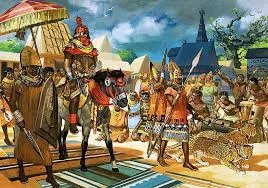
Location: Present-day Edo State
Time Period: Over 800 years ago to colonial times
Ruler: The Oba of Benin
Capital: Benin City
What Made Benin Great:
- Amazing bronze work – made beautiful bronze plaques and sculptures
- Strong walls – built tall walls around the city for protection
- Powerful army – feared by neighboring kingdoms
- Rich culture – had elaborate ceremonies and festivals
Calabar Kingdom (Efik)
Location: Present-day Cross River State
Time Period: About 500 years ago
Rulers: The Obong of Calabar
Capital: Old Calabar
Why Calabar Was Important:
- Trading center – first place Europeans came to trade
- River port – ships came up the Cross River
- Cultural mixing – local people learned from foreign traders
- Educational hub – first schools were built here
Nembe Kingdom (Ijaw)
Location: Present-day Bayelsa State
Time Period: About 600 years ago
Ruler: The Amanyanabo (King of Nembe)
What Made Nembe Special:
- Master fishermen – best boat builders and fishermen
- Creek traders – controlled trade through waterways
- Palm oil business – sold palm oil to European traders
- Water festivals – celebrated their river gods
Ancient Way of Life
How They Made Their Living:
Fishing Communities (Ijaw People):
- Canoe making – carved beautiful boats from big trees
- Net weaving – made fishing nets from palm fibers
- Fish smoking – preserved fish by drying over fire
- Water transportation – moved people and goods by canoe
Trading Communities (Efik/Ibibio People):
- Market centers – built big markets for buying and selling
- Middlemen – helped Europeans trade with inland people
- Currency – used cowrie shells and copper rods as money
- Record keeping – kept track of trade deals
Farming Communities:
- Yam farming – grew yams as main food crop
- Palm wine tapping – collected sweet wine from palm trees
- Vegetable gardens – grew pepper, okra, and leafy vegetables
- Livestock – kept goats, chickens, and local animals
Ancient Culture and Traditions
Religious Beliefs:
- Water spirits – believed rivers and seas had gods
- Ancestor worship – honored their dead relatives
- Sacred groves – special forests where gods lived
- Festivals – celebrated with dancing, music, and feasts
Important Festivals:
- Yam festivals – celebrated good harvest
- River festivals – thanked water gods for fish
- New year celebrations – marked beginning of farming season
- Masquerade festivals – spirits came out to bless the people
Traditional Arts:
- Wood carving – made masks, statues, and house decorations
- Bronze casting – especially famous in Benin Kingdom
- Pottery – women made pots, plates, and water containers
- Cloth weaving – wove beautiful traditional clothes
Ancient Government Systems
How Kings Ruled:
- Divine kingship – people believed kings were chosen by gods
- Council of chiefs – helped kings make important decisions
- Age grade societies – groups of men who did community work
- Traditional laws – rules passed down from ancestors
Traditional Justice:
- Village assemblies – people gathered to solve problems
- Oath taking – swearing by gods to tell the truth
- Compensation – paying back when you wronged someone
- Banishment – sending bad people away from the community
Women’s Roles:
- Market leadership – women controlled many markets
- Religious duties – served as priestesses in some religions
- Craft specialization – expert potters and cloth weavers
- Family management – took care of homes and children
Ancient Trade and Economy
What They Traded:
- Palm oil – very valuable for making soap and cooking
- Palm kernels – used for oil and crafts
- Fish – dried fish traded to inland areas
- Salt – made from sea water, very precious
- Ivory – elephant tusks for decoration and tools
Trade Routes:
- River highways – used rivers as roads for canoes
- Forest paths – walking trails through thick forests
- Coastal routes – boats traveled along the seashore
- Market networks – connected different communities
Ancient Money:
- Cowrie shells – small white shells from the sea
- Copper rods – long pieces of copper metal
- Iron bars – used iron as valuable currency
- Salt blocks – blocks of salt as money
- Barter system – exchanging goods directly
Ancient Social Organization
Family Structure:
- Extended families – many relatives lived together
- Compound living – several houses in one big area
- Respect for elders – old people were very important
- Children’s duties – helped parents with work and chores
Community Groups:
- Fishing societies – fishermen worked together
- Farming groups – farmers helped each other
- Craft guilds – people with same skills formed groups
- Women’s societies – women organized community activities
What We Learned
- Ancient South-South had great kingdoms like Benin, Calabar, and Nembe
- People lived by fishing, farming, and trading along rivers and coasts
- They had rich cultures with festivals, art, and traditional beliefs
- Ancient trade networks connected communities through rivers and forests
- Traditional government systems helped maintain order and justice
EXERCISES
- Fill in the blanks:
- The Benin Kingdom was famous for its __________ artwork.
- The Ijaw people were master __________ and boat builders.
- Ancient people used __________ shells as money.
- The ruler of Benin was called the __________.
- Match the kingdom with its special feature:
- Benin Kingdom → First place Europeans came to trade
- Calabar Kingdom → Master fishermen and boat builders
- Nembe Kingdom → Famous for bronze artwork
- True or False:
- Ancient people only ate fish and nothing else. ( )
- Women played important roles in markets and crafts. ( )
- Rivers were like highways for ancient people. ( )
- Ancient people had no system of government. ( )
- Choose the correct answer:
- Ancient people made boats from (metal / big trees / stones).
- Palm oil was used for (building / cooking and soap / fighting).
- Cowrie shells were used as (food / decoration / money).
- The Oba ruled in (Calabar / Benin / Nembe) Kingdom.
- Answer these questions:
- What were three main ways ancient South-South people made their living?
- Why were rivers important to ancient people?
- Name two types of traditional festivals they celebrated.
- How did ancient people preserve fish for storage?
- Complete the chart:
Ancient Trade Items:
- From the sea: __________ and __________
- From palm trees: __________ and __________
- From animals: __________ (elephant tusks)
- Think and Write: If you lived in ancient South-South, which job would you like to have? Why?
- Fisherman: ___________________________
- Trader: ___________________________
- Craft maker: ___________________________
Circle your choice and explain: ___________________________
Ancient Wisdom: The ancient South-South people showed us how to live well with rivers, forests, and the sea!
This term's History topics
Basic 3 First Term · 10 topics
- Geopolitical Zones of Nigeria
- South-west Geo-political Zone People (Ancient & Modern)
- South-west Geopolitical Zone in Nigeria (Ancient)
- South-south Geopolitical Zone in Nigeria (Modern)
- South-South Geopolitical Zone (Ancient) Continued
- South-East Geopolitical Zone (Modern)
- South-East Geopolitical Zone Peoples (Ancient) Continued
- North-East Geopolitical Zone Peoples (Modern)
- North-Central Geopolitical Zone
- North-west Geopolitical Zone
First Term History Lesson Notes for Other Topics
Introduction to History
Read the full lesson note.

Historical Origin of Peoples in Lagos State
Read the full lesson note.
People in the Community
Read the full lesson note.

Important Places of History in Lagos State
Read the full lesson note.
Family History
Read the full lesson note.
Geopolitical Zones of Nigeria
Read the full lesson note.
South-west Geo-political zone People (Ancient & Modern)
Read the full lesson note.
South-west Geopolitical zone in Nigeria (Ancient)
Read the full lesson note.
South-south Geopolitical zone in Nigeria (Modern)
Read the full lesson note.
South-East Geopolitical Zone (Modern)
Read the full lesson note.
North-East Geopolitical Zone Peoples (Modern)
Read the full lesson note.

South-East Geopolitical Zone Peoples (Ancient) Continued
Read the full lesson note.

North-Central Geopolitical Zone
Read the full lesson note.
North-west Geopolitical Zone
Read the full lesson note.
Civil Rule in Nigeria First Republic: 1960-1966
Read the full lesson note.
Lesson Notes for Other Classes

Basic 1 Lesson Note
The complete lesson note to guide your studies.

Basic 2 Lesson Note
The complete lesson note to guide your studies.

Basic 4 Lesson Note
The complete lesson note to guide your studies.

Basic 5 Lesson Note
The complete lesson note to guide your studies.
Basic 6 Lesson Note
The complete lesson note to guide your studies.
JSS1 Lesson Note
The complete lesson note to guide your studies.

