Reasons for Personal Security – Basic 5 Security Education Lesson Note (Second Term)
Download Lesson NoteLesson note at a glance
- Subject
- Security Education
- Class
- Basic 5
- Term
- Second Term
- Topic
- Reasons for Personal Security
- Order
- Topic 3 of 4 this term
- Reading time
- 5 min
Entry Behaviour
The pupils can relate on how they interact with their peers and friends.
Instructional Materials
- Wall charts
- Pictures
- Related Online Video
- Flash Cards
Methods of Teaching
- Class Discussion
- Group Discussion
- Asking Questions
- Explanation
- Role Modelling
- Role Delegation
Reference Materials
- Scheme of Work
- Online Information
- Textbooks
- Workbooks
- 9 Year Basic Education Curriculum
Content
What is personal security?
Personal security refers to measures taken to protect oneself from harm or danger. Here are some examples to help illustrate this concept:
- Locking doors and windows to prevent break-ins at home
- Wearing a helmet when riding a bicycle or scooter
- Keeping personal information private, such as your full name and address
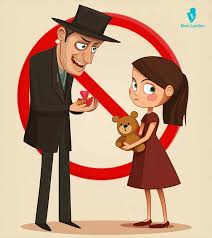
- Being cautious when talking to strangers
- Using seat belts when driving in a car
These examples show that personal security involves taking steps to stay safe in different situations and protect oneself from harm.
Reasons for personal security
Reasons for personal security:
1. Protecting against physical harm
Physical safety is a top priority, as personal security helps prevent injury or harm caused by accidents, violence, or other harmful incidents.
2. Protecting personal information
With the rise of technology, it is important to protect personal information such as passwords, credit card numbers, and social security numbers to prevent identity theft and fraud.
3. Preserving personal freedom
Personal security allows individuals to live their lives free from fear, intimidation or coercion.
4. Maintaining personal dignity
Personal security helps to preserve a person’s sense of self-esteem, independence, and privacy.
5. Avoiding property loss
Personal security measures, such as locking doors and windows, can help prevent theft or loss of personal property.
6. Preserving quality of life
Personal security helps individuals to feel safe and secure in their homes, workplaces, and daily lives, which can lead to a better quality of life.
Evaluation
- What is the primary reason for personal security? A. To protect against physical harm B. To avoid property loss C. To maintain a sense of self-esteem
- What is one way to protect personal information? A. Keep personal information private B. Share personal information widely C. Disclose personal information to strangers
- What is the importance of preserving personal freedom? A. To maintain a sense of self-esteem B. To import more attention C. To be dependent on others
- What is the benefit of avoiding property loss? A. To feel safe and secure B. To attract danger C. To compromise safety
- What is one way to protect against physical harm? A. Be careless in daily activities B. Wear protective gear C. Engage in risky behavior
- What is the importance of personal freedom? A. To live life free from fear B. To be dependent on others C. To attract danger
- What does one way personal privacy? A. Share personal information widely B. Keep personal information private C. Disclose personal information to strangers
- Why is it important to lock doors and windows? A. To prevent theft or loss B. To damage safety C. To compromise safety
- What is the benefit of wearing a helmet when riding a bicycle or scooter? A. To prevent injury or harm B. To attract danger C. To compromise safety
- What is the benefit of using seat belts when driving in a car? A. To prevent injury or harm in case of an accident B. To attract danger C. To compromise safety
Importance of Personal Security
1. Physical Safety
Personal security measures help prevent injury or harm caused by accidents, violence, or other harmful incidents.
2. Protection of Personal Information
Personal security helps prevent identity theft and fraud by protecting personal information such as passwords, credit card numbers, and social security numbers.
3. Preserving Freedom
Personal security allows individuals to live their lives free from fear, intimidation or coercion.
4. Maintaining Dignity
Personal security helps preserve a person’s sense of self-esteem, independence, and privacy.
5. Avoiding Property Loss
Personal security measures, such as locking doors and windows, can help prevent theft or loss of personal property.
6. Quality of Life
Personal security helps individuals feel safe and secure in their homes, communities, and daily lives, leading to a better overall quality of life.
7. Mental Health
Personal security can improve mental health by reducing anxiety, stress, and fear. When people feel secure in their daily lives, they feel more secure in their daily lives.
Additional Evaluation Questions
- What is the primary importance of personal security? A. Physical safety B. Protection of personal information C. Both A and B
- How can personal security can prevent identity theft and fraud? A. Sharing personal information with strangers B. Protecting personal information such as passwords and credit card numbers C. Ignoring security measures
- What is one way personal security helps individuals to do? A. Live life free from fear B. Live life in fear C. Live life in danger
- How does personal security help preserve a person’s sense of self-esteem? A. By promoting personal dignity B. By compromising personal dignity C. By attracting attention
- How can personal security help improve property loss? A. By preventing property of the house property B. By encouraging property loss C. By ignoring theft and loss
- What is one way personal security measures can increase a person’s confidence? A. By making them feel safe B. By making them feel unsafe C. By making them feel nervous
- How can personal security measures help prevent theft or loss of personal property? A. By implementing security measures B. By ignoring security measures C. By avoiding security systems
- What does personal security encompass? A. Physical protection B. Preservation of personal information C. Both A and B
- How can personal security improve mental health? A. By reducing anxiety, stress, and fear B. By increasing anxiety, stress, and fear C. By ignoring mental health
- What is one way personal security measures can increase a person’s confidence? A. By making them feel safe and secure B. By making them feel unsafe C. By promoting insecurity
This term's Security Education topics
Basic 5 Second Term · 4 topics
Second Term Security Education Lesson Notes for Other Topics
Identify Sources of Danger
Read the full lesson note.
Security Management
Read the full lesson note.
Types of Security Management
Read the full lesson note.

Importance of Security Management
Read the full lesson note.
Safety and Security Management
Read the full lesson note.

Managing Security
Read the full lesson note.
Threat to Security
Read the full lesson note.
Combating Threats to Security
Read the full lesson note.
Identification of Criminal Behavior
Read the full lesson note.

Causes of Crime
Read the full lesson note.
Categories of Crime
Read the full lesson note.
Factors affecting Criminal Behavior
Read the full lesson note.

Common Criminal Behavior
Read the full lesson note.
Common Criminal Behavior - Examination Malpractice
Read the full lesson note.
Preventive Measures of Common Crimes - Primary Prevention
Read the full lesson note.
Lesson Notes for Other Classes

Basic 1 Lesson Note
The complete lesson note to guide your studies.
Basic 2 Lesson Note
The complete lesson note to guide your studies.

Basic 3 Lesson Note
The complete lesson note to guide your studies.

Basic 4 Lesson Note
The complete lesson note to guide your studies.
Basic 6 Lesson Note
The complete lesson note to guide your studies.

JSS1 Lesson Note
The complete lesson note to guide your studies.