
Avoiding Dangerous Places and People – Basic 4 Security Education Lesson Note (Second Term)
Download this term · ₦1,000Lesson note at a glance
- Subject
- Security Education
- Class
- Basic 4
- Term
- Second Term
- Topic
- Avoiding Dangerous Places and People
- Order
- Topic 5 of 7 this term
- Reading time
- 2 min
What are Dangerous Places?
Dangerous places are locations where bad things can happen to you. These are areas where you can get hurt, lost, or meet bad people.
Dangerous Places to Avoid
- Lonely and Quiet Areas

- Empty buildings
- Dark alleys
- Abandoned houses
- Thick bushes
- Deserted playgrounds
2. Unsafe Water Areas

- Deep rivers or streams
- Swimming pools without adults
- Beach without lifeguards
- Flooded areas
- Wells and pits
3. High Risk Areas
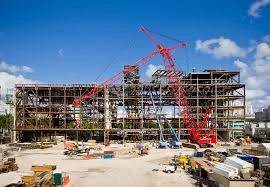
- Construction sites
- Near highways
- Railway tracks
- Electric poles and transformers
- Broken bridges
4. Crime Areas

- Known criminal hideouts
- Drug selling points
- Gambling centers
- Late night spots
- Uncompleted buildings
Dangerous People to Avoid
- Strangers Who:
- Offer gifts or sweets
- Ask you to follow them
- Want to show you something
- Try to touch you
- Ask personal questions
2. People Showing Bad Behavior:
- Drunk people
- People fighting
- Drug users
- Gang members
- People with weapons
3. Adults Who Make You Uncomfortable:
- Those who want secrets
- People who threaten you
- Adults who separate you from friends
- Those offering car rides
- People asking you to disobey parents
How to Stay Safe
DO’s:
- Stay in safe, open areas
- Go out in groups
- Tell parents where you’re going
- Trust your feelings
- Stay where adults can see you
DON’Ts:
- Don’t go to lonely places
- Don’t follow strangers
- Don’t accept gifts from unknown people
- Don’t keep secrets from parents
- Don’t play in dangerous areas
What to Do If You’re in Danger Run to safety. Scream for help. Find trusted adults. Call emergency numbers. Tell your parents immediately.
Remember: It’s better to be safe than sorry. If a place or person feels wrong, stay away!
EXERCISES
A. Fill in the blanks:
- _______ places are where bad things can happen.
- Avoid _______ buildings and dark alleys.
- Don’t accept _______ from strangers.
- Always tell _______ where you’re going.
- If in danger, _______ for help.
B. True or False:
- Empty buildings are safe. _______
- Accept gifts from strangers. _______
- Play in groups for safety. _______
- Trust your feelings. _______
- Keep secrets from parents. _______
C. Circle dangerous places:
- Your classroom
- Empty buildings
- Your home
- Dark alleys
- Church/Mosque
- Construction sites
- School library
- Deep rivers
D. Dangerous or Safe? Write D or S:
- Stranger offering sweets _____
- Your teacher _____
- Drunk person _____
- Your parents _____
- Gang members _____
E. Answer:
- Name 3 dangerous places.
- What should you do if a stranger offers gifts?
- Who should you tell about danger?
This term's Security Education topics
Basic 4 Second Term · 7 topics
Get Security Education as PDF and Word
Every week of Basic 4 Security Education, Second Term, formatted and ready to print. Ad-free, and the copy lock comes off.
Get this term Card, bank transfer, USSD or OPay
Second Term Security Education Lesson Notes for Other Topics
Identify Sources of Danger
Read the full lesson note.
Security Management
Read the full lesson note.
Types of Security Management
Read the full lesson note.

Importance of Security Management
Read the full lesson note.
Safety and Security Management
Read the full lesson note.

Managing Security
Read the full lesson note.
Threat to Security
Read the full lesson note.
Combating Threats to Security
Read the full lesson note.
Identification of Criminal Behavior
Read the full lesson note.

Causes of Crime
Read the full lesson note.
Categories of Crime
Read the full lesson note.
Factors affecting Criminal Behavior
Read the full lesson note.

Common Criminal Behavior
Read the full lesson note.
Common Criminal Behavior - Examination Malpractice
Read the full lesson note.
Preventive Measures of Common Crimes - Primary Prevention
Read the full lesson note.
Lesson Notes for Other Classes

Basic 1 Lesson Note
The complete lesson note to guide your studies.

Basic 2 Lesson Note
The complete lesson note to guide your studies.

Basic 3 Lesson Note
The complete lesson note to guide your studies.

Basic 5 Lesson Note
The complete lesson note to guide your studies.
Basic 6 Lesson Note
The complete lesson note to guide your studies.
JSS1 Lesson Note
The complete lesson note to guide your studies.


