
Heroines in Nigeria – Basic 4 Nigerian History Lesson Note (Third Term)
Download this term · ₦1,000Lesson note at a glance
- Subject
- Nigerian History
- Class
- Basic 4
- Term
- Third Term
- Topic
- Heroines in Nigeria
- Order
- Topic 2 of 5 this term
- Reading time
- 5 min
What is a Heroine?
A heroine is a brave woman who:
- Fights for what is right
- Helps her people and community
- Shows great courage in difficult times
- Leads and inspires others
- Makes Nigeria a better place
- Sacrifices for others’ welfare
Nigerian Heroines
- QUEEN AMINA OF ZARIA (1533-1610)
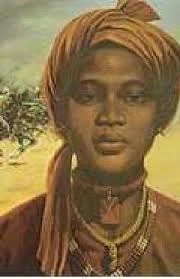
Who was she?
- Queen of Zazzau (present-day Zaria)
- Great warrior and military leader
- From Kaduna State area
What she did:
- Led armies in many battles
- Expanded her kingdom through conquests
- Built walls around cities for protection (Amina walls)
- Ruled for about 34 years
- Made her kingdom very powerful
Why she’s a heroine:
- Brave female warrior in a time when few women fought
- Protected her people from enemies
- Expanded trade and made her kingdom rich
- Showed that women can be great leaders
- QUEEN IDA OF BENIN (15th Century)

Who was she?
- Queen Mother in the Benin Kingdom
- Powerful woman in Edo State area
- Mother of Oba (King) of Benin
What she did:
- Advised the king on important matters
- Helped rule the Benin Kingdom
- Protected Benin culture and traditions
- Supported arts and bronze making
- Promoted trade and prosperity
Why she’s a heroine:
- Wise counselor who helped govern well
- Protected Benin’s rich culture
- Showed women’s important role in leadership
- Helped make Benin Kingdom great
- FUNMILAYO RANSOME-KUTI (1900-1978)

Who was she?
- Women’s rights activist and politician
- Teacher and women’s leader
- From Abeokuta, Ogun State
What she did:
- Fought for women’s rights to vote
- Led protests against unfair taxation of women
- Started women’s organizations
- Fought against colonial rule
- Promoted women’s education
Why she’s a heroine:
- First woman to drive a car in Nigeria
- Fought for women’s political rights
- Mother of Fela Kuti (famous musician)
- Opened doors for future women leaders
- MARGARET EKPO (1914-2006)
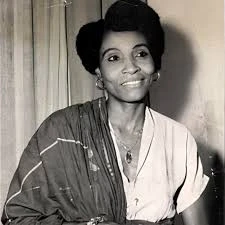
Who was she?
- Women’s rights activist and politician
- Social worker and community leader
- From Cross River State
What she did:
- Fought for Nigerian independence
- Promoted women’s political participation
- Started women’s organizations
- Worked for better social services
- Advocated for children’s welfare
Why she’s a heroine:
- Pioneered women’s involvement in politics
- Fought for independence alongside men
- Cared for community welfare
- Inspired other women to participate in politics
- GAMBO SAWABA (1933-2001)

Who was she?
- Women’s rights activist from Northern Nigeria
- Political leader and social reformer
- From Zaria, Kaduna State
What she did:
- Fought for women’s rights in Northern Nigeria
- Challenged traditional restrictions on women
- Promoted women’s education
- Advocated for women’s political participation
- Worked for social reforms
Why she’s a heroine:
- Brave to challenge traditions that limited women
- First Northern woman to actively fight for women’s rights
- Opened opportunities for Northern women
- Showed courage in conservative society
- DR. AMEYO ADADEVOH (1956-2014)
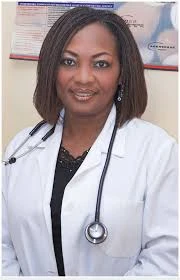
Who was she?
- Medical doctor and physician
- Senior consultant at First Consultants Medical Centre
- From Lagos State
What she did:
- Identified Nigeria’s first Ebola case in 2014
- Quarantined the patient to prevent spread
- Prevented Ebola outbreak in Nigeria
- Sacrificed her life to save millions
- Died from Ebola while treating patients
Why she’s a heroine:
- Saved Nigeria from deadly Ebola epidemic
- Sacrificed her life for others
- Showed professional dedication and courage
- Protected millions of Nigerians from disease
What We Learn from Our Heroines
Common Qualities:
- Courage to face challenges and opposition
- Leadership in difficult situations
- Dedication to helping others
- Breaking barriers for women
- Sacrificing for their communities
- Standing up for what is right
Lessons for Girls:
- Girls can be great leaders too
- Education is very important for women
- Fight for what you believe in
- Help your community and country
- Don’t let anyone stop you from achieving your dreams
Lessons for Everyone:
- Respect and support women leaders
- Women contribute greatly to society
- Courage comes in many forms
- Service to others is noble
- Nigeria has many brave women
Heroines by Time Period
Ancient Times:
- Queen Amina (1533-1610)
- Queen Ida (15th Century)
Colonial Period:
- Funmilayo Ransome-Kuti (1900-1978)
- Margaret Ekpo (1914-2006)
- Gambo Sawaba (1933-2001)
Modern Times:
- Dr. Ameyo Adadevoh (1956-2014)
Exercises
- Fill in the blanks:
- Queen Amina was the Queen of _______
- _______ was the first woman to drive a car in Nigeria
- Dr. Adadevoh saved Nigeria from _______ disease
- _______ fought for women’s rights in Northern Nigeria
- True or False:
- Queen Amina was a great warrior ( )
- Margaret Ekpo was from Cross River State ( )
- Funmilayo Ransome-Kuti was Fela’s mother ( )
- Dr. Adadevoh was a teacher ( )
- Match the heroine with what she’s famous for:
- Queen Amina → Great warrior queen
- Funmilayo Ransome-Kuti → Women’s rights activist
- Dr. Ameyo Adadevoh → Stopped Ebola outbreak
- Queen Ida → Queen Mother of Benin
- Circle the heroines who fought for women’s rights:
- Queen Amina
- Funmilayo Ransome-Kuti
- Margaret Ekpo
- Queen Ida
- Gambo Sawaba
- Dr. Ameyo Adadevoh
- What states/regions were they from?
- Queen Amina → _______ State (Zaria)
- Margaret Ekpo → _______ River State
- Gambo Sawaba → _______ State
- Dr. Adadevoh → _______ State
- Who saved Nigeria from Ebola?
- a) Queen Amina
- b) Funmilayo Ransome-Kuti
- c) Dr. Ameyo Adadevoh
- d) Margaret Ekpo
- Put these heroines in time order (earliest to latest):
- ( ) Dr. Ameyo Adadevoh
- ( ) Queen Amina
- ( ) Funmilayo Ransome-Kuti
- ( ) Queen Ida
- Match the heroine with her profession/role:
- Dr. Ameyo Adadevoh → Medical Doctor
- Funmilayo Ransome-Kuti → Teacher/Activist
- Queen Amina → Warrior Queen
- Margaret Ekpo → Social Worker/Politician
- Short Answer:
- What makes someone a heroine?
- Name 2 ancient Nigerian queens
- How did Dr. Adadevoh save Nigeria?
- What did women’s rights activists fight for?
- Complete the sentences:
- Heroines show _______ in difficult times
- They _______ for what is right
- They help their _______ and country
- They inspire _______ people
Answer Key:
- Zaria/Zazzau, Funmilayo Ransome-Kuti, Ebola, Gambo Sawaba
- True, True, True, False (doctor)
- Matching as shown above
- Circle: Funmilayo Ransome-Kuti, Margaret Ekpo, Gambo Sawaba
- Kaduna, Cross, Kaduna, Lagos
- c) Dr. Ameyo Adadevoh
- 4, 1, 3, 2 (Queen Ida, Queen Amina, Funmilayo, Dr. Adadevoh)
- Matching as shown above
- Brave woman who helps others / Queen Amina and Queen Ida / Identified and quarantined Ebola patient / Right to vote and political participation
- courage, fight, community, other
This term's Nigerian History topics
Basic 4 Third Term · 5 topics
Get Nigerian History as PDF and Word
Every week of Basic 4 Nigerian History, Third Term, formatted and ready to print. Ad-free, and the copy lock comes off.
Get this term Card, bank transfer, USSD or OPay
Basic 4 Nigerian History Lesson Notes for Other Topics
Heroes in Nigeria Environment
Read the full lesson note.
Some Nigerian Peoples - Northern Nigeria
Read the full lesson note.
Some Nigerian Peoples - Southern Nigeria
Read the full lesson note.
Important Historical Features and Sites in Southern Nigeria
Read the full lesson note.
Colonial Administration in Nigeria
Read the full lesson note.
The Early Regions in Nigeria
Read the full lesson note.

Ethnic Groups in the Four Early Regions in Nigeria
Read the full lesson note.
British Protectorate Administrative Headquarters
Read the full lesson note.

Colonial Administrative Headquarters in Nigeria
Read the full lesson note.
State Creation in Nigeria 1967
Read the full lesson note.
State Creation in Nigeria 1976 Till Date
Read the full lesson note.
Federal Capital
Read the full lesson note.
Nigeria's Federal Capital Territories - Federal Capital II
Read the full lesson note.
Lesson Notes for Other Classes

Basic 1 Lesson Note
The complete lesson note to guide your studies.

Basic 2 Lesson Note
The complete lesson note to guide your studies.

Basic 3 Lesson Note
The complete lesson note to guide your studies.

Basic 5 Lesson Note
The complete lesson note to guide your studies.
Basic 6 Lesson Note
The complete lesson note to guide your studies.
