
Heroes in Nigeria Environment – Basic 4 History Lesson Note (Third Term)
Download this term · ₦1,000Lesson note at a glance
- Subject
- History
- Class
- Basic 4
- Term
- Third Term
- Topic
- Heroes in Nigeria Environment
- Order
- Topic 1 of 5 this term
- Reading time
- 7 min
A hero is a person who shows great courage and works for the good of other people and the country.
Behavioural objectives
- Define a hero in one sentence.
- Name eight Nigerian heroes and the period each one lived.
- State at least two things each hero did for Nigeria.
- Group the heroes as traditional rulers, nationalists, a sportsman and a human rights lawyer.
- List the qualities of heroes and the lessons pupils can learn from them.
What is a hero?
A hero is someone remembered for brave and selfless deeds that help other people.
- Fights for what is right: speaks and acts against unfair treatment.
- Helps people and country: works for the good of the community.
- Shows great courage: stays brave in difficult times.
- Makes sacrifices: gives up comfort, time or even life for others.
- Makes Nigeria better: leaves the country in a better state.
- Is remembered for good deeds: people honour the name long after.
Who are the heroes in the Nigerian environment?
This note covers eight Nigerian heroes: Jaja of Opobo, Nana of Itsekiri, Herbert Macaulay, Obafemi Awolowo, Nnamdi Azikiwe, Ahmadu Bello, Samuel Okwaraji and Gani Fawehinmi.
| Hero | Years | Known as | Area |
|---|---|---|---|
| Jaja of Opobo | 1821-1891 | King and trader | Opobo, Rivers State area |
| Nana of Itsekiri | 1852-1916 | Itsekiri leader and palm oil trader | Delta State |
| Herbert Macaulay | 1864-1946 | Father of Nigerian Nationalism | Lagos |
| Obafemi Awolowo | 1909-1987 | Premier of Western Region | Ogun State |
| Nnamdi Azikiwe | 1904-1996 | First President of Nigeria | Anambra State |
| Ahmadu Bello | 1910-1966 | Sardauna of Sokoto, Premier of Northern Region | Northern Nigeria |
| Samuel Okwaraji | 1964-1989 | Footballer | Igbo background |
| Gani Fawehinmi | 1938-2009 | Lawyer and human rights activist | Ondo State |
What are the types of Nigerian heroes?
The heroes in this note fall into four groups: traditional rulers, nationalists and regional leaders, a sportsman and a human rights lawyer.
- Traditional rulers: Jaja of Opobo and Nana of Itsekiri defended their people’s trade and land.
- Nationalists and regional leaders: Herbert Macaulay, Nnamdi Azikiwe, Obafemi Awolowo and Ahmadu Bello worked for independence and development.
- Sportsman: Samuel Okwaraji served Nigeria on the football field.
- Human rights lawyer: Gani Fawehinmi defended ordinary people in court.
Who was Jaja of Opobo?
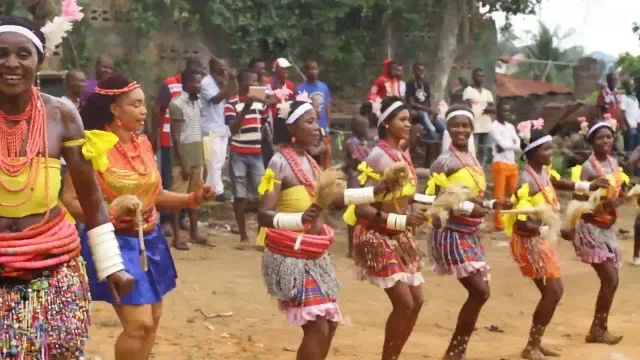
Jaja of Opobo (1821-1891) was a king and trader who resisted British control of trade.
Who was he?
- King: ruler of the Opobo Kingdom.
- Trader: a great trader and leader.
- Place: from the Rivers State area.
What did he do?
- Resisted control: fought against British control of trade.
- Protected rights: defended his people’s trading rights.
- Refused takeover: would not let the British take over his kingdom.
- Built an empire: made Opobo a strong trading kingdom.
- Exile: the British later arrested him and sent him away in 1887.
Why is he a hero?
- Brave: stood up to powerful British forces.
- Defender: protected his people’s independence.
- Wise: a smart businessman who helped his community.
Who was Nana of Itsekiri?
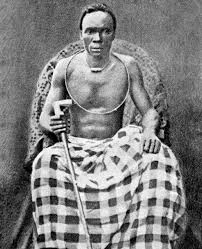
Nana of Itsekiri (1852-1916) was an Itsekiri leader and palm oil trader who resisted British interference in trade.
Who was he?
- Leader: head of the Itsekiri people.
- Trader: a powerful trader in the Delta region.
- Place: from present-day Delta State.
What did he do?
- Palm oil: controlled the palm oil trade in his area.
- Resistance: opposed British interference in trade.
- Rights: protected the rights of the Itsekiri people.
- Defence: built a strong military defence.
- Independence: fought for economic independence.
Why is he a hero?
- Defender: protected his people’s trading rights.
- Opponent of foreign rule: stood against foreign domination.
- Guardian: protected the traditional way of life.
Who was Herbert Macaulay?
Herbert Macaulay (1864-1946) was a Lagos nationalist called the “Father of Nigerian Nationalism”.
Who was he?
- Early politician: one of the first Nigerian politicians.
- Profession: a civil engineer and surveyor.
- Place: from Lagos, with a Yoruba background.
What did he do?
- Party: started the first political party in Nigeria, the Nigerian National Democratic Party (1923).
- Rights: fought for Nigerian rights under British rule.
- Newspaper: wrote and published in newspapers to educate people.
- Protests: organised protests against bad British policies.
Why is he a hero?
- Teacher: taught Nigerians to fight for their rights.
- Pioneer: began the struggle for independence.
- Educator: told people about politics.
Who was Obafemi Awolowo?
Obafemi Awolowo (1909-1987) was Premier of the Western Region who introduced free primary education.
Who was he?
- Leader: a great politician and leader.
- Office: Premier of the Western Region.
- Place: from Ogun State, with a Yoruba background.
What did he do?
- Free education: introduced free primary education in Western Nigeria (1955).
- Schools and hospitals: built many schools and hospitals.
- Rural development: started programmes for villages.
- Independence: fought for Nigerian independence.
- Economy: promoted economic development.
Why is he a hero?
- Education: gave free education to children.
- Progress: developed his region quickly.
- Care: looked after the welfare of ordinary people.
Who was Nnamdi Azikiwe?
Nnamdi Azikiwe (1904-1996) was the first President of Nigeria and a leading nationalist.
Who was he?
- President: first President of Nigeria.
- Nationalist: a great leader of the independence movement.
- Place: from Anambra State, with an Igbo background.
What did he do?
- Independence: led the fight for independence.
- Newspapers: started newspapers to educate people.
- Governor-General: became the first Nigerian Governor-General.
- President: served as President from 1963 to 1966.
- African unity: promoted African unity and pride.
Why is he a hero?
- Leader: helped lead Nigeria to independence.
- First: first Nigerian Governor-General and first President.
- Inspiration: inspired African pride and unity.
Who was Ahmadu Bello?
Ahmadu Bello (1910-1966) was the Sardauna of Sokoto and Premier of the Northern Region.
Who was he?
- Premier: head of government of the Northern Region.
- Title: Sardauna of Sokoto.
- Place: a great leader from Northern Nigeria.
What did he do?
- Development: developed Northern Nigeria quickly.
- Schools: built schools and modernised the North.
- Unity: promoted unity among different groups.
- National unity: worked for one Nigeria.
Why is he a hero?
- Moderniser: modernised Northern Nigeria.
- Developer: brought development to his region.
- Educator: promoted education and progress.
Who was Samuel Okwaraji?
Samuel Okwaraji (1964-1989) was a Nigerian footballer who died while playing for his country.

Who was he?
- Footballer: a Nigerian football (soccer) player.
- Team: played for the Nigerian national team.
- Background: Igbo.
What did he do?
- Represented Nigeria: played international football for his country.
- Tournaments: played at the 1988 Olympics and in the 1990 World Cup qualifiers.
- Death: died in 1989 while playing a match for Nigeria.
- Patriotism: showed great love and dedication.
Why is he a hero?
- Service: died serving his country in sports.
- Sacrifice: gave everything for Nigeria.
- Inspiration: inspired young Nigerian athletes.
Who was Gani Fawehinmi?
Gani Fawehinmi (1938-2009) was a famous lawyer and human rights activist who fought for justice.

Who was he?
- Lawyer: a famous lawyer and human rights activist.
- Fighter: worked for justice and fairness.
- Place: from Ondo State, with a Yoruba background.
What did he do?
- Free help: defended poor people in court for free.
- Anti-corruption: fought against corruption and injustice.
- Challenge: questioned bad government policies.
- Human rights: protected the rights of citizens.
- Books: wrote books about justice.
Why is he a hero?
- Voice: fought for the rights of ordinary people.
- Honest: stood against corruption.
- Helper: defended the poor and helpless.
What do we learn from our heroes?
Our heroes teach us courage, love for country, sacrifice and hard work.
What qualities do heroes share?
- Courage: they face difficult challenges.
- Love: they care for their people and country.
- Sacrifice: they give up things for the benefit of others.
- Fairness: they fight for what is right.
- Dedication: they work to make Nigeria better.
What lessons can pupils take from them?
- Stand up: speak and act for what is right.
- Help: be kind to other people.
- Love Nigeria: respect and serve our country.
- Work hard: keep trying to reach our goals.
- Be honest: always tell the truth.
Evaluation
- What is a hero? Give two qualities of a hero.
- Name two heroes who were traditional rulers. What did each one protect?
- Who introduced free primary education in Western Nigeria?
- Why is Herbert Macaulay called the “Father of Nigerian Nationalism”?
- How did Samuel Okwaraji show patriotism?
Assignment
Choose one Nigerian hero from this note and write five lines: who the person was, two things done, and one lesson you learnt.
This term's History topics
Basic 4 Third Term · 5 topics
Get History as PDF and Word
Every week of Basic 4 History, Third Term, formatted and ready to print. Ad-free, and the copy lock comes off.
Get this term Card, bank transfer, USSD or OPay
Basic 4 History Lesson Notes for Other Topics
Heroines in Nigeria
Read the full lesson note.

Some Nigerian Peoples - Northern Nigeria
Read the full lesson note.

Some Nigerian Peoples - Southern Nigeria
Read the full lesson note.
Important Historical Features and Sites in Southern Nigeria
Read the full lesson note.
Colonial Administration in Nigeria
Read the full lesson note.

The Early Regions in Nigeria
Read the full lesson note.
Ethnic Groups in the Four Early Regions in Nigeria
Read the full lesson note.

British Protectorate Administrative Headquarters
Read the full lesson note.

Colonial Administrative Headquarters in Nigeria (Continued)
Read the full lesson note.
State Creation in Nigeria 1967
Read the full lesson note.
State Creation in Nigeria 1976 Till Date
Read the full lesson note.
Federal Capital
Read the full lesson note.
Federal Capital II
Read the full lesson note.
Lesson Notes for Other Classes
Basic 1 Lesson Note
The complete lesson note to guide your studies.

Basic 2 Lesson Note
The complete lesson note to guide your studies.

Basic 3 Lesson Note
The complete lesson note to guide your studies.

Basic 5 Lesson Note
The complete lesson note to guide your studies.
Basic 6 Lesson Note
The complete lesson note to guide your studies.
