
Storytelling – Basic 2 English Lesson Note (Second Term)
Download Lesson NoteLesson note at a glance
- Subject
- English Studies
- Class
- Basic 2
- Term
- Second Term
- Topic
- Storytelling
- Order
- Topic 9 of 32 this term
- Reading time
- 5 min
Learning Objectives
By the end of the lesson, pupils should be able to:
- Develop understanding about the importance of storytelling
- Apply techniques of telling a story
- Create stories
Content
Why is Storytelling Important?
Benefits of Storytelling:
- Entertainment – Stories are fun and exciting
- Learning – We learn lessons from stories
- Memory – Stories help us remember information
- Imagination – Stories help us think creatively
- Communication – Stories help us share ideas
- Culture – Stories pass down traditions
- Bonding – Sharing stories brings people together
- Language – Stories improve our speaking and listening
Elements of a Good Story
1. CHARACTERS
Who is in your story?
- Main character (hero or heroine)
- Supporting characters (friends, family)
- Sometimes a problem character (villain or challenge)
Examples of Characters:
- Animals: talking rabbit, wise owl, brave lion
- People: kind girl, helpful boy, funny grandmother
- Fantasy: fairy, dragon, magic tree
2. SETTING
Where and when does your story happen?
- Place: home, school, forest, castle, farm, city
- Time: morning, night, long ago, in the future, yesterday
Examples of Settings:
- A magical forest where animals can talk
- A classroom on the first day of school
- A farm during harvest time
- Under the ocean with colorful fish
3. Problem (conflict)
What challenge does your character face?
- Lost something important
- Needs to learn a lesson
- Has to help someone
- Faces a difficult situation
Examples of Problems:
- A bird loses its way home
- A child is afraid of the dark
- Friends have an argument
- Someone needs help but is too proud to ask
4. SOLUTION
How does the character solve the problem?
- Works hard to fix it
- Gets help from friends
- Learns something new
- Shows kindness or bravery
5. Lesson (theme)
What do we learn from the story?
- Be kind to others
- Don’t give up
- Honesty is important
- Sharing makes us happy
- Everyone is special
Story Structure
BEGINNING
- Introduce the main character
- Tell where and when the story happens
- Start with an interesting opening
Good Opening Lines:
- “Once upon a time…”
- “Long ago in a faraway land…”
- “There once was a little girl named…”
- “In a beautiful forest…”
- “One sunny morning…”
MIDDLE
- Present the problem
- Show what the character tries to do
- Build excitement
- Add details and action
END
- Solve the problem
- Show how characters feel
- Share the lesson learned
- End with a satisfying conclusion
Good Ending Lines:
- “And they lived happily ever after.”
- “From that day on…”
- “The little boy learned that…”
- “Everyone was happy and safe.”
- “And that’s how they became best friends.”
Storytelling Techniques
1. Use your voice
- Change your voice for different characters
- Speak loudly during exciting parts
- Speak softly during quiet, mysterious parts
- Use different speeds – fast for action, slow for suspense
2. Use your body
- Hand gestures to show size, direction, actions
- Facial expressions to show emotions
- Body movements to act out parts of story
- Eye contact to connect with your audience
3. Use descriptive words
- Size words: tiny, enormous, gigantic
- Color words: bright red, deep blue, golden yellow
- Sound words: crash, whisper, roar, giggle
- Feeling words: excited, worried, proud, surprised
4. Create suspense
- Pause before exciting parts
- Ask questions: “What do you think happened next?”
- Use your voice to build excitement
- Keep some information secret until the end
Sample Story Creation
Let’s Create a Story Together:
- Choose a Character: A little mouse named Pip 2. Choose a Setting: In a big library
3. Create a Problem: Pip loves to read but the books are too big 4. Find a Solution: Pip discovers tiny books made just for mice 5. Add a Lesson: Everyone can find something perfect for them
“Pip’s Big Discovery”
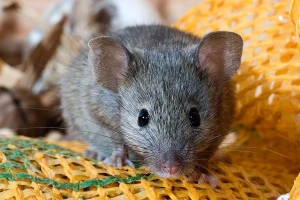
Once upon a time, there was a tiny mouse named Pip who lived in the corner of a big library. Every day, Pip watched the children read wonderful stories, and he wished he could read too. But all the books were enormous – much too big for a little mouse!
One day, Pip was exploring behind the librarian’s desk when he discovered something amazing. Hidden in a small box were tiny books, perfect for mouse paws! The librarian, Mrs. Chen, had made them especially for the library mice.
From that day on, Pip read every morning before the library opened. He learned about faraway places, brave adventures, and funny jokes. Pip discovered that no matter how small you are, there’s always a perfect book waiting for you.
And Pip lived happily ever after, reading his tiny books and sharing stories with his mouse friends.
Story Creation Activity
Create Your Own Story:
Step 1: Choose your character
- What kind of character? (animal, person, fantasy creature)
- What is their name?
- What do they look like?
- What do they like to do?
Step 2: Choose your setting
- Where does your story happen?
- What does this place look like?
- When does it happen? (time of day, season)
Step 3: Create a problem
- What challenge will your character face?
- Why is this a problem for them?
- How does it make them feel?
Step 4: Plan the solution
- How will your character solve the problem?
- Who might help them?
- What will they learn?
Step 5: Add the lesson
- What important message does your story teach?
- How will readers feel after hearing it?
Types of Stories for Primary 2
1. Animal stories
- Talking animals with human problems
- Lessons about friendship, sharing, kindness
- Examples: “The Tortoise and the Hare,” “The Three Little Pigs”
2. Family stories
- Stories about home, siblings, parents, grandparents
- Lessons about love, respect, helping family
- Examples: helping with chores, family traditions
3. School stories
- First day of school, making friends, learning new things
- Lessons about courage, trying your best, being kind
- Examples: nervous about school, helping classmates
4. Adventure stories
- Characters go on exciting journeys
- Lessons about bravery, problem-solving, teamwork
- Examples: treasure hunts, exploring new places
5. Magical stories
- Fantasy elements like fairies, magic, talking objects
- Lessons about believing in yourself, using power wisely
- Examples: magic wishes, enchanted forests
This term's English Studies topics
Basic 2 Second Term · 32 topics
- Colours and Matching
- Grammar: Sentence Types
- Vocabulary Building: New Words and Reading
- Phonics: Consonant Sound Clusters
- Oral and Written Comprehension
- Storytelling
- Grammar: Present, Past and Future Actions (Tenses)
- Supplementary Reading
- Vocabulary Building: New Words and Meaning
- Poems and Rhymes
- Speech Work: Phonemic Awareness, Vowel Sounds /i/ /i:/, /Ɪ/, /I:/
Second Term English Studies Lesson Notes for Other Topics
Vocabulary: Basic Word Categories
Read the full lesson note.
Reading: Poem Recitation
Read the full lesson note.

Writing: Six Letter Words
Read the full lesson note.

Phonics: Pronunciation Practice III
Read the full lesson note.

Vocabulary: Synonyms, Antonyms & Homonyms
Read the full lesson note.
Reading: Simple Text & Questions
Read the full lesson note.
Writing: Making Strokes to Form Letters
Read the full lesson note.

Phonics: M-P Words Pronunciation
Read the full lesson note.
Structure: Asking Questions
Read the full lesson note.

Vocabulary: New Words IV
Read the full lesson note.
Reading: Simple Text & Questions
Read the full lesson note.
Writing: (Complete Sentences Using M-P Words)
Read the full lesson note.
Supplementary Reading: Parts of a Book
Read the full lesson note.
Structure: Further Practice on Asking Questions
Read the full lesson note.
Vocabulary: New Words V
Read the full lesson note.
Lesson Notes for Other Classes

Basic 1 Lesson Note
The complete lesson note to guide your studies.

Basic 3 Lesson Note
The complete lesson note to guide your studies.

Basic 4 Lesson Note
The complete lesson note to guide your studies.

Basic 5 Lesson Note
The complete lesson note to guide your studies.

Basic 6 Lesson Note
The complete lesson note to guide your studies.

JSS1 Lesson Note
The complete lesson note to guide your studies.

