
Fire Outbreak – Basic 1 Security Education Lesson Note (Third Term)
Download this term · ₦1,000Lesson note at a glance
- Subject
- Security Education
- Class
- Basic 1
- Term
- Third Term
- Topic
- Fire Outbreak
- Order
- Topic 2 of 7 this term
- Reading time
- 3 min
Fire outbreak is when fire starts and spreads. Fire burns things and can hurt people, so it is very dangerous and we must be very careful with it. Fire can start from matches, candles, electrical problems and cooking. If there is fire, shout for help, run out and tell an adult to call the fire service.
Behavioural objectives
By the end of the lesson, students should be able to:
- say what a fire outbreak is
- name some causes of fire outbreak
- name places where fire outbreak can happen
- say what to do if there is fire
- say how to prevent fire
What is fire outbreak?

- Fire outbreak is when fire starts and spreads.
- Fire burns things and can hurt people.
- Fire is very dangerous.
- We must be very careful with fire.
What causes fire outbreak?
Fire can start in many ways. Here are six common causes.
1. Playing with matches or lighters
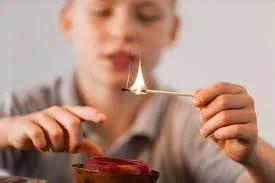
- Children should never play with matches.
- Matches can start a fire.
- Keep matches away from children.
2. Leaving candles burning
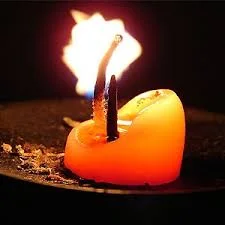
- When candles are left alone, they can fall and cause fire.
- Always put out candles before sleeping.
3. Electrical problems
- Too many plugs in one socket
- Old or broken wires
- These can cause fire.
4. Cooking and leaving the kitchen
- When you cook and walk away, food can burn and cause fire.
- Always watch when cooking.
5. Playing near the fire or stove
- Children playing near the kitchen fire can knock over hot things.
- This is very dangerous.
6. Putting cloth near fire
- Curtains near candles
- Clothes near the stove
- They can catch fire.
Where can fire outbreak happen?
Fire can happen in many places.
1. At home
- Kitchen: because of cooking
- Living room: because of candles or electrical items
- Bedroom: because of candles or heaters
- Store room: because of old things that can burn
2. At school
- Science laboratory
- Kitchen
- Electrical room
3. In the market
- Where people cook
- Where fuel is sold
- Near generators
4. In the bush
- Dry grass can catch fire easily.
- This is more likely during the dry season.
What should you do if there is fire?
- Shout “FIRE! FIRE!”
- Alert everyone.
- Call for help loudly.
- Run out of the building
- Don’t hide.
- Leave everything.
- Go outside quickly.
- Don’t go back inside
- Do not go back even for your toys.
- Wait for adults and firefighters.
- Call the emergency number
- The Nigerian emergency number is 112.
- Tell an adult to call the fire service.
- Stop, drop and roll (if your clothes catch fire)
- Stop running.
- Drop to the ground.
- Roll over and over.
How can we prevent fire?
- Don’t play with matches or lighters.
- Keep away from the stove and the kitchen fire unless an adult is with you.
- Turn off electrical items when not in use.
- Don’t leave candles burning.
- If you see fire or smoke, tell an adult at once. Do not try to put out the fire yourself.
- Listen to your parents’ safety rules.
Evaluation
Choose the correct answer.
- Fire outbreak is when fire _____.
a) goes off
b) starts and spreads
c) is small - Children should _____ play with matches.
a) always
b) never
c) sometimes - Fire can start in the kitchen because of _____.
a) cooking
b) reading
c) sleeping - If there is fire, we should _____.
a) hide
b) run out
c) go closer - We should _____ go back inside a burning building.
a) always
b) never
c) quickly
Answer key for teachers
1 b, 2 b, 3 a, 4 b, 5 b
Assignment
- Draw a fire and put an X on it (showing fire is dangerous).
- Tell your parents 3 causes of fire.
- With an adult watching, practise shouting “FIRE! FIRE!” at home.
- Write: Don’t play with matches.
This term's Security Education topics
Basic 1 Third Term · 7 topics
Get Security Education as PDF and Word
Every week of Basic 1 Security Education, Third Term, formatted and ready to print. Ad-free, and the copy lock comes off.
Get this term Card, bank transfer, USSD or OPay
Basic 1 Security Education Lesson Notes for Other Topics
Road Accident
Read the full lesson note.
Relationship with Strangers
Read the full lesson note.
Eating Contaminated Food
Read the full lesson note.

Fake Drugs
Read the full lesson note.
Drug Abuse
Read the full lesson note.
Gangs
Read the full lesson note.
Concept of Security
Read the full lesson note.
Concept of Security II
Read the full lesson note.
Sources of Insecurity
Read the full lesson note.
Security Alert Signs
Read the full lesson note.
Security Colours
Read the full lesson note.
Security Gadgets
Read the full lesson note.
Home Security
Read the full lesson note.
Office Security
Read the full lesson note.
Personal Security
Read the full lesson note.
Lesson Notes for Other Classes

Basic 2 Lesson Note
The complete lesson note to guide your studies.

Basic 3 Lesson Note
The complete lesson note to guide your studies.

Basic 4 Lesson Note
The complete lesson note to guide your studies.

Basic 5 Lesson Note
The complete lesson note to guide your studies.

Basic 6 Lesson Note
The complete lesson note to guide your studies.
