Civil Rule in Nigeria: Second Republic (1979-1983) – Basic 6 History Lesson Note (First Term)
Download Lesson NoteLesson note at a glance
- Subject
- History
- Class
- Basic 6
- Term
- First Term
- Topic
- Civil Rule in Nigeria: Second Republic (1979-1983)
- Order
- Topic 2 of 5 this term
- Reading time
- 5 min
Learning Objectives
By the end of the lesson, pupils should be able to:
- Give the names of political parties in the Second Republic and their leaders
- List the features of the presidential system of government
- Examine the achievements under the Second Republic of Shehu Shagari
- Explain why the Second Republic fell
- Explain the process of return to civil rule
Content
Nigeria’s Second Republic (1979-1983): The Second Republic began on October 1, 1979, when military rule ended and civilian government returned. It ended on December 31, 1983, with another military coup.
Political Parties and Leaders in the Second Republic:
- National Party of Nigeria (NPN)
- Presidential Candidate: Alhaji Shehu Shagari
- Ideology: Moderate, national unity
- Support Base: Northern Nigeria, Middle Belt, some Eastern areas
- Party Leader: Various leaders including Adamu Ciroma
- Unity Party of Nigeria (UPN)
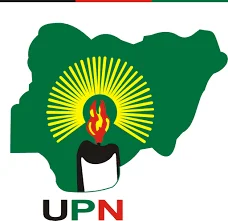
- Presidential Candidate: Chief Obafemi Awolowo
- Ideology: Democratic socialism
- Support Base: Yorubaland (Western Nigeria)
- Focus: Free education, welfare state
- Nigerian People’s Party (NPP)
- Presidential Candidate: Dr. Nnamdi Azikiwe
- Ideology: Pragmatic nationalism
- Support Base: Eastern Nigeria, some Middle Belt areas
- Later formed accord with NPN
- Great Nigerian People’s Party (GNPP)
- Presidential Candidate: Alhaji Waziri Ibrahim
- Ideology: Progressive conservatism
- Support Base: Parts of Northern Nigeria, Borno State
- People’s Redemption Party (PRP)
- Presidential Candidate: Mallam Aminu Kano
- Ideology: Socialist, pro-talakawa (masses)
- Support Base: Kano State and some northern areas
Features of Presidential System of Government:
- President as Head of State and Government
- Combines both ceremonial and executive functions
- Elected directly by the people
- Serves as commander-in-chief of armed forces
- Unlike parliamentary system where roles are separated
- Separation of Powers
- Executive: President and his cabinet
- Legislative: National Assembly (Senate and House of Representatives)
- Judicial: Supreme Court and other courts
- Each branch has distinct functions and checks the others
- Fixed Term of Office
- President serves for a specific period (4 years)
- Cannot be easily removed like a Prime Minister
- Impeachment requires serious constitutional violations
- Electoral College System
- President must win overall majority
- Must also win at least 25% of votes in 2/3 of states
- If no candidate meets criteria, there’s a runoff
- Cabinet Appointments
- President appoints ministers (commissioners)
- Appointments subject to legislative confirmation
- Ministers responsible to President, not legislature
- Federalism
- Division of powers between federal and state governments
- States have their own governors and assemblies
- Local government system recognized
President Shehu Shagari (1979-1983):
Background:
- Born 1925 in Sokoto State
- Former teacher and civil servant
- Member of Northern People’s Congress in First Republic
- Minister of Economic Development (1965-1966)
Major Achievements of Shagari’s Administration:
- Educational Development
- Universal Primary Education (UPE): Free primary education nationwide
- Established Federal Universities in each state
- Expanded technical and vocational education
- Adult literacy programs
- Economic Projects
- Green Revolution: Agricultural development program
- River Basin Development Authorities
- Steel plants in Ajaokuta and Warri
- Petrochemical industries
- Infrastructure Development
- New Federal Capital: Moved capital from Lagos to Abuja
- Expanded road networks
- Airport construction and modernization
- Telecommunications improvements
- Foreign Policy
- Maintained Nigeria’s leadership role in Africa
- Continued support for liberation movements
- Non-aligned foreign policy
- Strengthened relationships with neighboring countries
- Democratic Consolidation
- Maintained democratic institutions
- Allowed press freedom
- Respected opposition parties
- Conducted regular elections
Reasons for the Fall of the Second Republic:
- Massive Corruption
- “Rice Scandal”: Importation controversies
- Contract inflation and kickbacks
- Misappropriation of public funds
- Leaders became extremely wealthy while people suffered
- Economic Crisis
- High inflation and unemployment
- Oil Glut: Reduced oil revenues from 1981
- Balance of payments problems
- Austerity measures affected common people
- Electoral Malpractices
- 1983 Elections: Widespread rigging
- Violence during campaigns and voting
- Falsification of results
- Loss of public confidence in electoral process
- Religious and Ethnic Tensions
- Maitatsine Riots: Religious violence in northern cities
- Ethnic conflicts in various states
- Religious dimension to politics
- Weak response to communal violence
- Poor Governance
- Ineffective implementation of policies
- Bureaucratic bottlenecks
- Poor service delivery
- Infrastructure decay
- Security Challenges
- Rising crime rates
- Armed robbery increased
- Border security problems
- Chad/Libya border conflicts affected Nigeria
Process of Return to Civil Rule (1976-1979):
- Constitutional Committee (1975-1976)
- Justice Udo Udoma led committee
- Drafted new constitution
- Recommended presidential system
- Public participation in constitution-making
- Constituent Assembly (1977-1978)
- 230 elected members plus 20 appointed
- Debated constitutional proposals
- Major debates on Sharia law
- Federal character principle adopted
- Political Party Formation (1978)
- Registration of political parties
- Parties required to be national in character
- Must have offices in at least 2/3 of states
- 5 parties eventually registered
- Transition Program (1978-1979)
- Local Government Elections (1976)
- State Elections (July 1979)
- Federal Elections (August 1979)
- Gradual transfer of power from military
- Constitutional Features
- Federal character in appointments
- Revenue allocation formula
- Fundamental human rights
- Independent judiciary
Activities
- Compare the parliamentary and presidential systems using a chart
- Create profiles of the five political parties and their leaders
- Timeline of the transition from military to civilian rule
- Discussion on why corruption undermines democracy
Multiple Choice Questions
- The Second Republic lasted from: a) 1975-1983 b) 1979-1983 c) 1979-1985 d) 1976-1983
- Who was the first executive President of Nigeria? a) Nnamdi Azikiwe b) Shehu Shagari c) Obafemi Awolowo d) Aminu Kano
- How many political parties contested in the Second Republic? a) Three b) Four c) Five d) Six
- The Universal Primary Education program was implemented by: a) Tafawa Balewa b) Yakubu Gowon c) Shehu Shagari d) Murtala Mohammed
- The Second Republic collapsed mainly due to: a) Military invasion b) Corruption and economic crisis c) Foreign interference d) Natural disasters
Homework
Compare the First and Second Republics by creating a table showing: (1) System of government, (2) Major leaders, (3) Key achievements, (4) Reasons for collapse. Write a paragraph explaining which republic you think was more successful and why.
This term's History topics
Basic 6 First Term · 5 topics
- Civil Rule in Nigeria First Republic: 1960-1966
- Civil Rule in Nigeria: Second Republic (1979-1983)
- Military Rule in Nigeria: Major General J.T.U Aguyi Ironsi
- Military Rule in Nigeria: General Yakubu Gowon
- Military Rule in Nigeria: Muritala/Obasanjo
First Term History Lesson Notes for Other Topics
Introduction to History
Read the full lesson note.

Historical Origin of Peoples in Lagos State
Read the full lesson note.
People in the Community
Read the full lesson note.

Important Places of History in Lagos State
Read the full lesson note.
Family History
Read the full lesson note.
Geopolitical Zones of Nigeria
Read the full lesson note.
South-South Geopolitical Zone (Ancient) Continued
Read the full lesson note.
South-west Geo-political zone People (Ancient & Modern)
Read the full lesson note.
South-west Geopolitical zone in Nigeria (Ancient)
Read the full lesson note.
South-south Geopolitical zone in Nigeria (Modern)
Read the full lesson note.
South-East Geopolitical Zone (Modern)
Read the full lesson note.
North-East Geopolitical Zone Peoples (Modern)
Read the full lesson note.

South-East Geopolitical Zone Peoples (Ancient) Continued
Read the full lesson note.

North-Central Geopolitical Zone
Read the full lesson note.
North-west Geopolitical Zone
Read the full lesson note.
Lesson Notes for Other Classes

Basic 1 Lesson Note
The complete lesson note to guide your studies.

Basic 2 Lesson Note
The complete lesson note to guide your studies.

Basic 3 Lesson Note
The complete lesson note to guide your studies.

Basic 4 Lesson Note
The complete lesson note to guide your studies.

Basic 5 Lesson Note
The complete lesson note to guide your studies.

JSS1 Lesson Note
The complete lesson note to guide your studies.