
Traditional Occupations of Nigerian People Southern Nigeria – Basic 5 Nigerian History Lesson Note (Third Term)
Download this term · ₦1,000Lesson note at a glance
- Subject
- Nigerian History
- Class
- Basic 5
- Term
- Third Term
- Topic
- Traditional Occupations of Nigerian People Southern Nigeria
- Order
- Topic 7 of 9 this term
- Reading time
- 4 min
Learning Objectives
By the end of this lesson, pupils should be able to:
- Mention the Nigerian peoples in Southern Nigeria
- Name the various traditional occupations in Southern Nigeria
- Describe the various traditional occupations in Southern Nigeria and their benefits
- Examine the interconnectivity of occupations in Nigeria
- Relate the importance of these occupations to growth and development
Nigerian Peoples in Southern Nigeria
Southern Nigeria is home to many different ethnic groups, each with their own unique cultures and traditions:
South-West (Yorubaland)
- Yoruba people: Including Egba, Ijebu, Oyo, Ondo, Ekiti, and Osun groups
- Found in Lagos, Ogun, Oyo, Osun, Ondo, Ekiti states
South-East (Igboland)
- Igbo people: Including Ndi-Igbo subgroups
- Found in Anambra, Enugu, Imo, Abia, Ebonyi states
South-South (Niger Delta)
- Ijaw people: The largest group in the Niger Delta
- Efik and Ibibio people: Found in Cross River and Akwa Ibom
- Urhobo and Itsekiri people: Found in Delta state
- Edo people: Found in Edo state
- Ogoni people: Found in Rivers state
Traditional Occupations in Southern Nigeria
1. Farming (Agriculture)
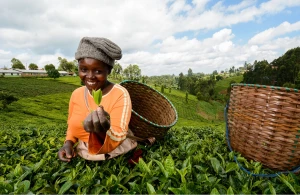
- What they do: Grow crops like yam, cassava, cocoa, palm oil, plantain, and vegetables
- Benefits: Provides food for families and communities, creates income through selling crops
2. Trading and Commerce
- What they do: Buy and sell goods in local and distant markets
- Benefits: Spreads goods across different regions, creates wealth and business connections
3. Fishing

- What they do: Catch fish from rivers, lagoons, and the Atlantic Ocean
- Benefits: Provides protein-rich food, supports coastal communities’ livelihood
4. Palm Wine Tapping
- What they do: Extract palm wine from palm trees
- Benefits: Provides local drink for ceremonies and daily consumption
5. Blacksmithing
- What they do: Make tools, weapons, and farm equipment from iron
- Benefits: Provides essential tools for farming and daily life
6. Wood Carving
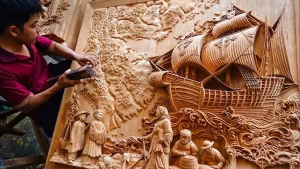
- What they do: Create masks, sculptures, drums, and furniture from wood
- Benefits: Preserves cultural art, provides decorative and functional items
7. Cloth Weaving and Dyeing
- What they do: Make traditional textiles like Adire, Akwete, and George wrapper
- Benefits: Creates beautiful clothing, preserves cultural identity
8. Pottery
- What they do: Make clay pots, water containers, and cooking utensils
- Benefits: Provides household items, preserves traditional skills
9. Bronze and Brass Casting
- What they do: Create artistic works and ceremonial items from bronze and brass
- Benefits: Produces valuable art pieces, maintains cultural heritage
10. Hunting

- What they do: Hunt wild animals for food and materials
- Benefits: Provides meat and animal products for communities
11. Salt Making

- What they do: Extract salt from seawater and salt lakes
- Benefits: Provides essential seasoning and preservation material
The Interconnectivity of Occupations in Nigeria
Traditional occupations in Southern Nigeria are connected like a big network where everyone depends on each other:
Farmer-Trader Connection
- Farmers grow crops and sell to traders
- Traders transport crops to different markets
- Both benefit from this relationship
Blacksmith-Farmer Connection
- Blacksmiths make hoes, cutlasses, and other farming tools
- Farmers use these tools to grow crops
- Farmers pay blacksmiths with crops or money
Fisher-Trader Connection
- Fishermen catch fish from rivers and sea
- Traders buy fish and sell in inland markets
- People in farming areas get fish, coastal people get farm products
Weaver-Dyer Connection
- Weavers make cloth
- Dyers add beautiful colors using local plants
- Together they create finished textiles
Hunter-Community Connection
- Hunters provide meat for festivals and ceremonies
- Community members trade other goods for meat
- This strengthens social bonds
Cross-Regional Trade
- Yoruba traders take kola nuts to the North
- Northern traders bring cattle and leather goods South
- This creates unity across different regions
Importance of Traditional Occupations to Growth and Development
Economic Development
- Created the first markets and trade routes in Nigeria
- Provided foundation for modern Nigerian economy
- Generated wealth and prosperity for communities
- Established banking systems through trade credit
Social Development
- Brought different ethnic groups together through trade
- Created friendships and marriages between communities
- Developed common languages for trading (like Hausa in markets)
- Built trust and cooperation between different peoples
Cultural Development
- Preserved important Nigerian traditions and skills
- Created beautiful art and crafts that represent our identity
- Developed unique Nigerian music, dance, and festivals
- Maintained connection to our ancestors and history
Technological Development
- Led to innovations in farming, fishing, and craft-making
- Developed new techniques for processing palm oil and other products
- Created better tools and methods for different occupations
- Laid foundation for modern industries
Infrastructure Development
- Created trade routes that became modern roads
- Established market centers that grew into cities
- Built river transport systems
- Developed communication networks between communities
Food Security
- Ensured communities had diverse food sources
- Created systems for storing and preserving food
- Developed knowledge about local plants and crops
- Maintained agricultural biodiversity
Summary
The traditional occupations of Southern Nigerian peoples – including farming, trading, fishing, crafts, and many others – formed the backbone of Nigerian society. These occupations were interconnected, with each group depending on others for different goods and services. Together, they contributed to Nigeria’s economic growth, social unity, cultural preservation, and technological advancement. Understanding these traditional occupations helps us appreciate how our ancestors built the foundation for modern Nigeria through hard work, creativity, and cooperation.
This term's Nigerian History topics
Basic 5 Third Term · 9 topics
- Nigerian Independence
- Nigerian Independence Republic and Federation
- Traditional Religion in Nigeria
- Islam in Nigeria
- Christianity in Nigeria
- Traditional Occupations in the Locality-Lagos State
- Traditional Occupations of Nigerian People Southern Nigeria
- Traditional Occupations of Nigerian People Northern Nigeria
- Adjective and Adverb Puzzles
Get Nigerian History as PDF and Word
Every week of Basic 5 Nigerian History, Third Term, formatted and ready to print. Ad-free, and the copy lock comes off.
Get this term Card, bank transfer, USSD or OPay
Basic 5 Nigerian History Lesson Notes for Other Topics

Nigerian Independence
Read the full lesson note.

Nigerian Independence Republic And Federation
Read the full lesson note.

Traditional Religion In Nigeria
Read the full lesson note.
Islam In Nigeria
Read the full lesson note.

Christianity In Nigeria
Read the full lesson note.
Traditional Occupations In The Locality-Lagos State
Read the full lesson note.
Traditional Occupations Of Nigerian People Northern Nigeria
Read the full lesson note.

Adjective And Adverb Puzzles
Read the full lesson note.

British Rule In Nigeria
Read the full lesson note.

British Rule In Nigeria 2
Read the full lesson note.

British Rule In Nigeria 3
Read the full lesson note.

Meaning Of A Constitution
Read the full lesson note.

Detailed Study Of Major Constitutions
Read the full lesson note.

British Rule In Nigeria, Traditional Nationalism, And Resistances
Read the full lesson note.
The Royal Niger Company
Read the full lesson note.
Lesson Notes for Other Classes

Basic 1 Lesson Note
The complete lesson note to guide your studies.

Basic 2 Lesson Note
The complete lesson note to guide your studies.

Basic 3 Lesson Note
The complete lesson note to guide your studies.

Basic 4 Lesson Note
The complete lesson note to guide your studies.

Basic 6 Lesson Note
The complete lesson note to guide your studies.
