
Crop Production – Basic 5 Agricultural Science Lesson Note (First Term)
Download this term · ₦1,000Lesson note at a glance
- Subject
- Agricultural Science
- Class
- Basic 5
- Term
- First Term
- Topic
- Crop Production
- Order
- Topic 1 of 9 this term
- Reading time
- 3 min

Learning objectives
By the end of the lesson, pupils should be able to:
- Define crop production
- Identify different types of crops
- Classify crops based on uses, life cycle and morphology
Previous knowledge
Pupils have basic knowledge of plants and farming from their environment and previous lessons.
INTRODUCTION
Agriculture is very important in Nigeria and many other countries. Today we will learn about crop production, which is a major part of agriculture that helps provide food for people.
Lesson content
1. Definition of crop production
Crop production is the practice of growing plants for food, fiber, fuel, or other useful purposes. It involves all the activities from preparing the land to harvesting the crops.
Examples of activities in crop production include:
- Land preparation
- Planting seeds
- Watering plants
- Applying fertilizers
- Weeding
- Pest control
- Harvesting
2. Types of crops
Crops can be grouped into different categories:
- Food Crops These are crops grown primarily for human consumption:
- Cereals: maize, rice, wheat, millet, sorghum
- Root crops: yam, cassava, sweet potato, cocoyam
- Legumes: beans, groundnut, cowpea, soybean
- Vegetables: tomato, pepper, onion, okra, spinach
- Fruits: orange, mango, banana, pineapple, watermelon
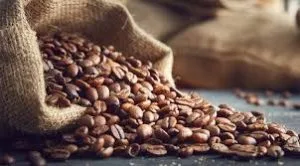
2. Cash Crops These are crops grown mainly for sale to earn money:
- Cocoa
- Cotton
- Rubber
- Oil palm
- Coffee
- Tobacco
3. Industrial Crops These are crops used as raw materials for industries:

- Cotton (textile industry)
- Oil palm (soap, cooking oil)
- Sugarcane (sugar production)
- Rubber (tire manufacturing)
3. Classification of crops
- CLASSIFICATION BASED ON USES
- Food Crops: Grown for human consumption (rice, yam, beans)
- Feed Crops: Grown to feed animals (guinea grass, elephant grass)
- Fiber Crops: Grown for making clothes and ropes (cotton, jute)
- Oil Crops: Grown for oil extraction (palm oil, groundnut, coconut)
- Beverage Crops: Used to make drinks (cocoa, coffee, tea)
- Spice Crops: Used for flavoring food (ginger, pepper, garlic)
- CLASSIFICATION BASED ON LIFE CYCLE
- Annual Crops: Complete their life cycle in one year
- Examples: maize, rice, beans, tomato, pepper
- Biennial Crops: Complete their life cycle in two years
- Examples: carrot, onion, cabbage
- Perennial Crops: Live for many years and produce crops repeatedly
- Examples: mango, orange, oil palm, cocoa, cashew
- CLASSIFICATION BASED ON MORPHOLOGY (Plant Structure)
- Cereals: Crops with grass-like appearance that produce grains
- Examples: rice, maize, wheat, millet, sorghum
- Legumes: Crops that produce seeds in pods and can fix nitrogen
- Examples: beans, groundnut, cowpea, soybean
- Root and Tuber Crops: Crops grown for their underground parts
- Examples: yam, cassava, sweet potato, carrot
- Tree Crops: Woody plants that grow tall with branches
- Examples: mango, orange, cocoa, oil palm
- Vegetable Crops: Soft-stemmed plants grown for leaves, fruits, or roots
- Examples: spinach, cabbage, tomato, cucumber
Evaluation questions
- What is crop production?
- Mention three activities involved in crop production
- Give two examples each of:
- Food crops
- Cash crops
- Industrial crops
- What is the difference between annual and perennial crops?
- Give three examples of legume crops
- Classify the following crops based on their uses: cocoa, rice, cotton, beans
- Name two crops that are classified as root and tuber crops
- What type of crops are maize and rice based on morphology?
ASSIGNMENT
- Visit a farm or garden near your home and identify five different types of crops
- Classify these crops based on their uses and life cycle
- Draw and label two examples each of cereals and legumes
CONCLUSION
Crop production is essential for providing food and raw materials for industries. Understanding how to classify crops helps us know their uses and how to manage them properly. Different crops have different growing requirements and uses in our daily lives.
REFERENCES
- Primary Agricultural Science Textbook for Primary 6
- Nigerian Agricultural Development Programme Materials
- Local farming practices and observations
This term's Agricultural Science topics
Basic 5 First Term · 9 topics
Get Agricultural Science as PDF and Word
Every week of Basic 5 Agricultural Science, First Term, formatted and ready to print. Ad-free, and the copy lock comes off.
Get this term Card, bank transfer, USSD or OPay
First Term Agricultural Science Lesson Notes for Other Topics
Preservation of Farm Produce
Read the full lesson note.

Factors that may Hinder Preservation
Read the full lesson note.
Methods of Preserving the Farm Produce; Sun Drying, Smoking
Read the full lesson note.
Preservation of Grains and Cereals Crops
Read the full lesson note.
Preservation of Roots and Tubers Crops
Read the full lesson note.
Preservation of Fruits: Orange, Banana, Tomatoes, Pawpaw...
Read the full lesson note.

Conservation of Oil Crops: Soya Bean, Oil Palm, Groundnut
Read the full lesson note.
Preservation of Vegetables
Read the full lesson note.

Health And Safety
Read the full lesson note.
Procedures For Crop Production
Read the full lesson note.
Planting Activities
Read the full lesson note.
Post-Planting Activities
Read the full lesson note.
Post-Harvesting Activities; Sorting, Grading, And Storage
Read the full lesson note.
Harvesting Activities
Read the full lesson note.
Preservation Of Harvested Crops; Silo, Crib, Yam Barn, Bagging
Read the full lesson note.
Lesson Notes for Other Classes

Basic 1 Lesson Note
The complete lesson note to guide your studies.

Basic 2 Lesson Note
The complete lesson note to guide your studies.

Basic 3 Lesson Note
The complete lesson note to guide your studies.

Basic 4 Lesson Note
The complete lesson note to guide your studies.

Basic 6 Lesson Note
The complete lesson note to guide your studies.

JSS1 Lesson Note
The complete lesson note to guide your studies.
