
Prevention Of Common Diseases Basic 3 Social Studies Lesson Note
Download Lesson NoteTopic: Prevention Of Common Diseases
- WHAT IS DISEASE PREVENTION?
Disease prevention means stopping sickness before it happens.
Simple definition: Prevention is doing things to keep ourselves healthy so we don’t get sick.
Why prevention is important:
- It’s better to prevent sickness than to treat it
- Prevention saves money on medicines
- Healthy people are happier and stronger
- Prevention protects families and communities
- Prevents spread of diseases to others
Famous saying: “Prevention is better than cure”
Types of prevention:
- Personal prevention – things you do for yourself
- Family prevention – things families do together
- Community prevention – things the whole community does
- PERSONAL HYGIENE FOR DISEASE PREVENTION
HAND WASHING
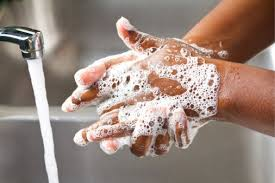
Most important prevention method:
When to wash hands:
- Before eating any food
- After using the toilet
- After playing outside
- After touching animals
- After coughing or sneezing
- Before cooking or serving food
How to wash hands properly:
- Use clean water and soap
- Rub hands together for 20 seconds
- Clean between fingers and under nails
- Rinse with clean water
- Dry with clean towel or air dry
Example: Kemi always washes her hands before eating lunch at school. She never gets stomach problems like her friends who don’t wash their hands.
- BODY CLEANLINESS
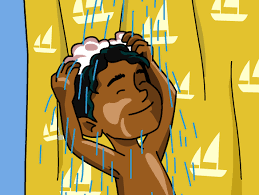
Keeping your body clean:
Daily hygiene habits:
- Take bath or shower daily
- Brush teeth twice a day (morning and night)
- Wash hair regularly (2-3 times per week)
- Cut fingernails and toenails short
- Wear clean clothes every day
- Change underwear daily
Why body cleanliness prevents disease:
- Removes germs from skin
- Prevents skin infections
- Keeps teeth and gums healthy
- Reduces body odor
- Makes you feel good about yourself
Example: Tolu brushes his teeth every morning and night. He has strong, healthy teeth with no cavities.
- MOUTH AND NOSE HYGIENE
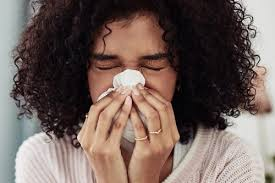
Preventing respiratory diseases:
Good practices:
- Cover mouth when coughing
- Cover nose when sneezing
- Use handkerchief or tissue
- Don’t spit in public places
- Brush teeth to prevent mouth infections
- Don’t share drinking cups
Example: When Ada feels like sneezing, she covers her nose with her handkerchief so she doesn’t spread germs to her friends.
- ENVIRONMENTAL HYGIENE
- CLEAN WATER
Safe water prevents many diseases:
Water safety rules:
- Drink only clean, safe water
- Boil water if you’re not sure it’s clean
- Store water in clean containers
- Cover water containers to keep out dirt
- Don’t drink from puddles or dirty sources
Diseases prevented by clean water:
- Cholera
- Typhoid fever
- Dysentery
- Diarrhea
- Hepatitis A
Example: The Okoro family always boils their water before drinking. They never get waterborne diseases.
- FOOD SAFETY
Safe food prevents stomach diseases:
Food safety rules:
- Wash fruits and vegetables before eating
- Cook food thoroughly
- Eat food while still hot
- Cover food to protect from flies
- Don’t eat food left out for too long
- Keep raw and cooked foods separate
Foods to be careful with:
- Raw meat and fish
- Unwashed fruits and vegetables
- Food bought from street vendors
- Food that smells bad
- Food with flies on it
Example: Mama Chidi always covers food and washes vegetables before cooking. Her family rarely gets stomach problems.
- WASTE DISPOSAL
Proper waste disposal prevents disease:
Good waste practices:
- Put rubbish in dustbins
- Don’t throw waste on the ground
- Use proper toilets
- Keep toilets clean
- Don’t defecate in open places
- Bury or burn organic waste
Diseases prevented by proper waste disposal:
- Dysentery
- Cholera
- Typhoid
- Skin infections
- Worm infections
Example: The Sunshine Estate community built proper toilets and waste disposal systems. Now they have fewer cases of diarrhea and dysentery.
- PREVENTING SPECIFIC DISEASES
- MALARIA PREVENTION
Protecting against mosquitoes:
Prevention methods:
- Sleep under mosquito nets every night
- Use insect repellent
- Clear stagnant water around homes
- Keep grass and bushes short
- Repair holes in walls and windows
- Use mosquito coils or sprays
Why these methods work:
- Mosquito nets stop mosquitoes from biting
- No stagnant water means no mosquito breeding
- Clean environment reduces mosquito hiding places
Example: The Adamu family sleeps under treated mosquito nets and clears all stagnant water weekly. They haven’t had malaria in two years.
- COLD AND FLU PREVENTION
Stopping respiratory infections:
Prevention methods:
- Stay away from people who are coughing and sneezing
- Don’t share drinks or food with sick people
- Wash hands frequently
- Get enough sleep
- Eat healthy foods
- Exercise regularly
Building strong immunity:
- Eat fruits and vegetables
- Drink plenty of water
- Get 8-10 hours of sleep
- Play and exercise daily
- Take vitamins if doctor recommends
Example: Bisi eats oranges and vegetables daily, sleeps well, and exercises. She rarely catches colds even when her classmates are sick.
- SKIN DISEASE PREVENTION
Keeping skin healthy:
Prevention methods:
- Keep skin clean and dry
- Don’t share towels or clothes with others
- Treat cuts and wounds immediately
- Wear clean clothes
- Don’t scratch skin infections
- Use antifungal powder in humid areas
Example: Emeka always keeps his feet dry and clean. He wears clean socks daily and never gets fungal infections.
VACCINATION AND MEDICAL PREVENTION
IMMUNIZATION
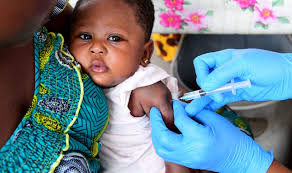
Vaccines prevent serious diseases:
Common vaccines for children:
- Polio vaccine
- Measles vaccine
- Tetanus vaccine
- Hepatitis B vaccine
- Tuberculosis (BCG) vaccine
- Yellow fever vaccine
Why vaccines are important:
- They teach your body to fight diseases
- They prevent serious illnesses
- They protect the whole community
- They save lives
Example: All children in Primary 3A got their measles vaccination. When measles outbreak happened in the community, none of them got sick.
- REGULAR HEALTH CHECK-UPS
Early detection prevents serious problems:
Regular check-ups include:
- Weight and height measurement
- Eye and ear examination
- Teeth checking
- Blood tests when needed
- General health assessment
Benefits of check-ups:
- Find problems early
- Get treatment before illness becomes serious
- Monitor growth and development
- Update vaccinations
- COMMUNITY DISEASE PREVENTION
- COMMUNITY HYGIENE
What communities can do:
Community actions:
- Build proper toilets and sewage systems
- Provide clean water supply
- Organize cleaning campaigns
- Control stray animals
- Educate people about hygiene
- Provide healthcare facilities
- SCHOOL HYGIENE
What schools can do:
School prevention programs:
- Teach health education
- Provide clean water and toilets
- Organize hand-washing campaigns
- Screen students for diseases
- Isolate sick children
- Maintain clean environment
- FAMILY PREVENTION
What families can do together:
Family hygiene practices:
- Create family hygiene rules
- Share health information
- Support sick family members
- Maintain clean home environment
- Practice preventive habits together
- Seek medical help when needed
CLASS EXERCISES
- Fill in the blanks:
- Disease prevention means stopping _______ before it happens
- The most important prevention method is washing _______
- We should drink only _______ water
- Mosquito _______ prevent malaria
- _______ help our bodies fight diseases
- True or False:
- Prevention is better than cure: _____
- You only need to wash hands after using toilet: _____
- Boiling water makes it safe to drink: _____
- Vaccines are dangerous for children: _____
- Clean environment prevents many diseases: _____
- List 5 times you should wash your hands:
- Choose the correct answer: What is the best way to prevent malaria? a) Take medicine daily b) Sleep under mosquito nets c) Avoid water
Which prevents waterborne diseases? a) Dirty water b) Clean water c) Any water
How often should children brush teeth? a) Once a week b) Once a day c) Twice a day
- Match the prevention method to the disease:
- Mosquito nets → Malaria
- Clean water → _______
- Hand washing → _______
- Vaccines → _______
- Circle the good hygiene practices: Washing hands, Sharing drinks with sick people, Boiling water, Eating unwashed fruits, Using mosquito nets, Covering mouth when coughing
- List 3 food safety rules:
- Complete these prevention tips:
- Sleep under _______ nets to prevent malaria
- _______ water before drinking to kill germs
- Cover _______ when coughing to prevent spread
- Eat _______ and vegetables to stay healthy
- Answer these questions:
- Why is prevention better than cure? _______
- How does hand washing prevent diseases? _______
- What should communities do to prevent diseases? _______
- Why are vaccines important for children? _______
- Prevention methods: Personal hygiene: Name 3 methods
Environmental hygiene: Name 2 methods
Second Term Social Studies Lesson Notes for Other Topics

Resources Utilization
Explore lesson notes covering all topics.

Labour and Force
Explore lesson notes covering all topics.

Transport and Communication
Explore lesson notes covering all topics.
Gender Discrimination
Explore lesson notes covering all topics.
Group Conflict and Cooperation
Explore lesson notes covering all topics.
International Organizations
Explore lesson notes covering all topics.

Peace Education
Explore lesson notes covering all topics.
Concepts of Drug and Drug Abuse
Explore lesson notes covering all topics.
Synthetic and Naturally Occurring Drugs
Explore lesson notes covering all topics.
Prevention of Common Diseases
Explore lesson notes covering all topics.
Causes of Common Illness: Dysentery
Explore lesson notes covering all topics.
Symptoms of Common Illnesses in the Community
Explore lesson notes covering all topics.
Common Illnesses in the Community
Explore lesson notes covering all topics.
Meaning of Illness
Explore lesson notes covering all topics.
Effects of Drug Abuse
Explore lesson notes covering all topics.
Lesson Notes for Other Classes

Basic 2 Lesson Note
The complete lesson note to guide your studies.

Basic 4 Lesson Note
The complete lesson note to guide your studies.
Basic 5 Lesson Note
The complete lesson note to guide your studies.
Basic 6 Lesson Note
The complete lesson note to guide your studies.

JSS1 Lesson Note
The complete lesson note to guide your studies.
JSS2 Lesson Note
The complete lesson note to guide your studies.