
Security Precaution at Home – Basic 1 Security Education Lesson Note (Second Term)
Download this term · ₦1,000Lesson note at a glance
- Subject
- Security Education
- Class
- Basic 1
- Term
- Second Term
- Topic
- Security Precaution at Home
- Order
- Topic 4 of 10 this term
- Reading time
- 7 min
Security precautions at home are the steps we take to prevent accidents and keep our family safe. They include locking doors and windows, keeping dangerous things such as medicines, matches, sharp objects, cleaning products, electrical items and hot objects away from children, and knowing what to do if there is a fire.
Behavioural objectives
By the end of the lesson, students should be able to:
- State security precautions to be taken at home
- Say why we keep dangerous things away from children
- State the safety rules children should follow for dangerous things at home
- Say what to do if there is a fire, including stop, drop and roll
Why do we need security precautions at home?
Home is where we should feel safe and comfortable. Even at home, we need to be careful to prevent accidents.
- Accidents can happen at home.
- Home has some dangerous things.
- We spend a lot of our time at home.
- We can prevent accidents by being careful.
Why should we lock doors and windows?
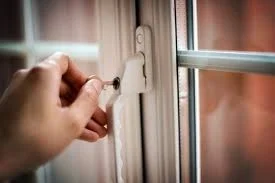
Why we lock
- It keeps thieves and strangers out.
- It protects our family and our belongings.
- It keeps dangerous animals out.
When to lock
- At night before sleeping
- When everyone leaves the house
What to lock
- The main door and back doors
- The windows at night
- The gate
How to be safe with locks
- Know where the spare keys are kept.
- Do not give keys to strangers.
- Do not play with locks.
- Do not lock yourself in a room.
- Locks must be easy for the family to open from inside, so that everyone can get out quickly if there is a fire.
Why do we keep dangerous things away from children?
Children may not know that some things are dangerous. They could eat or drink poison by mistake, start a fire, cut themselves, or get very sick or badly hurt.
Which dangerous things should be kept away from children?
Medicines

- Danger: Children should not take medicine on their own. The wrong medicine, or too much of it, can poison you.
- What adults do: Keep medicines in a locked cabinet or on a high shelf, away from food and drinks.
- What children do: Never take medicine by yourself. Take only medicine given to you by your parents or a trusted adult. Never share medicine with friends. Tell your parents if you find medicine lying around.
Matches and lighters
- Danger: They start fires quickly. Fire spreads fast, burns are painful, and a fire can burn down a house.
- What adults do: Keep them in a high cabinet, out of children’s reach.
- What children do: Never play with matches or lighters. Fire is NOT a toy. Tell an adult at once if you find them or see a fire.
Sharp objects
Examples: knives, scissors, razor blades, needles, pins and broken glass.
- Danger: They can cut the skin deeply. You can bleed a lot, and cuts can become infected.
- What adults do: Keep knives and scissors in a locked drawer or a high place. Throw away broken glass safely.
- What children do: Do not touch sharp things. Ask an adult to cut things for you. Use child-safe scissors at school with an adult watching.
Cleaning products
Examples: bleach, detergent, toilet cleaner and rat poison.
- Danger: They can poison you if swallowed. They can burn your skin or eyes, and their smell can make you sick.
- What adults do: Keep them in a locked cabinet or a high place, in their own labelled containers, away from food.
- What children do: Never drink anything an adult has not given you. Do not open containers you do not know. If something smells bad, stay away. Tell your parents at once if you touch or taste one by accident.
Petrol and kerosene
- Danger: They catch fire very easily. They can also poison you if swallowed.
- What adults do: Keep them in closed, labelled containers in a safe place outside the rooms where the family lives, away from fire.
- What children do: Never touch petrol or kerosene. Tell an adult if you see a container lying around.
Electrical items
- Danger: They can shock you, burn you or cause fires.
- What adults do: Cover sockets with safety covers, keep wires covered, unplug things not in use, and keep electrical items away from water.
- What children do: Never put fingers or objects in sockets. Do not touch electrical items with wet hands. Do not play with wires or touch broken appliances. Tell your parents about bare wires.
Hot objects
Examples: stove, iron, hot pots, boiling water and hot oil.
- Danger: Burns are very painful. Steam from hot water can burn too.
- What adults do: Keep children out of the kitchen when cooking, turn pot handles inward on the stove, keep hot drinks away from table edges, and unplug the iron after use.
- What children do: Stay away from the kitchen when cooking. Never touch the stove. Ask a parent if you need something hot.
What other safety precautions can we take in each part of the home?
In the kitchen
- Keep chemicals away from food.
- Wipe up spills at once because they are slippery.
- Do not leave cooking alone.
In the bathroom
- Keep medicines locked away and toilet cleaner out of reach.
- Do not leave water on the floor.
- Do not lock the door if you are young.
In the living room
- Cover electrical sockets.
- Keep small objects and batteries away from young children, who may swallow them and choke.
- Keep candles away from where children play.
In the bedroom
- Keep matches and candles out of the room.
- Keep toys tidy so that nobody trips.
How do we stay safe from fire at home?
How can we prevent fire?
- Do not play with matches or lighters.
- Be careful with candles.
- Turn off appliances when you finish using them.
What should we do if there is a fire?
- Shout “FIRE!” at once.
- Get out of the house quickly. Do not hide.
- Do not stop to take belongings.
- Call for help once you are outside.
- Do not go back inside.
Stop, drop and roll
If your clothes catch fire:
- STOP: Do not run.
- DROP: Fall to the ground.
- ROLL: Roll over and over to put out the flames.
General home security checklist
- Doors locked at night and windows secured
- Gate locked
- Medicines, cleaning products, matches and sharp objects put away
- Electrical sockets covered
- Hot things watched by an adult
- Emergency numbers where everyone can see them
- First aid kit available
- Children watched by an adult
What can children do to stay safe at home?
- Follow all safety rules.
- Do not touch dangerous things.
- Tell your parents about anything dangerous you see.
- Keep play areas tidy.
- Listen to your parents’ warnings.
- Help younger brothers and sisters stay safe.
If you don’t know what it is, DON’T touch it! Ask an adult first!
Class activity
- Show pictures of home situations.
- Ask pupils to point out what is dangerous.
- Discuss how to make each situation safer.
Evaluation
Choose the correct answer.
- We lock our doors to _____
- a) keep thieves out
- b) make noise
- c) decorate
- Medicines should be kept _____
- a) on the floor
- b) locked away from children
- c) where children play
- Matches are dangerous because they can _____
- a) start fires
- b) make music
- c) clean things
- Sharp knives should be _____
- a) given to children to play with
- b) kept where children cannot reach
- c) left on the floor
- If you do not know what something is, you should _____
- a) taste it
- b) ask an adult before touching it
- c) play with it
- Cleaning products can _____ you if swallowed.
- a) poison
- b) help
- c) feed
- If your clothes catch fire, you should stop, drop and _____
- a) roll
- b) jump
- c) hide
Answers: 1-a, 2-b, 3-a, 4-b, 5-b, 6-a, 7-a
Assignment
- With your parents, check that dangerous items at home are stored safely.
- Draw two dangerous things that should be kept away from children.
- Ask your parents to show you where medicines are kept in your home.
- Count how many locks your home has (doors and windows).
This term's Security Education topics
Basic 1 Second Term · 10 topics
Get Security Education as PDF and Word
Every week of Basic 1 Security Education, Second Term, formatted and ready to print. Ad-free, and the copy lock comes off.
Get this term Card, bank transfer, USSD or OPay
Second Term Security Education Lesson Notes for Other Topics
Security Precaution in the Office
Read the full lesson note.
Precautions in the Car/Buses
Read the full lesson note.
Security Precaution in the Environment
Read the full lesson note.
General Security Tips
Read the full lesson note.
Security Precaution in the School
Read the full lesson note.

Security Precautions: Personal Measures
Read the full lesson note.
Security Precaution on the Road
Read the full lesson note.
Security Precautions
Read the full lesson note.
Identify Sources of Danger
Read the full lesson note.
Security Management
Read the full lesson note.
Types of Security Management
Read the full lesson note.

Importance of Security Management
Read the full lesson note.
Safety and Security Management
Read the full lesson note.

Managing Security
Read the full lesson note.
Threat to Security
Read the full lesson note.
Lesson Notes for Other Classes

Basic 2 Lesson Note
The complete lesson note to guide your studies.

Basic 3 Lesson Note
The complete lesson note to guide your studies.

Basic 4 Lesson Note
The complete lesson note to guide your studies.

Basic 5 Lesson Note
The complete lesson note to guide your studies.

Basic 6 Lesson Note
The complete lesson note to guide your studies.

JSS1 Lesson Note
The complete lesson note to guide your studies.
