
Simple Sewing Tools Basic 4 Home Economics Lesson Note
Download Lesson NoteTopic: Simple Sewing Tools
What are Sewing Tools?
Sewing tools are simple equipment used to join pieces of fabric together using thread, or to mend and repair clothes.
Basic Sewing Tools
- Needle
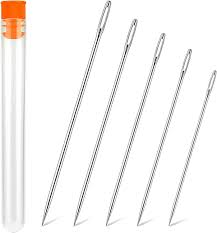
The most important sewing tool
Description:
- Long, thin metal tool with a sharp point
- Eye (hole) at one end for thread
- Point at the other end to pierce fabric
Types:
- Hand sewing needles: For basic sewing by hand
- Sharp needles: For woven fabrics like cotton
- Ball point needles: For knit fabrics like t-shirts
- Heavy needles: For thick fabrics like denim
Uses:
- Joining fabric pieces together
- Mending holes in clothes
- Attaching buttons and decorations
- Making decorative stitches
Care:
- Keep clean and dry to prevent rust
- Store safely in needle book or pin cushion
- Replace when bent or dull
- Thread
Material used to hold fabric pieces together
Description:
- Long, thin strand made from cotton, silk, or synthetic materials
- Comes on spools or in skeins
- Available in many colors
Types:
- All-purpose thread: Good for most sewing projects
- Cotton thread: Strong and easy to use
- Polyester thread: Durable and colorfast
- Embroidery thread: Special thread for decoration
Choosing Thread:
- Match color to fabric when possible
- Use strong thread for items that get lots of use
- Choose right thickness for your fabric
- Quality matters – good thread makes better seams
Care:
- Store in cool, dry place away from sunlight
- Keep on spools to prevent tangling
- Cut, don’t break to get clean ends
- Scissors
Tools for cutting fabric and thread
Types:
Fabric Scissors:
- Large, sharp scissors for cutting fabric
- Long blades make straight cuts easier
- Keep very sharp for clean cutting
- Use ONLY for fabric to keep sharp
Embroidery Scissors:
- Small, pointed scissors for detailed work
- Good for cutting thread close to fabric
- Useful for small, precise cuts
- Easy to control for delicate work
Paper Scissors:
- Separate scissors for paper only
- Protects fabric scissors from getting dull
- Used for cutting patterns
Care:
- Keep sharp by proper use and storage
- Clean blades regularly
- Store safely to protect points
- Never drop on hard surfaces
- Pins
Small tools to hold fabric in place
Types:
Straight Pins:
- Thin metal pins with small heads
- Hold fabric pieces together before sewing
- Come in different lengths
- Glass heads won’t melt if ironed
Safety Pins:
- Pins that close to prevent accidental pricking
- Good for temporary repairs
- Useful for threading elastic through casings
- Various sizes available
Uses:
- Hold pattern pieces to fabric
- Keep fabric layers from shifting
- Mark specific spots on fabric
- Temporary fastening
Safety:
- Count pins before and after use
- Store in pin cushion or container
- Point away from body when using
- Remove all pins before final sewing
- Measuring Tools
Measuring Tape:
- Flexible ruler usually 60 inches long
- Marked in inches and centimeters
- Essential for taking body measurements
- Useful for measuring fabric
Ruler:
- Straight measuring tool 12 or 18 inches long
- Good for measuring short distances
- Useful for marking straight lines
- Metal or plastic
Uses:
- Measuring body for clothing sizes
- Measuring fabric pieces accurately
- Marking seam allowances
- Checking spacing for decorative elements
- Marking Tools
Fabric Chalk:
- Special chalk that washes out
- Available in different colors
- Used to mark cutting lines on fabric
- Marks disappear with washing
Fabric Markers:
- Special pens for marking fabric
- Water soluble or air erasable
- Good for detailed marking
- Test on scrap fabric first
Uses:
- Mark where to cut fabric
- Show where to sew seams
- Mark button placement
- Transfer pattern markings
- Storage and Organization Tools
Pin Cushion:
- Small pillow filled with sawdust or crushed walnut shells
- Holds pins and needles safely
- Keeps tools organized and handy
- Traditional sewing tool
Needle Book:
- Small fabric book with felt pages
- Stores needles safely and organized
- Protects needle points
- Easy to carry
Sewing Box:
- Container for storing all sewing tools
- Compartments for different items
- Keeps everything organized
- Portable for taking sewing anywhere
- Simple Cutting Tools
Seam Ripper:
- Small tool for removing stitches
- Sharp point gets under stitches
- Cuts thread without damaging fabric
- Essential for correcting mistakes
Thread Snips:
- Small scissors for cutting thread quickly
- Spring action for easy cutting
- Keep handy while sewing
- Faster than large scissors
Choosing the Right Tools
For Beginners:
- Start with basics: Needle, thread, scissors, pins
- Good quality: Better tools work better and last longer
- Adult help: Get help choosing appropriate tools
- Safety first: Learn to use tools safely
Building a Kit:
- Add tools gradually as skills develop
- Quality over quantity – better to have fewer good tools
- Consider storage – need place to keep tools organized
- Ask for guidance from experienced sewers
Care and Maintenance
General Care:
- Keep tools clean and dry
- Store properly to prevent damage
- Use tools correctly for their intended purpose
- Replace when worn out or damaged
Safety Storage:
- Sharp tools in protective cases
- Small parts in containers to prevent loss
- Organized system so tools are easy to find
- Safe from children who might get hurt
Importance of Good Tools
Better Results:
- Sharp, quality tools make neater work
- Proper tools make sewing easier
- Right tool for job gives best outcome
- Professional appearance in finished work
Safety:
- Good condition tools are safer to use
- Proper storage prevents accidents
- Right size tools easier to control
- Quality tools last longer and work better
Enjoyment:
- Good tools make sewing more pleasant
- Less frustration with quality equipment
- Better results increase satisfaction
- Proper tools encourage continued learning
EXERCISES
Exercise 1: Fill in the Blanks
- Sewing tools are equipment used to ________ pieces of fabric together
- A ________ has a sharp point and an eye for thread
- ________ are used to cut fabric and thread
- ________ hold fabric pieces in place before sewing
Exercise 2: True or False
- All needles are the same size ____
- Fabric scissors should only be used for fabric ____
- Thread color doesn’t matter ____
- Pins should be counted before and after use ____
Exercise 3: Match Tool with Use
Draw lines to connect each tool with its main use:
- Needle → Cutting fabric
- Thread → Holding fabric together
- Scissors → Measuring fabric length
- Measuring tape → Joining fabric pieces
Exercise 4: Tool Types
Write “N” for Needle, “T” for Thread, “S” for Scissors, “P” for Pins, or “M” for Measuring:
- Fabric chalk ____
- Safety pins ____
- All-purpose thread ____
- Embroidery scissors ____
- Ball point needle ____
Exercise 5: Choose the Right Answer
Circle the correct answer:
- Needle eye is for: Sharp point / Thread
- Fabric scissors should be used for: Paper and fabric / Only fabric
- Measuring tape is usually: 60 inches / 12 inches long
- Pin cushion holds: Thread / Pins and needles
First Term Home Economics Lesson Notes for Other Topics

Uses And Care Of Simple Sewing, Knitting And Crocheting Tools And Equipment
Explore lesson notes covering all topics.

Identification Of Simple Cooking Tools And Equipment
Explore lesson notes covering all topics.

Basic Stitches
Explore lesson notes covering all topics.

Roles Of Each Family Members And Functions Of The Family
Explore lesson notes covering all topics.

Simple Sewing Tools And Equipment
Explore lesson notes covering all topics.
Guidelines For Use Of Cooking Tools And Equipment
Explore lesson notes covering all topics.

Family Relationship And Family Tree
Explore lesson notes covering all topics.

Family: Meaning And Types Of Family
Explore lesson notes covering all topics.

Knitting and Crocheting
Explore lesson notes covering all topics.

Needle Craft
Explore lesson notes covering all topics.
Kitchen Equipment and Utensils
Explore lesson notes covering all topics.

Classification of Food - Food and Their Source
Explore lesson notes covering all topics.

Food and Nutrition - Nutrient and Nutrition
Explore lesson notes covering all topics.

The Human Body - Parts and Functions
Explore lesson notes covering all topics.

Meaning, Scope and Importance of Home Economics
Explore lesson notes covering all topics.

Lesson Notes for Other Classes

Basic 2 Lesson Note
The complete lesson note to guide your studies.
Basic 3 Lesson Note
The complete lesson note to guide your studies.
Basic 5 Lesson Note
The complete lesson note to guide your studies.

JSS1 Lesson Note
The complete lesson note to guide your studies.

JSS2 Lesson Note
The complete lesson note to guide your studies.

JSS3 Lesson Note
The complete lesson note to guide your studies.