Needle Craft – Basic 4 Home Economics Lesson Note (First Term)
Download this term · ₦1,000Lesson note at a glance
- Subject
- Home Economics
- Class
- Basic 4
- Term
- First Term
- Topic
- Needle Craft
- Order
- Topic 7 of 9 this term
- Reading time
- 5 min
What is Needle Craft?
Needle craft is the art of making useful and beautiful things using needles, thread, and fabric. It includes sewing, embroidery, and other decorative work.
Basic Needle Craft Tools
- Needles
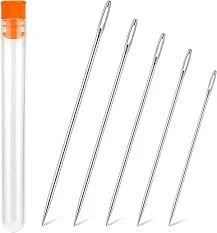
Sharp, pointed tools for pulling thread through fabric
Types of Needles:
- Sewing needles: For basic stitching and mending
- Embroidery needles: For decorative work
- Tapestry needles: Blunt tip for thick fabrics
- Darning needles: For repairing holes
Needle Parts:
- Point: Sharp tip that goes through fabric
- Eye: Hole where thread goes through
- Shaft: Main body of the needle
Sizes:
- Thin needles: For delicate fabrics
- Thick needles: For heavy fabrics
- Choose right size: Match needle to fabric thickness
- Thread
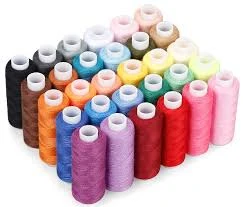
The material used to join fabric pieces together
Types of Thread:
- Cotton thread: Most common, for everyday sewing
- Silk thread: Strong and shiny, for special work
- Embroidery thread: Colorful threads for decoration
- Yarn: Thick thread for heavy work
Colors:
- Match fabric: Thread color should match fabric
- Contrast: Different color for decorative effect
- Basic colors: Black, white, navy blue for most needs
- Fabric
The material we sew on
Types of Fabric:
- Cotton: Easy to work with, good for beginners
- Linen: Strong and durable
- Felt: Thick, doesn’t fray, good for crafts
- Canvas: Heavy fabric for strong items
Choosing Fabric:
- Start simple: Begin with cotton or felt
- Consider purpose: What will you make?
- Fabric weight: Heavy or light depending on project
- Other Essential Tools
Scissors
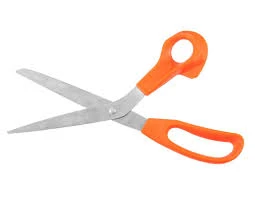
- Use: Cutting fabric and thread
- Types: Fabric scissors (sharp), embroidery scissors (small)
- Care: Keep sharp and clean
- Safety: Use carefully, store safely
Pins
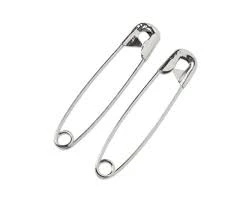
- Use: Holding fabric pieces together before sewing
- Types: Straight pins, safety pins
- Important: Keep fabric in place while working
- Safety: Count pins – don’t lose any
Thimble
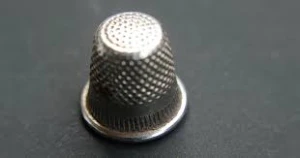
- Use: Protecting finger when pushing needle
- Material: Metal, plastic, or leather
- Finger: Worn on middle finger of pushing hand
- Comfort: Prevents sore fingers
Measuring Tape
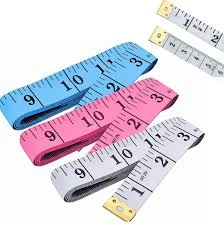
- Use: Measuring fabric and body measurements
- Length: Usually 60 inches or 150 cm
- Flexible: Bends around curves
- Essential: For accurate sizing
Basic Needle Craft Techniques
- Threading a Needle
Steps:
- Cut thread about 18 inches long
- Make one end pointed (wet with saliva if needed)
- Push thread through needle eye
- Pull through until both ends are even
- Tie a small knot at the end
- Basic Stitches
Running Stitch
- Use: Basic joining stitch
- How to do: In and out in straight line
- Appearance: Looks like dashed line
- Good for: Simple seams, gathering fabric
Back Stitch
- Use: Strong joining stitch
- How to do: Go back to fill gaps
- Appearance: Solid line of stitches
- Good for: Permanent seams, repairs
Over Stitch
- Use: Finishing fabric edges
- How to do: Stitch over the edge
- Purpose: Prevent fabric from fraying
- Good for: Hemming, edge finishing
Cross Stitch
- Use: Decorative embroidery
- How to do: Make X-shaped stitches
- Appearance: Creates patterns and pictures
- Good for: Decoration, samplers
- Basic Projects for Beginners
Simple Bookmark
- Materials: Felt, embroidery thread, scissors
- Skills learned: Basic stitching, decoration
- Time: 30-45 minutes
- Use: Mark pages in books
Small Bag/Pouch
- Materials: Cotton fabric, thread, needle
- Skills learned: Joining pieces, making seams
- Time: 1-2 hours
- Use: Storing small items
Handkerchief Hem
- Materials: Square cotton fabric, thread
- Skills learned: Hemming, neat edges
- Time: 30 minutes
- Use: Personal handkerchief
Button Attachment
- Materials: Garment, button, thread
- Skills learned: Attaching buttons securely
- Time: 10 minutes
- Use: Repair or replace buttons
Types of Needle Craft
- Plain Sewing
Basic sewing for practical purposes
- Mending clothes: Fixing tears and holes
- Hemming: Shortening or lengthening clothes
- Basic construction: Making simple items
- Alterations: Adjusting clothing fit
- Embroidery
Decorative needle work
- Purpose: Making things beautiful
- Techniques: Special stitches and patterns
- Uses: Decorating clothes, household items
- Art form: Creative expression through thread
- Appliqué
Attaching pieces of fabric to create designs
- Method: Sewing fabric shapes onto base fabric
- Effect: Creates pictures and patterns
- Uses: Decorating clothes, quilts, bags
- Creative: Combines colors and shapes
- Patchwork
Joining small pieces of fabric together
- Purpose: Making larger items from scraps
- Traditional: Historic method of using leftover fabric
- Results: Quilts, bags, decorative items
- Economical: Uses fabric efficiently
Benefits of Needle Craft
- Practical Skills
- Self-reliance: Can mend own clothes
- Cost saving: Repair instead of buying new
- Useful items: Make things you need
- Life skill: Useful throughout life
- Creative Expression
- Artistic outlet: Express creativity through fabric and thread
- Personal style: Make unique, personalized items
- Color and design: Learn about visual arts
- Satisfaction: Pride in handmade items
- Mental Benefits
- Concentration: Improves focus and attention
- Patience: Develops perseverance
- Problem solving: Figure out construction methods
- Relaxation: Calm, meditative activity
- Fine Motor Skills
- Hand-eye coordination: Precise needle and thread control
- Finger dexterity: Small, accurate movements
- Bilateral coordination: Using both hands together
- Preparation: Good foundation for other detailed work
Safety in Needle Craft
Needle Safety:
- Sharp points: Always point needles away from body
- Storage: Use pin cushion or needle case
- Count needles: Make sure none are lost
- Adult help: Get help with difficult projects
Scissors Safety:
- Cutting away: Always cut away from body
- Pass safely: Hand scissors handle-first to others
- Storage: Keep in safe place when not in use
- Purpose: Use only for fabric and thread
General Safety:
- Good lighting: Work in well-lit area
- Comfortable position: Sit properly to avoid strain
- Take breaks: Rest eyes and hands regularly
- Clean workspace: Keep area tidy and organized
EXERCISES
Exercise 1: Fill in the Blanks
- Needle craft is the art of making things using ________, thread, and fabric
- The ________ is the hole in a needle where thread goes through
- ________ stitch looks like a dashed line
- A ________ protects your finger when pushing the needle
Exercise 2: True or False
- All needles are the same size ____
- Thread color should always match the fabric ____
- Scissors are only used for cutting paper ____
- Needle craft helps develop fine motor skills ____
Exercise 3: Match Tool with Use
Draw lines to connect each tool with its main use:
- Needle → Cutting fabric and thread
- Thread → Measuring fabric
- Scissors → Joining fabric pieces
- Measuring tape → Pulling through fabric
Exercise 4: Needle Parts
Write the names of these needle parts:
- Sharp tip that goes through fabric: ________
- Hole where thread goes: ________
- Main body of needle: ________
Exercise 5: Choose the Right Answer
Circle the correct answer:
- Best fabric for beginners: Silk / Cotton
- Threading needle – thread length: 18 inches / 3 feet
- Thimble worn on: Thumb / Middle finger
- Running stitch looks like: Solid line / Dashed line
Exercise 6: Stitch Types
Write “R” for Running stitch, “B” for Back stitch, “O” for Over stitch, or “C” for Cross stitch:
- Makes X-shaped stitches ____
- Goes in and out in straight line ____
- Goes back to fill gaps ____
- Stitches over fabric edge ____
This term's Home Economics topics
Basic 4 First Term · 9 topics
Get Home Economics as PDF and Word
Every week of Basic 4 Home Economics, First Term, formatted and ready to print. Ad-free, and the copy lock comes off.
Get this term Card, bank transfer, USSD or OPay
First Term Home Economics Lesson Notes for Other Topics
Reasons for Cleaning the House, Classroom and the Environment
Read the full lesson note.
How to Make Detergents
Read the full lesson note.

Tools and Agents for Cleaning the Home
Read the full lesson note.
Types and Uses of Stitches
Read the full lesson note.
Effect of Wrong Meal Planning and Eating Habit
Read the full lesson note.
Introduction to Clothing Construction Process(Seam)
Read the full lesson note.
Stitches: (Temporary and Permanent)
Read the full lesson note.

Three Major Meals of the Day
Read the full lesson note.

Meaning of Meal Planning and Importance for Healthy Eating
Read the full lesson note.

Uses And Care Of Simple Sewing, Knitting And Crocheting Tools And Equipment
Read the full lesson note.
Identification Of Simple Cooking Tools And Equipment
Read the full lesson note.
Basic Stitches
Read the full lesson note.

Roles Of Each Family Members And Functions Of The Family
Read the full lesson note.
Simple Sewing Tools And Equipment
Read the full lesson note.

Guidelines For Use Of Cooking Tools And Equipment
Read the full lesson note.
Lesson Notes for Other Classes

Basic 1 Lesson Note
The complete lesson note to guide your studies.
Basic 2 Lesson Note
The complete lesson note to guide your studies.
Basic 3 Lesson Note
The complete lesson note to guide your studies.
Basic 5 Lesson Note
The complete lesson note to guide your studies.
Basic 6 Lesson Note
The complete lesson note to guide your studies.

JSS1 Lesson Note
The complete lesson note to guide your studies.