
Kitchen Equipment and Utensils Basic 4 Home Economics Lesson Note
Download Lesson NoteTopic: Kitchen Equipment and Utensils
What are Kitchen Equipment and Utensils?
Kitchen equipment and utensils are tools and containers used for preparing, cooking, serving, and storing food in the kitchen.
Types of Kitchen Tools
- Cutting and Chopping Tools
Knife

- Use: Cutting vegetables, fruits, meat, and fish
- Types: Big knife (for heavy cutting), small knife (for delicate work)
- Safety: Very sharp – adults should handle
- Care: Keep clean and sharp
Chopping Board
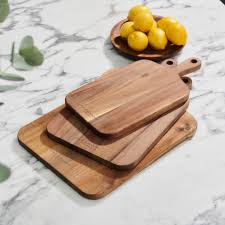
- Use: Safe surface for cutting food
- Materials: Wood or plastic
- Why important: Protects kitchen counter and knife
- Care: Wash after each use
- Measuring Tools
Measuring Cups

- Use: Measuring liquid ingredients like water, milk, oil
- Sizes: Different sizes for different amounts
- Material: Plastic, glass, or metal
- Important: For accurate cooking
Measuring Spoons

- Use: Measuring small amounts of ingredients
- Examples: Salt, sugar, spices, baking powder
- Sizes: Teaspoon, tablespoon
- Precision: Help make food taste right
Kitchen Scale

- Use: Weighing ingredients like flour, meat, vegetables
- Types: Manual or digital
- Accuracy: Gives exact weight measurements
- Mixing and Preparing Tools
Mixing Bowl
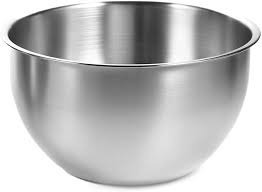
- Use: Mixing ingredients together
- Sizes: Small, medium, large for different recipes
- Materials: Plastic, glass, metal, ceramic
- Essential: Every kitchen needs several
Wooden Spoon

- Use: Stirring food while cooking
- Benefits: Doesn’t get hot, doesn’t scratch pots
- Care: Wash and dry well
- Durable: Lasts long time
Whisk
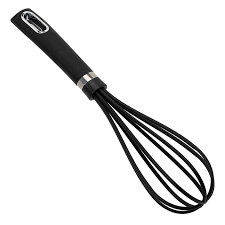
- Use: Beating eggs, mixing batter, whipping cream
- Shape: Wire loops that mix air into food
- Function: Makes food light and fluffy
Grater
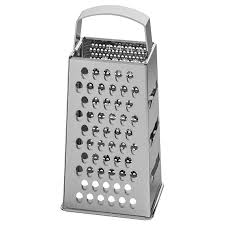
- Use: Grating vegetables, cheese, ginger, garlic
- Types: Box grater, flat grater
- Safety: Sharp edges – be careful
- Cooking Pots and Pans
Cooking Pot
- Use: Boiling, stewing, cooking soup
- Materials: Aluminum, stainless steel, clay
- Sizes: Different sizes for different amounts of food
- Essential: Basic cooking container
Frying Pan
- Use: Frying eggs, meat, vegetables
- Shape: Flat bottom with low sides
- Materials: Non-stick, stainless steel, cast iron
- Heat distribution: Spreads heat evenly
Saucepan
- Use: Making sauces, boiling small amounts
- Shape: Deep with long handle
- Sizes: Small to medium
- Precise cooking: Good for careful temperature control
- Serving Tools
Plates
- Use: Serving and eating food
- Materials: Ceramic, plastic, glass
- Sizes: Dinner plates, side plates, bowls
- Care: Wash thoroughly after use
Serving Spoons
- Use: Serving food from pots to plates
- Types: Large spoons, ladles
- Materials: Metal, plastic, wood
- Hygiene: Separate spoons for different foods
Cups and Glasses
- Use: Drinking water, juice, milk, tea
- Materials: Glass, plastic, ceramic
- Sizes: Different sizes for different drinks
- Care: Wash immediately after use
- Storage Containers
Food Storage Containers
- Use: Storing leftover food, dry ingredients
- Types: Plastic containers, glass jars
- Features: Tight-fitting lids to keep food fresh
- Sizes: Various sizes for different amounts
Refrigerator Containers
- Use: Storing food in refrigerator
- Materials: Food-safe plastic, glass
- Purpose: Keep food cold and fresh longer
- Organization: Help organize refrigerator space
- Cleaning Tools
Dishwashing Sponge
- Use: Cleaning dishes, pots, and utensils
- Types: Soft sponge, scrubbing pad
- With soap: Use with dishwashing liquid
- Replace regularly: When worn out
Dish Towels
- Use: Drying clean dishes and wiping surfaces
- Materials: Cotton, microfiber
- Care: Wash regularly to keep clean
- Separate uses: Different towels for different tasks
Cleaning Cloth
- Use: Wiping kitchen counters and surfaces
- Materials: Cotton, microfiber
- Hygiene: Keep clean to avoid spreading germs
- Special Equipment
Can Opener
- Use: Opening canned foods safely
- Types: Manual, electric
- Safety: Careful with sharp edges
- Essential: For accessing canned foods
Bottle Opener
- Use: Opening bottles with metal caps
- Types: Hand-held, built into other tools
- Common need: For drinks and sauces
Mortar and Pestle
- Use: Grinding spices, making paste
- Traditional: Used in many Nigerian kitchens
- Materials: Stone, wood, ceramic
- Function: Crush and grind ingredients
Safety Rules for Kitchen Tools
General Safety:
- Adult supervision: Children should always have adult help
- Handle carefully: All tools can be dangerous if misused
- Clean hands: Wash hands before and after use
- Proper storage: Keep tools in safe places
Sharp Tool Safety:
- Knives: Only adults should use sharp knives
- Graters: Be careful of sharp holes
- Can openers: Watch for sharp edges
- Broken glass: Tell adults immediately
Hot Equipment Safety:
- Pots and pans: Can be very hot during cooking
- Stove area: Stay away when adults are cooking
- Steam: Hot steam can burn
- Oil: Hot oil is very dangerous
Care and Maintenance
Cleaning:
- Wash after use: Clean all utensils immediately
- Hot soapy water: Best for removing grease and food
- Dry thoroughly: Prevent rust and bacteria growth
- Sanitize: Keep utensils germ-free
Storage:
- Organized: Keep similar items together
- Dry storage: Store in clean, dry places
- Easy access: Frequently used items easy to reach
- Safe storage: Sharp tools stored safely
Maintenance:
- Regular inspection: Check for damage or wear
- Replace when needed: Broken tools can be dangerous
- Sharpen knives: Keep cutting tools effective (adults only)
- Proper use: Use tools for intended purposes only
Importance of Kitchen Tools
- Food Safety
- Clean preparation: Proper tools help keep food clean
- Safe cutting: Cutting boards protect from contamination
- Proper storage: Containers keep food fresh and safe
- Efficiency
- Faster cooking: Right tools make cooking quicker
- Better results: Proper tools give better food outcomes
- Less waste: Accurate measuring reduces waste
- Convenience
- Easy cooking: Good tools make cooking enjoyable
- Organization: Proper utensils keep kitchen organized
- Cleanliness: Right tools make cleaning easier
EXERCISES
Exercise 1: Fill in the Blanks
- Kitchen equipment and utensils are ________ used for preparing and cooking food
- A ________ board provides a safe surface for cutting food
- ________ cups are used for measuring liquid ingredients
- A ________ pot is used for boiling and stewing food
Exercise 2: True or False
- Children can use sharp knives without adult help ____
- Measuring tools help make food taste right ____
- All kitchen tools are safe to use ____
- Wooden spoons are good for stirring food ____
Exercise 3: Match Tool with Use
Draw lines to connect each tool with its main use:
- Knife → Mixing ingredients together
- Mixing bowl → Cutting vegetables and fruits
- Frying pan → Measuring liquid ingredients
- Measuring cup → Frying eggs and meat
Exercise 4: Tool Categories
Write “C” for Cutting, “M” for Measuring, “Mix” for Mixing, “Cook” for Cooking, or “S” for Serving:
- Chopping board ____
- Measuring spoons ____
- Whisk ____
- Saucepan ____
- Serving spoon ____
Exercise 5: Choose the Right Tool
Circle the best tool for each job:
- Measuring water: Measuring cup / Knife
- Frying eggs: Cooking pot / Frying pan
- Cutting tomatoes: Chopping board / Mixing bowl
- Stirring soup: Wooden spoon / Plate
First Term Home Economics Lesson Notes for Other Topics

Uses And Care Of Simple Sewing, Knitting And Crocheting Tools And Equipment
Explore lesson notes covering all topics.

Identification Of Simple Cooking Tools And Equipment
Explore lesson notes covering all topics.

Basic Stitches
Explore lesson notes covering all topics.

Roles Of Each Family Members And Functions Of The Family
Explore lesson notes covering all topics.

Simple Sewing Tools And Equipment
Explore lesson notes covering all topics.
Guidelines For Use Of Cooking Tools And Equipment
Explore lesson notes covering all topics.

Family Relationship And Family Tree
Explore lesson notes covering all topics.

Family: Meaning And Types Of Family
Explore lesson notes covering all topics.

Knitting and Crocheting
Explore lesson notes covering all topics.

Simple Sewing Tools
Explore lesson notes covering all topics.

Needle Craft
Explore lesson notes covering all topics.

Classification of Food - Food and Their Source
Explore lesson notes covering all topics.

Food and Nutrition - Nutrient and Nutrition
Explore lesson notes covering all topics.

The Human Body - Parts and Functions
Explore lesson notes covering all topics.

Meaning, Scope and Importance of Home Economics
Explore lesson notes covering all topics.

Lesson Notes for Other Classes

Basic 2 Lesson Note
The complete lesson note to guide your studies.
Basic 3 Lesson Note
The complete lesson note to guide your studies.
Basic 5 Lesson Note
The complete lesson note to guide your studies.
JSS1 Lesson Note
The complete lesson note to guide your studies.
JSS2 Lesson Note
The complete lesson note to guide your studies.

JSS3 Lesson Note
The complete lesson note to guide your studies.