The Circulatory System – Basic 6 Basic Technology Lesson Note (First Term)
Download Lesson NoteLesson note at a glance
- Subject
- Basic Technology
- Class
- Basic 6
- Term
- First Term
- Topic
- The Circulatory System
- Order
- Topic 7 of 24 this term
- Reading time
- 1 min
Learning Objectives
By the end of the lesson, pupils should be able to:
- Explain the meaning of the circulatory system
- Name and identify the parts of the human heart
- Describe and state some basic functions of the heart
- Draw a typical heart and label it
Content

What is the Circulatory System? The circulatory system is the system in the body that transports blood, oxygen, nutrients, and waste products throughout the body. It consists of the heart, blood vessels, and blood.
Parts of the Circulatory System
- Heart – The pump that pushes blood
- Blood Vessels – Tubes that carry blood (arteries, veins, capillaries)
- Blood – The liquid that carries nutrients and oxygen
The Human Heart The heart is a muscular organ about the size of a fist, located in the chest slightly to the left.
Parts of the Heart
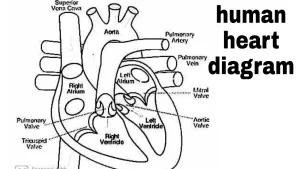
- Right Atrium – Receives blood from the body
- Left Atrium – Receives blood from the lungs
- Right Ventricle – Pumps blood to the lungs
- Left Ventricle – Pumps blood to the body
- Valves – Prevent blood from flowing backward
- Septum – Wall separating left and right sides
Functions of the Heart
- Pumps blood throughout the body
- Delivers oxygen and nutrients to body cells
- Removes waste products (carbon dioxide)
- Helps maintain body temperature
- Beats about 70-80 times per minute at rest
How the Heart Works
- Blood enters the heart through the atria
- The atria contract, pushing blood into the ventricles
- The ventricles contract, pumping blood out to the lungs and body
- This cycle repeats continuously throughout life
Activities
- Listen to heartbeat with stethoscope
- Feel pulse at wrist
- Draw and label the heart
- Exercise and observe heart rate changes
This term's Basic Technology topics
Basic 6 First Term · 24 topics
- Creativity: Rhythmic Activites
- Introduction to Artificial Intelligence
- Growing Crops
- Creativity: Rhythmic Activites (Contd)
- Introduction to Artificial Intelligence (Cont’d)
- The Circulatory System
- Athletics: Field Event (Long Jump)
- Drawing with Computer
- The Human Circulatory System: Blood Vessels
- Athletics: Field Event (High Jump)
- Drawing with Computer (Cont’d)
First Term Basic Technology Lesson Notes for Other Topics

Energy IV
Read the full lesson note.
Energy III
Read the full lesson note.
Energy II
Read the full lesson note.

Energy I
Read the full lesson note.

Movement (Throwing)
Read the full lesson note.

Parts of a Computer
Read the full lesson note.
Non-Living Things
Read the full lesson note.

Moving our Body Parts
Read the full lesson note.
Living Things II
Read the full lesson note.
Movement
Read the full lesson note.
Basic Computer
Read the full lesson note.
Living Things
Read the full lesson note.
Revision of First Term : PHE
Read the full lesson note.

CPU (Central Processing Unit)
Read the full lesson note.
Water II
Read the full lesson note.
Lesson Notes for Other Classes

Basic 1 Lesson Note
The complete lesson note to guide your studies.

Basic 2 Lesson Note
The complete lesson note to guide your studies.

Basic 3 Lesson Note
The complete lesson note to guide your studies.

Basic 4 Lesson Note
The complete lesson note to guide your studies.

Basic 5 Lesson Note
The complete lesson note to guide your studies.

JSS1 Lesson Note
The complete lesson note to guide your studies.