Puberty – Basic 6 Basic Technology Lesson Note (First Term)
Download Lesson NoteLesson note at a glance
- Subject
- Basic Technology
- Class
- Basic 6
- Term
- First Term
- Topic
- Puberty
- Order
- Topic 22 of 24 this term
- Reading time
- 5 min
Learning Objectives
By the end of the lesson, pupils should be able to:
- Discuss the meaning of puberty
- Describe the changes in male and female during puberty
- Distinguish between physical and emotional changes in puberty
- Explain the importance of puberty in child development
Content
What is Puberty? Puberty is the period when a child’s body develops and changes into an adult body capable of reproduction. It is the stage when children become sexually mature and develop adult characteristics.
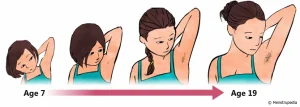
When Does Puberty Happen?
- Girls: Usually between ages 8-13 years (often starts earlier)
- Boys: Usually between ages 9-14 years (often starts later)
- Everyone’s timing is different – this is normal
- Puberty can last 2-5 years
What Causes Puberty?
- Hormones (chemical messengers) in the body
- In boys: Testosterone hormone increases
- In girls: Estrogen and progesterone hormones increase
- These hormones trigger changes in the body
PHYSICAL CHANGES IN PUBERTY
Physical Changes in BOYS
- Voice Changes (Voice Breaking)
Voice becomes deeper and lower
May crack or squeak temporarily
Adam’s apple (larynx) becomes visible
- Body Hair Growth
Hair grows under arms (armpits)
Hair grows in pubic area (around genitals)
Facial hair appears (mustache, beard)
Hair on chest, arms, legs becomes thicker
- Body Shape Changes
Shoulders become broader
Muscles develop and grow stronger
Height increases rapidly (growth spurt)
Weight increases
- Skin Changes
Skin becomes oilier
Acne/pimples may appear on face and back
Body odor becomes stronger (need deodorant)
- Reproductive System Changes
Penis and testes grow larger
Ability to produce sperm begins
May experience wet dreams (nocturnal emissions)
Testes begin producing testosterone
- Other Physical Changes
Feet and hands grow larger
Increased sweating
More energy and strength
Physical Changes in GIRLS
- Breast Development
- Breasts begin to develop and grow
- May feel tender or sore
- Need to wear bra for support
- Menstruation (Period)
- Monthly bleeding from vagina
- Usually lasts 3-7 days
- Occurs about every 28 days
- Shows body can now have babies
- Use sanitary pads during period
- Body Shape Changes
- Hips become wider/rounder
- Waist becomes more defined
- Body stores more fat (especially hips, thighs)
- Height increases (growth spurt)
- Body Hair Growth
- Hair grows under arms (armpits)
- Hair grows in pubic area
- Hair on legs and arms may darken
- Skin Changes
- Skin becomes oilier
- Acne/pimples may appear
- Body odor becomes stronger
- Reproductive System Changes
- Ovaries begin releasing eggs (ovulation)
- Vagina produces discharge (normal fluid)
- Reproductive organs mature
- Other Physical Changes
- Voice may become slightly deeper
- Increased sweating
- Hands and feet may grow
EMOTIONAL CHANGES IN PUBERTY
Puberty doesn’t just change your body – it also affects emotions and feelings.
Emotional Changes in BOTH Boys and Girls
- Mood Swings
- Feelings change quickly
- Happy one moment, sad the next
- May feel irritable or angry easily
- Caused by hormone changes
- Increased Sensitivity
- Feelings get hurt more easily
- More emotional reactions
- May cry more often
- Take things personally
- Interest in Relationships
- More aware of appearance
- Interest in romantic relationships
- May have crushes
- Want to be attractive to others
- Need for Privacy
- Want more alone time
- Less open with parents
- Value personal space
- Keep more secrets
- Peer Pressure
- Want to fit in with friends
- Care more about what others think
- May feel pressure to act certain ways
- Identity development
- Self-Consciousness
- Worry about appearance
- Compare self to others
- May feel awkward or embarrassed
- Concerned about being “normal”
- Independence
- Want to make own decisions
- May argue with parents more
- Testing boundaries
- Developing own identity
- Stress and Anxiety
- Worry about school performance
- Concern about body changes
- Social pressures
- Future worries
DIFFERENCES BETWEEN PHYSICAL AND EMOTIONAL CHANGES
Physical Changes:
- Changes you can SEE or TOUCH
- Affect the body
- Examples: Height, breasts, facial hair, periods
- Caused by hormones affecting body
- Usually permanent changes
Emotional Changes:
- Changes you FEEL inside
- Affect mood and behavior
- Examples: Mood swings, sensitivity, crushes
- Caused by hormones affecting brain
- May settle down after puberty
IMPORTANCE OF PUBERTY IN CHILD DEVELOPMENT
- Biological Importance
- Enables reproduction (ability to have children in future)
- Body becomes sexually mature
- Completes physical development to adulthood
- Physical Development
- Body grows to adult size and strength
- Develops secondary sexual characteristics
- Increases physical capabilities
- Completes bone and muscle development
- Psychological Development
- Develops sense of identity (“Who am I?”)
- Learns to handle complex emotions
- Develops independence from parents
- Prepares for adult responsibilities
- Social Development
- Learns to form mature relationships
- Understands appropriate behavior
- Develops social skills
- Prepares for future family life
- Cognitive Development
- Brain continues maturing
- Develops abstract thinking
- Better problem-solving abilities
- Prepares for adult decision-making
- Prepares for Adulthood
- Transition from child to adult
- Develops adult characteristics
- Prepares body for reproduction
- Develops emotional maturity
HOW TO COPE WITH PUBERTY CHANGES
Physical Care:
- Bath daily and maintain good hygiene
- Use deodorant for body odor
- Wash face regularly to prevent acne
- Eat healthy, balanced meals
- Exercise regularly
- Get enough sleep (8-10 hours)
- Drink plenty of water
For Girls Specifically:
- Use sanitary pads during periods
- Change pads regularly (every 4-6 hours)
- Bath during menstruation
- Wear comfortable, supportive bras
- Keep extra pads in school bag
For Boys Specifically:
- Wet dreams are normal – nothing to worry about
- Keep genital area clean
- Shave facial hair carefully when it grows
Emotional Care:
- Talk to trusted adults about feelings
- Keep a diary/journal
- Exercise to reduce stress
- Spend time with good friends
- Practice relaxation techniques
- Accept that changes are normal
- Be patient with yourself
- Remember everyone goes through it
What is NOT Normal – Tell an Adult:
- Severe pain during periods
- Very heavy bleeding
- Extreme emotional problems
- Signs of depression
- Thoughts of self-harm
- Inappropriate touching by others
Remember:
- Puberty is NORMAL and NATURAL
- Everyone goes through it
- Changes happen at different times for everyone
- Your body knows what to do
- Ask questions when confused
- Parents and teachers can help
- It’s a sign you’re growing up healthy
Activities
- Group discussion (separate boys and girls if appropriate)
- Question box for anonymous questions
- Watch age-appropriate educational video
- Create timeline of puberty changes
- Personal hygiene demonstration
This term's Basic Technology topics
Basic 6 First Term · 24 topics
- Volleyball Game
- Microsoft Paint
- Drug Abuse
- Personal Healthcare
- Scratch Programming: The 3S of Scratch
- The Human Reproductive System
- Basketball Game
- The Scripts of Scratch Programming
- Puberty
- Football Game
- The Scripts of Scratch Programming (Cont’d)
First Term Basic Technology Lesson Notes for Other Topics

Energy IV
Read the full lesson note.
Energy III
Read the full lesson note.
Energy II
Read the full lesson note.

Energy I
Read the full lesson note.

Movement (Throwing)
Read the full lesson note.

Parts of a Computer
Read the full lesson note.
Non-Living Things
Read the full lesson note.

Moving our Body Parts
Read the full lesson note.
Living Things II
Read the full lesson note.
Movement
Read the full lesson note.

Basic Computer
Read the full lesson note.
Living Things
Read the full lesson note.
Revision of First Term : PHE
Read the full lesson note.

CPU (Central Processing Unit)
Read the full lesson note.
Water II
Read the full lesson note.
Lesson Notes for Other Classes

Basic 1 Lesson Note
The complete lesson note to guide your studies.

Basic 2 Lesson Note
The complete lesson note to guide your studies.

Basic 3 Lesson Note
The complete lesson note to guide your studies.

Basic 4 Lesson Note
The complete lesson note to guide your studies.

Basic 5 Lesson Note
The complete lesson note to guide your studies.

JSS1 Lesson Note
The complete lesson note to guide your studies.