
Meaning and Importance of Greeting Members of the Community – Basic 2 Civic Education Lesson Note (Second Term)
Download Lesson NoteLesson note at a glance
- Subject
- Civic Education
- Class
- Basic 2
- Term
- Second Term
- Topic
- Meaning and Importance of Greeting Members of the Community
- Order
- Topic 2 of 8 this term
- Reading time
- 3 min

Learning Objectives:
By the end of this lesson, pupils should be able to:
- Outline members of the community
- Identify the roles of community leaders
- Differentiate between community leaders (Baale, Chief, Obi, and Emir)
Lesson Content:
What is Greeting? Greeting is a polite way of showing respect and friendliness when you meet someone. It shows that you recognize and respect the person.
Why Greeting is Important:
- It shows respect and good manners
- It makes people feel welcome and happy
- It helps us make friends
- It shows we are well-trained children
- It brings peace and unity in the community
Members of Our Community:
- FAMILY MEMBERS:
Father:

- Head of the family
- Provides food, shelter, and clothing
- Protects and guides the family
- Makes important family decisions
- We greet him: “Good morning, Daddy” or “Good evening, Papa”
Mother:

- Takes care of the home and children
- Cooks food and keeps the house clean
- Teaches children good behavior
- Supports the father
- We greet her: “Good morning, Mummy” or “Good evening, Mama”
Siblings (Brothers and Sisters):
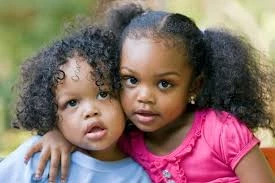
- Our family members of similar age
- We play and learn together
- We share things and help each other
- We protect and care for each other
- We greet them: “Good morning, brother/sister” or by their names
- COMMUNITY LEADERS:
Baale (Yoruba Community Leader):
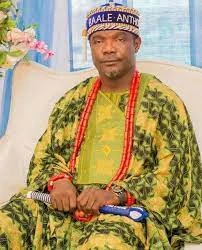
- Traditional leader in Yoruba communities
- Settles disputes between people
- Represents the community to government
- Ensures peace and order
- We greet him: “E ku aaro, Baale” (Good morning, Baale)
Chief:
- Traditional ruler in many Nigerian communities
- Advises people on important matters
- Preserves culture and traditions
- Helps solve community problems
- We greet him: “Good morning, Your Highness” or “Good morning, Chief”
Obi (Igbo Community Leader):

- Traditional ruler in Igbo communities
- Makes decisions for the community
- Settles land and family disputes
- Maintains law and order
- We greet him: “Ndewo, Obi” (Hello, Obi) or “Good morning, Your Majesty”
Emir (Northern Community Leader):

- Traditional ruler in Northern Nigerian communities
- Religious and political leader
- Guides people in Islamic teachings
- Maintains peace and security
- We greet him: “Sannu, Sarki” (Hello, King) or “Good morning, Your Highness”
Other Community Members:
- Teachers in our school
- Religious leaders (Pastor, Imam)
- Doctors and nurses
- Police officers
- Neighbors and friends
Proper Ways to Greet Different People:
Elders and Authority Figures:
- Bow or curtsy slightly
- Use respectful titles
- Speak clearly and politely
- Wait for them to respond
Age Mates and Friends:
- Wave and smile
- Use friendly greetings
- Be cheerful and warm
Greeting Words for Different Times:
- Morning: “Good morning”
- Afternoon: “Good afternoon”
- Evening: “Good evening”
- Night: “Good night”
Class Activity:
Practice greeting different community members through role-play. Let pupils take turns being community leaders and practice proper greetings.
Week 3 multiple choice exercise:
Choose the correct answer:
- Greeting shows: a) Disrespect to people b) Respect and good manners c) That we don’t care
- The father’s role in the family is to: a) Only sleep all day b) Provide food, shelter, and protection c) Create problems
- A Baale is a leader in: a) Igbo community b) Yoruba community c) Hausa community
- An Obi is a traditional ruler in: a) Yoruba community b) Hausa community c) Igbo community
- An Emir is found in: a) Southern communities only b) Northern Nigerian communities c) Only in schools
- When greeting an elder, we should: a) Be rude and disrespectful b) Bow slightly and use respectful titles c) Ignore them
- Siblings are: a) Our neighbors only b) Our brothers and sisters c) Our teachers
- In the evening, we say: a) “Good morning” b) “Good afternoon” c) “Good evening”
- Community leaders help to: a) Create problems b) Settle disputes and maintain peace c) Fight with people
- The mother’s role includes: a) Only watching television b) Taking care of the home and children c) Fighting with neighbors
Answers: 1(b), 2(b), 3(b), 4(c), 5(b), 6(b), 7(b), 8(c), 9(b), 10(b
This term's Civic Education topics
Basic 2 Second Term · 8 topics
- Community
- Meaning and Importance of Greeting Members of the Community
- Rules in the Community
- Community Leaders
- Roles of Community Leaders
- Qualities of a Community Leader
- Kinds of Work in Our Community
- Conscience
Second Term Civic Education Lesson Notes for Other Topics
Food Safety
Read the full lesson note.

Rules and Regulations
Read the full lesson note.
Gains of Obeying
Read the full lesson note.

Results of Disobeying Rules and Regulations
Read the full lesson note.
Importance of School Rules and Regulations
Read the full lesson note.
Why Rules and Regulations are Necessary
Read the full lesson note.

Results of Not Obeying Government Rules and Regulations
Read the full lesson note.

Obedience
Read the full lesson note.
Types of Values that Promote Peace - Part II
Read the full lesson note.

Concept of Cooperation
Read the full lesson note.
Concept of Tolerance
Read the full lesson note.
Concept of Forgiveness
Read the full lesson note.
Concept of Self-control
Read the full lesson note.

Concept of Moderation
Read the full lesson note.
Concept of Compassion
Read the full lesson note.
Lesson Notes for Other Classes

Basic 1 Lesson Note
The complete lesson note to guide your studies.

Basic 3 Lesson Note
The complete lesson note to guide your studies.

Basic 4 Lesson Note
The complete lesson note to guide your studies.

Basic 5 Lesson Note
The complete lesson note to guide your studies.

Basic 6 Lesson Note
The complete lesson note to guide your studies.

JSS1 Lesson Note
The complete lesson note to guide your studies.

