
Creativity Rhythemic Basic 5 Physical & Health Education Lesson Note
Download Lesson NoteTopic: Creativity Rhythemic
Learning Objectives
At the end of this lesson, pupils should be able to:
- Demonstrate rhythm
- Differentiate between animal sounds and sounds made by people
- State the importance of rhythm and movement
Embedded Core Skills
- Physical Coordination
- Creativity and Self-Expression
- Teamwork and Cooperation
- Listening and Attention
- Communication Skills
Materials Required
- Pictures or illustrations of various rhythmic activities
- Video clips demonstrating different rhythmic activities
- Music player and a selection of rhythmic music
- Markers and large paper for brainstorming
- Rhythm instruments (optional)
- Whiteboard and markers
- Handouts with information on rhythmic activities
Scheme of Work
- Online information
- Instructional material: picture chart
Building Background/Connection to Prior Knowledge
Pupils are familiar with the topic from their previous classes.
CONTENT
Creative Rhythmic

A creative rhythm is an end product of movements as children learn to move the parts of their body and to use them as instruments of expression.
Creative rhythm is a wonderful way for children to explore self-expression through movement. It allows them to discover the art of using their bodies as instruments. This can foster creativity, coordination, and a deeper connection to music and movement. Encouraging children to engage in creative rhythm contributes to a fun and educational experience.
Rhythm Activities
1. Clapping Patterns

Create and follow clapping patterns to develop rhythm and coordination.
2. Rhythmic Storytelling
Tell a story using rhythmic gestures and body movements to make it engaging.
3. Rhythm Instruments
Use percussion instruments like drums, shakers, or tambourines to explore rhythm.
4. Rhythm Sticks
Tap rhythm sticks together in various patterns and tempos.
5. Musical Chairs
Play the classic game with a musical twist, where children move to the beat of the music.
6. Rhythm Circle
Form a circle and pass a ball or object around to the beat of a song.
7. Body Percussion
Create rhythms using different parts of the body, such as stomping, clapping, or snapping fingers.
8. Rhythmic Art
Combine rhythm and art by painting or drawing to the beat of music.
9. Rhythm Freeze Dance
Dance to music, but when the music stops, freeze in a creative pose until it starts again.
10. Rhythmic Yoga
Incorporate yoga poses with rhythmic breathing to enhance mindfulness and body awareness.
These activities not only promote rhythmic skills but also encourage creativity, coordination, and teamwork among children.
Other Rhythmic Activities
1. Marching
Walking or moving in a regular, synchronized manner to a beat or rhythm.
2. Galloping
A type of movement where one foot steps forward and then the other foot is brought to meet it, creating a rhythmic pattern.
3. Hopping
Repeatedly jumping on one foot, often in a rhythmic or playful manner.
4. Singing
Using the voice to produce musical sounds and rhythms with words and melodies.
5. Dancing
Performing a series of coordinated movements in response to music or a beat.
6. Clapping

Creating rhythms by striking one’s palms together in various patterns.
7. Snapping
Working a sharp, rhythmic sound by quickly pressing the thumb and middle finger together.
8. Stomping
Creating rhythm by forcefully bringing one’s foot down onto a surface, such as the floor.
9. Skipping
A rhythmic step where one foot leads and the other foot alternates with the other.
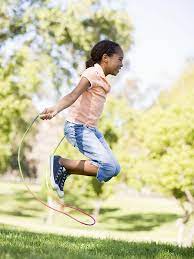
10. Jump Rope
Skipping or jumping over a moving rope in a rhythmic pattern, often accompanied by chants or songs.
11. Drumming

Playing percussion instruments like drums to create rhythmic patterns and beats.
12. Tap Dancing
A form of dance characterized by the tapping sound made when the small metal plates on the dancer’s shoes touch the floor.
13. Body Percussion
Creating rhythms by slapping, patting, or tapping different parts of the body.
14. Cup Stacking
A rhythmic activity where cups are stacked and unstacked in a specific pattern to a beat.
15. Rhythmic Gymnastics
Combining dance and gymnastics movements in a rhythmic and coordinated manner.
These rhythmic activities can be used for exercise, creative expression, and skill development while promoting a sense of rhythm and coordination.
First Term Physical & Health Education Lesson Notes for Other Topics
Moving Body Parts
Explore lesson notes covering all topics.

Movement
Explore lesson notes covering all topics.

Safety Rules In Movement
Explore lesson notes covering all topics.
Movement Of The Body: Matching, Jogging & Galloping
Explore lesson notes covering all topics.

Movement - Galloping, Skipping & Squatting
Explore lesson notes covering all topics.

Imitation
Explore lesson notes covering all topics.

Athletics
Explore lesson notes covering all topics.

Athletics: Long Jump
Explore lesson notes covering all topics.

Safety Rules In Athletics
Explore lesson notes covering all topics.

Movement Of The Body
Explore lesson notes covering all topics.

Athletics- Field Events (Long Jump)
Explore lesson notes covering all topics.

Personal Healthcare
Explore lesson notes covering all topics.

Volleyball Game
Explore lesson notes covering all topics.

Basketball Game
Explore lesson notes covering all topics.

First Aid And Its Uses
Explore lesson notes covering all topics.

Lesson Notes for Other Classes

Basic 2 Lesson Note
The complete lesson note to guide your studies.
Basic 3 Lesson Note
The complete lesson note to guide your studies.

Basic 4 Lesson Note
The complete lesson note to guide your studies.
JSS1 Lesson Note
The complete lesson note to guide your studies.
JSS2 Lesson Note
The complete lesson note to guide your studies.

JSS3 Lesson Note
The complete lesson note to guide your studies.