First Aid and its Uses – Basic 4 Physical & Health Education Lesson Note (First Term)
Download Lesson NoteLesson note at a glance
- Subject
- Physical & Health Education
- Class
- Basic 4
- Term
- First Term
- Topic
- First Aid and its Uses
- Order
- Topic 7 of 7 this term
- Reading time
- 10 min
LEARNING AREA
- Introductory Activities
- Understanding First Aid and Its Importance
- Contents of First Aid Box
- Grouping the Contents of First Aid Box
- Components of First Aid Box
- Water in First Aid
- Medication in First Aid
- Food in First Aid
- Practical First Aid Box Assembly
PERFORMANCE OBJECTIVES
By the end of the lesson, the pupils should have attained the following objectives (cognitive, affective and psychomotor) and be able to –
- define first aid and explain its importance.
- identify contents of a standard first aid box.
- group first aid box contents into appropriate categories.
- explain the components of a complete first aid box.
- understand the role of water in first aid treatment.
- identify appropriate medications for first aid use.
- recognize suitable food items for first aid situations.
- assemble a basic first aid box correctly.
ENTRY BEHAVIOR
The pupils understand basic safety concepts and can identify common household items used for treating minor injuries.
INSTRUCTIONAL MATERIALS
The teacher will teach the lesson with the aid of:
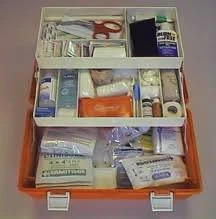
- Sample first aid box/kit
- Bandages (various sizes)

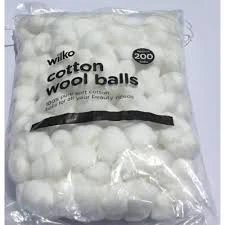
- Cotton wool/cotton balls
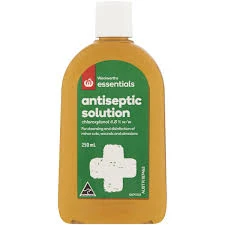
- Antiseptic solution
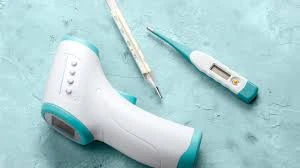
- Thermometer
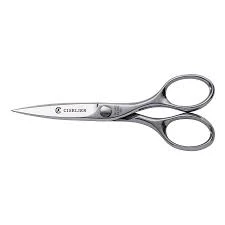
- Scissors (child-safe)
- Adhesive tape

- Plasters/band-aids

- Pain relief medication (paracetamol – for display only)
- Bottled water
- Glucose tablets/sweets
- Charts showing first aid contents
- Pictures of first aid items
- Empty boxes for sorting activities
METHOD OF TEACHING
Choose a suitable and appropriate methods for the lessons.
Note – Irrespective of choosing methods of teaching, always introduce an activities that will arouse pupil’s interest or lead them to the lessons.
REFERENCE MATERIALS
- Scheme of Work
- 9 – Years Basic Education Curriculum
- Course Book
- First Aid Manual
- All Relevant Material
- Online Information
CONTENT OF THE LESSON
LESSON 1 – UNDERSTANDING FIRST AID
WHAT IS FIRST AID?
First aid is the immediate care and treatment given to a person who is injured or suddenly becomes ill before professional medical help arrives. It involves simple, life-saving techniques that anyone can learn and perform.
IMPORTANCE OF FIRST AID:
- Saves Lives: Quick action can prevent serious complications
- Reduces Pain: Immediate treatment lessens suffering
- Prevents Further Injury: Proper care stops conditions from worsening
- Promotes Recovery: Early treatment speeds up healing
- Provides Comfort: Helps injured person feel cared for
- Buys Time: Keeps person stable until medical help arrives
BASIC PRINCIPLES OF FIRST AID:
- Preserve Life: Keep the person alive
- Prevent Deterioration: Stop condition from getting worse
- Promote Recovery: Help healing process begin
LESSON 2 – CONTENTS OF FIRST AID BOX
A first aid box is a container that holds essential supplies needed to provide immediate medical care for injuries and emergencies.
ESSENTIAL CONTENTS OF A FIRST AID BOX:
- BANDAGES AND DRESSINGS
- Triangular Bandages: For slings and large wound coverage
- Roller Bandages: Various sizes for wrapping injuries
- Adhesive Bandages (Plasters): For small cuts and scrapes
- Sterile Gauze Pads: For covering wounds
- Elastic Bandages: For sprains and joint support
- CLEANING AND ANTISEPTIC SUPPLIES
- Antiseptic Solution: For cleaning wounds (e.g., Dettol, iodine)
- Cotton Wool/Cotton Balls: For cleaning and applying antiseptic
- Alcohol Wipes: For sanitizing and cleaning
- Sterile Saline Solution: For washing wounds and eyes
- TOOLS AND INSTRUMENTS
- Scissors: For cutting bandages and tape
- Tweezers: For removing splinters and debris
- Thermometer: For checking body temperature
- Disposable Gloves: For protection during treatment
- Safety Pins: For securing bandages
- ADHESIVE MATERIALS
- Medical Tape: For securing dressings
- Adhesive Plasters: Various sizes for cuts
- Zinc Oxide Tape: Strong tape for secure binding
- MEDICATIONS (Basic)
- Paracetamol: For pain relief and fever reduction
- Antihistamine: For allergic reactions
- Oral Rehydration Salts: For dehydration
- Antiseptic Cream: For minor cuts and burns
- EMERGENCY SUPPLIES
- Emergency Contact Numbers: Important phone numbers
- First Aid Manual: Step-by-step instructions
- Emergency Blanket: For shock and warmth
- Flashlight: For examining injuries in poor light
LESSON 3 – GROUPING THE CONTENTS OF FIRST AID BOX
First aid box contents can be organized into logical groups for easy access and use:
GROUP 1: WOUND CARE SUPPLIES
Purpose: For treating cuts, scrapes, and open wounds
Items Include:
- Sterile gauze pads
- Adhesive bandages (plasters)
- Triangular bandages
- Roller bandages
- Antiseptic solution
- Cotton wool
- Medical tape
Uses:
- Covering and protecting wounds
- Stopping bleeding
- Preventing infection
- Securing dressings
GROUP 2: CLEANING AND SANITIZING SUPPLIES
Purpose: For cleaning wounds and maintaining hygiene
Items Include:
- Antiseptic wipes
- Alcohol-based sanitizer
- Sterile saline solution
- Cotton balls
- Disposable gloves
Uses:
- Cleaning wounds before treatment
- Preventing infection
- Maintaining clean conditions
- Protecting first aider from contamination
GROUP 3: TOOLS AND EQUIPMENT
Purpose: For examination and treatment procedures
Items Include:
- Scissors
- Tweezers
- Thermometer
- Flashlight
- Safety pins
Uses:
- Cutting bandages and tape
- Removing foreign objects
- Checking vital signs
- Examining injuries
- Securing dressings
GROUP 4: MEDICATIONS AND TREATMENTS
Purpose: For pain relief and basic medical treatment
Items Include:
- Paracetamol tablets
- Antihistamine
- Antiseptic cream
- Oral rehydration salts
Uses:
- Pain management
- Fever reduction
- Allergic reaction treatment
- Preventing dehydration
GROUP 5: EMERGENCY SUPPORT SUPPLIES
Purpose: For emergency situations and comfort
Items Include:
- Emergency blanket
- Emergency contact numbers
- First aid manual
- Instant cold pack
Uses:
- Treating shock
- Providing warmth
- Getting emergency help
- Reducing swelling
LESSON 4 – COMPONENTS OF FIRST AID BOX
BASIC COMPONENTS (ESSENTIAL)
Minimum Requirements for Any First Aid Box:
- Adhesive Bandages: Various sizes (at least 10 pieces)
- Sterile Gauze Pads: 2×2 inch and 4×4 inch sizes
- Medical Tape: 1 roll
- Antiseptic Wipes: Pack of 10
- Disposable Gloves: 2 pairs
- Scissors: 1 pair
- Thermometer: 1 digital thermometer
- Emergency Contact List: Laminated card
STANDARD COMPONENTS (RECOMMENDED)
For Home, School, or Workplace:
- All basic components plus:
- Triangular bandages (2)
- Roller bandages (2 different sizes)
- Cotton wool (1 pack)
- Tweezers (1 pair)
- Safety pins (6 pieces)
- Instant cold pack (2)
- Emergency blanket (1)
- First aid manual (1)
ADVANCED COMPONENTS (COMPREHENSIVE)
For Vehicles, Camping, or Remote Areas:
- All standard components plus:
- Elastic bandages
- Splinter forceps
- Emergency whistle
- Waterproof matches
- Emergency food supplies
- Water purification tablets
- Additional medications
LESSON 5 – WATER IN FIRST AID
Water plays a crucial role in first aid treatment and should be included in comprehensive first aid preparations.
TYPES OF WATER FOR FIRST AID:
- STERILE WATER
- Use: Cleaning deep wounds and eyes
- Source: Commercially bottled sterile water
- Storage: Sealed containers, replace regularly
- CLEAN DRINKING WATER
- Use: Drinking, mixing medications, general cleaning
- Source: Bottled water or filtered tap water
- Storage: Sealed bottles, check expiration dates
- SALINE SOLUTION
- Use: Eye irrigation, wound cleaning
- Source: Commercial saline or salt-water mixture
- Preparation: 1 teaspoon salt in 1 cup boiled water (cooled)
USES OF WATER IN FIRST AID:
WOUND CLEANING:
- Flush out dirt and debris
- Reduce risk of infection
- Prepare wound for dressing
- Clean around wound edges
EYE IRRIGATION:
- Remove foreign objects from eyes
- Flush out chemicals or irritants
- Treat eye injuries
- Provide relief from eye pain
DEHYDRATION TREATMENT:
- Replace lost body fluids
- Mix with oral rehydration salts
- Help prevent shock
- Support recovery process
GENERAL HYGIENE:
- Wash hands before treatment
- Clean first aid tools
- Maintain sanitary conditions
- Prevent cross-contamination
WATER STORAGE IN FIRST AID BOX:
Container Requirements:
- Sealed, sterile containers
- Clearly labeled with contents and date
- Easy-to-open caps
- Appropriate size for first aid box
Replacement Schedule:
- Check expiration dates regularly
- Replace every 6 months minimum
- Replace immediately if container is damaged
- Store in cool, dry place
LESSON 6 – MEDICATION IN FIRST AID
Medications in first aid boxes should be basic, safe, and appropriate for emergency use.
ESSENTIAL MEDICATIONS:
- PARACETAMOL (ACETAMINOPHEN)
Uses:
- Pain relief (headaches, minor injuries)
- Fever reduction
- General discomfort
Dosage Guidelines:
- Follow package instructions
- Age-appropriate dosing
- Never exceed recommended dose
- Check for allergies first
Storage:
- Keep in original packaging
- Check expiration dates
- Store in dry conditions
- Keep away from children
- ANTIHISTAMINE
Uses:
- Allergic reactions
- Insect bites and stings
- Skin rashes
- Hay fever symptoms
Types:
- Tablets or liquid form
- Age-appropriate formulations
- Non-drowsy varieties preferred
- ANTISEPTIC CREAM/OINTMENT
Uses:
- Minor cuts and scrapes
- Preventing infection
- Treating small burns
- Skin irritations
Application:
- Clean wound first
- Apply thin layer
- Cover with dressing if needed
- Reapply as directed
- ORAL REHYDRATION SALTS (ORS)
Uses:
- Dehydration from vomiting/diarrhea
- Heat exhaustion
- Excessive sweating
- Fluid loss
Preparation:
- Mix with clean water as directed
- Ensure proper dilution
- Give small, frequent sips
- Monitor patient response
MEDICATION SAFETY GUIDELINES:
Storage Requirements:
- Original containers only
- Clear labeling with expiration dates
- Dry, cool storage conditions
- Child-resistant containers
Usage Precautions:
- Check allergies before giving
- Follow age-appropriate dosing
- Read instructions carefully
- Never use expired medications
Adult Supervision:
- Children should never handle medications alone
- Adult must administer all medications
- Keep records of what was given
- Seek professional help if unsure
LESSON 7 – FOOD IN FIRST AID
Certain food items can be useful in first aid situations, particularly for blood sugar management and energy provision.
APPROPRIATE FOOD ITEMS:
- GLUCOSE TABLETS/SWEETS
Uses:
- Low blood sugar (hypoglycemia)
- Energy boost during weakness
- Diabetic emergencies
- Recovery from fainting
Storage:
- Wrapped individually
- Long shelf life
- Easy to carry
- Quick to consume
- CRACKERS OR DRY BISCUITS
Uses:
- Nausea and vomiting
- Empty stomach medication
- Settling upset stomach
- Providing carbohydrates
Requirements:
- Individually wrapped
- Long shelf life
- Easy to digest
- Non-allergenic varieties
- ENERGY BARS
Uses:
- Extended emergency situations
- Maintaining energy levels
- When regular meals unavailable
- Supporting recovery
Selection Criteria:
- High energy content
- Long shelf life
- Compact size
- Non-melting varieties
FOOD SAFETY IN FIRST AID:
Storage Considerations:
- Check expiration dates regularly
- Store in cool, dry conditions
- Protect from moisture and pests
- Replace regularly
Allergy Awareness:
- Avoid common allergens (nuts, chocolate)
- Choose plain, simple foods
- Check ingredients carefully
- Have alternatives available
Usage Guidelines:
- Only for conscious patients
- Check for swallowing difficulties
- Give small amounts initially
- Monitor patient response
FOODS TO AVOID IN FIRST AID BOXES:
Inappropriate Items:
- Chocolate (melts easily)
- Nuts (allergy risk)
- Dairy products (spoilage risk)
- Complex foods (digestion issues)
- Highly salted items (dehydration risk)
LESSON 8 – ASSEMBLING A FIRST AID BOX
CONTAINER SELECTION:
Ideal First Aid Box Characteristics:
- Waterproof or water-resistant
- Easy to carry handle
- Clear identification/labeling
- Multiple compartments
- Secure closure
- Appropriate size for location
Size Guidelines:
- Home: Medium box (30cm x 20cm x 10cm)
- Car: Compact box (25cm x 15cm x 8cm)
- Classroom: Large box (40cm x 30cm x 15cm)
- Personal: Small pouch (15cm x 10cm x 5cm)
ORGANIZATION TIPS:
Compartment System:
- Group similar items together
- Label compartments clearly
- Keep frequently used items accessible
- Store fragile items safely
Inventory Management:
- Create contents checklist
- Check supplies monthly
- Replace used or expired items
- Update emergency contact numbers
Accessibility:
- Store in known, accessible location
- Ensure multiple people know location
- Keep key items in easy reach
- Consider special needs accessibility
PRESENTATION
To deliver the lesson, the teacher adopts the following steps:
- To introduce the lesson, the teacher asks pupils about times when they or someone they know got hurt. Based on this, he/she discusses what was done to help;
- Explains what first aid is and shows a sample first aid box;
Pupil’s Activities – Examine the first aid box and identify items they recognize.
- Demonstrates the contents of a first aid box, explaining each item’s purpose;
Pupil’s Activities – Handle appropriate items safely and practice identifying their uses.
- Guides pupils in grouping first aid items into logical categories;
Pupil’s Activities – Sort first aid items into groups (wound care, cleaning, tools, etc.).
- Explains the role of water, medication, and food in first aid;
Pupil’s Activities – Discuss situations where water, medication, or food might be needed in emergencies.
- Demonstrates proper organization and storage of first aid supplies;
Pupil’s Activities – Help organize a classroom first aid box using proper grouping methods.
- Discusses safety rules for handling first aid materials;
Pupil’s Activities – Practice safe handling of first aid items and recite safety rules.
- Summary the lesson on the board.
Pupil’s Activities – Copy as the teacher writes.
CONCLUSION
To conclude the lesson for the week, the teacher revises all first aid box components and links them to the following week’s lesson on basic first aid procedures.
LESSON EVALUATION/ASSIGNMENT
Ask pupils to:
- List 10 essential items for a first aid box
- Group first aid items into 5 main categories
- Explain why water is important in first aid
- Name 3 appropriate medications for first aid use
- Design a simple first aid box for their home
WORKBOOK
WEEKLY ASSESSMENT (TEST)
- First aid is _______ care given before professional help arrives. A. Delayed B. Immediate
- A first aid box should contain _______ for cleaning wounds. A. Antiseptic solution B. Cooking oil
- _______ are used to remove splinters from skin. A. Tweezers B. Spoons
- Water in first aid is used for _______ wounds. A. Covering B. Cleaning
- _______ is a common pain relief medication in first aid boxes. A. Paracetamol B. Vitamin C
- Glucose tablets are used to treat _______. A. High blood pressure B. Low blood sugar
- First aid box contents should be grouped for _______. A. Easy access B. Decoration
- _______ should be checked regularly in first aid boxes. A. Color B. Expiration dates
- Bandages are used to _______ wounds. A. Cover and protect B. Make bigger
- List five groups of first aid box contents: a. _________________ b. _________________ c. _________________ d. _________________ e. _________________
This term's Physical & Health Education topics
Basic 4 First Term · 7 topics
First Term Physical & Health Education Lesson Notes for Other Topics
Sports and Games (Athletics)
Read the full lesson note.
Safety
Read the full lesson note.
Movement (Catching)
Read the full lesson note.

Movement (Throwing)
Read the full lesson note.

Moving our Body Parts
Read the full lesson note.
Movement
Read the full lesson note.
Revision of First Term : PHE
Read the full lesson note.
Athletics (Jumping)
Read the full lesson note.
Sports and Games (Athletics)
Read the full lesson note.

Safety Rules In Football Games
Read the full lesson note.
Football Game
Read the full lesson note.
Football Game
Read the full lesson note.
Basketball Game
Read the full lesson note.

Personal Healthcare
Read the full lesson note.
Volleyball Game
Read the full lesson note.
Lesson Notes for Other Classes

Basic 1 Lesson Note
The complete lesson note to guide your studies.
Basic 2 Lesson Note
The complete lesson note to guide your studies.
Basic 3 Lesson Note
The complete lesson note to guide your studies.
Basic 5 Lesson Note
The complete lesson note to guide your studies.
Basic 6 Lesson Note
The complete lesson note to guide your studies.
JSS1 Lesson Note
The complete lesson note to guide your studies.