
Modelling With Paper Mache JSS1 Cultural & Creative Arts (CCA) Lesson Note
Download Lesson NoteTopic: Modelling With Paper Mache
DEFINITION OF PAPIER MACHE
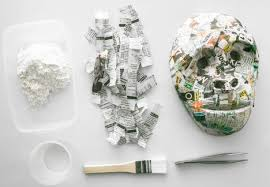
Papier mache can be defined as:
- Wet paper pounded and mixed with adhesive to form a moldable material
- A sculpting technique using paper and paste
- French term meaning “chewed paper”
- A method of creating objects using layers of paper and glue
ORIGIN AND HISTORY
- Originated in China during Han Dynasty (202 BC – 220 AD)
- Spread along Silk Road to Middle East and Europe
- Popular in Europe from 1725 as alternative to carved wood
- Used for decorative objects and masks
- Still widely used in festivals and art education
MATERIALS NEEDED FOR PAPIER MACHE
BASIC MATERIALS
- Paper
- Newspaper (most common)
- Tissue paper
- Paper towels
- Computer paper
- Brown paper bags
- Adhesives
- Flour and water paste
- White glue (PVA)
- Wallpaper paste
- Liquid starch
- Homemade paste recipes
- Armature/Molds
- Balloons
- Cardboard structures
- Wire frames
- Plastic bottles
- Clay forms
- Tools
- Bowls for paste
- Brushes
- Scissors
- Measuring cups
- Protective covering
- Finishing Materials
- Sandpaper
- Primer paint
- Acrylic paints
- Varnish or sealant
- Decorative items
METHODS OF PAPIER MACHE
STRIP METHOD
- Tear paper into strips
- Dip strips in paste
- Layer over armature
- Allow to dry between layers
- Build up 3-4 layers minimum
- Best for large projects
PULP METHOD
- Soak paper until soft
- Blend into pulp
- Mix with paste
- Mold directly into shape
- Good for detailed work
- Creates solid forms
LAYERING METHOD
- Use whole sheets of paper
- Apply paste with brush
- Smooth over form
- Build up layers
- Good for smooth surfaces
- Quick coverage
PREPARING PAPIER MACHE PASTE
FLOUR PASTE RECIPE
Ingredients:
- 1 part flour
- 1 part water
- Pinch of salt (prevents mold)
Instructions:
- Mix flour and water until smooth
- Heat while stirring (optional)
- Add salt
- Cool before using
- Store covered in refrigerator
GLUE PASTE RECIPE
Ingredients:
- 3 parts white glue
- 1 part water
Instructions:
- Mix glue and water
- Stir until well combined
- Use immediately
- Provides stronger bond
STEP-BY-STEP PROCESS
PREPARE WORKSPACE
- Cover surfaces with plastic
- Gather all materials
- Wear old clothes
- Have cleaning supplies ready
CREATE ARMATURE
- Design basic shape
- Build support structure
- Ensure stability
- Plan for removal if needed
PREPARE PAPER
- Tear into appropriate sizes
- Direction of tear matters
- Rough edges blend better
- Have plenty ready
MIX PASTE
- Follow recipe proportions
- Achieve cream consistency
- Make enough for session
- Keep covered while working
APPLY FIRST LAYER
- Dip strips in paste
- Remove excess paste
- Apply smoothly
- Overlap strips
- Cover entire surface
ADD MORE LAYERS
- Allow drying between layers
- Alternate strip directions
- Build strength gradually
- Minimum 3-4 layers
- More for structural pieces
DRYING PROCESS
- Air dry naturally
- Use fan for faster drying
- Avoid direct heat
- Check for soft spots
- May take 24-48 hours
FINISHING TOUCHES
- Sand rough areas
- Apply primer coat
- Paint as desired
- Add decorative elements
- Seal with varnish
TYPES OF PAPIER MACHE PROJECTS
SIMPLE PROJECTS
- Masks
- Bowls
- Picture frames
- Decorative eggs
- Small animals
INTERMEDIATE PROJECTS
- Puppets
- Piñatas
- Sculptures
- Jewelry boxes
- Wall hangings
ADVANCED PROJECTS
- Large sculptures
- Furniture pieces
- Architectural models
- Costume accessories
- Installation art
ADVANTAGES OF PAPIER MACHE
- Inexpensive materials
- Environmentally friendly
- Lightweight results
- Easy to learn
- Versatile medium
- Safe for children
- No special equipment
- Recyclable materials
CHALLENGES AND SOLUTIONS
COMMON PROBLEMS
- Mold growth
- Add salt to paste
- Ensure complete drying
- Store in dry place
- Weak structure
- Add more layers
- Use stronger paste
- Reinforce with wire
- Uneven surface
- Sand when dry
- Apply primer
- Use finer paper
- Slow drying
- Improve ventilation
- Use thinner layers
- Add fan circulation
SAFETY CONSIDERATIONS
- Work in ventilated area
- Protect skin from prolonged paste contact
- Clean up spills immediately
- Dispose of moldy materials
- Wash hands thoroughly
- Keep paste away from mouth
CULTURAL APPLICATIONS
- Festival masks and costumes
- Traditional decorations
- Educational models
- Theatre props
- Religious artifacts
- Community art projects
PAPIER MACHE IN NIGERIAN ART
- Carnival floats
- Cultural masks
- School projects
- Art installations
- Craft markets
- Workshop materials
TIPS FOR SUCCESS
- Plan design beforehand
- Work in stages
- Let each layer dry
- Use quality materials
- Practice techniques
- Be patient
- Experiment with textures
- Document process
STORAGE AND PRESERVATION
- Store finished pieces in dry area
- Protect from moisture
- Handle with care
- Repair damage promptly
- Display appropriately
- Consider climate conditions
First Term Cultural & Creative Arts (CCA) Lesson Notes for Other Topics

Types Of Objects And Shapes
Explore lesson notes covering all topics.

Shapes
Explore lesson notes covering all topics.

Organization Of Colour - Basic Colours
Explore lesson notes covering all topics.

Colour & Types of Basic Colours
Explore lesson notes covering all topics.

Importance Of Music
Explore lesson notes covering all topics.

Colour Mixing
Explore lesson notes covering all topics.

Traditional Songs
Explore lesson notes covering all topics.

Introduction To Craft Making
Explore lesson notes covering all topics.

Traditional Dance
Explore lesson notes covering all topics.

Meaning And Objectives Of Traditional Apprenticeship System
Explore lesson notes covering all topics.

Imaginative And Creative Drawing
Explore lesson notes covering all topics.

Creating Music With Solfa Notation
Explore lesson notes covering all topics.

Card Making And Decoration
Explore lesson notes covering all topics.

Role Play
Explore lesson notes covering all topics.

Song/Music With Nigerian Identity
Explore lesson notes covering all topics.

Lesson Notes for Other Classes

Basic 2 Lesson Note
The complete lesson note to guide your studies.
Basic 3 Lesson Note
The complete lesson note to guide your studies.

Basic 4 Lesson Note
The complete lesson note to guide your studies.
Basic 5 Lesson Note
The complete lesson note to guide your studies.
JSS2 Lesson Note
The complete lesson note to guide your studies.

JSS3 Lesson Note
The complete lesson note to guide your studies.