Waste and Waste Disposal – Basic 5 Basic Science Lesson Note (First Term)
Download Lesson NoteLesson note at a glance
- Subject
- Basic Science
- Class
- Basic 5
- Term
- First Term
- Topic
- Waste and Waste Disposal
- Order
- Topic 4 of 8 this term
- Reading time
- 3 min
Lesson objectives
By the end of this lesson, pupils should be able to:
- Explain the meaning of waste
- Differentiate between liquid and solid waste
- Give 3 examples of solid waste and liquid waste
Lesson 1 – introduction

Opening Discussion
Most waste around us is created by humans, including everyone in this classroom. Waste consists of unwanted or unusable materials or substances.
In our homes, communities, factories, and even in schools and industries, we generate a lot of waste. There is so much waste around us, and much of it could harm our health. However, some of this waste still has some value and can be reused or recycled.
Meaning of waste
Waste is any unwanted or unusable materials or substances.
Waste is any substance which is discarded after primary use, or is worthless, defective, and of no use to anyone.
Types of waste
There are two main types of waste:
1. Solid waste

Solid waste includes refuse or trash from homes, schools, markets, etc. Examples include:
- Paper and cardboard
- Plastic bottles and containers
- Food scraps and peels
- Broken toys and furniture
- Metal cans and tins
2. Liquid waste
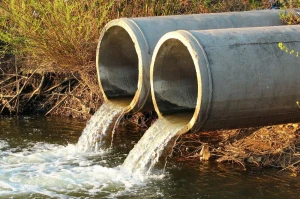
Liquid waste is sewage water from bathrooms, water closets, urine and feces, laundry water, etc. Examples include:
- Dirty water from washing dishes
- Used water from bathing
- Cooking oil and grease
- Paint and chemical liquids
- Sewage from toilets
Lesson activities
Activity 1: Waste Hunt
- Ask pupils to look around the classroom and identify different waste materials
- Have them classify what they see as either solid or liquid waste
Activity 2: Waste Sorting Game

- Display a chart showing different waste products
- Ask pupils to examine the chart and identify each type of waste
- Have them describe the contents of the chart and sort items into solid and liquid categories
Activity 3: Real-Life Examples
- Ask pupils to state where different types of waste can be found in their homes and community
- Encourage them to share examples from their daily experiences
Activity 4: Group Discussion
- Lead pupils to explain the meaning of waste in their own words
- Have them follow the teacher’s explanation and ask questions for clarity
Activity 5: Classification Exercise
- List and explain different types of waste on the board
- Have pupils listen to the teacher’s explanation and help classify household, school, and market waste as liquid or solid
Activity 6: Summary Activity
- Ask pupils to summarize the meaning and types of waste on the board
- Have them copy notes as the teacher writes key points
Lesson evaluation
Ask pupils to:
- Explain the meaning of waste
- Expected answer: Waste is any unwanted or unusable materials or substances that are discarded after use.
- Differentiate between liquid and solid waste
- Solid waste: Physical materials like paper, plastic, food scraps that you can touch and pick up
- Liquid waste: Watery substances like dirty water, sewage, used cooking oil
- Give 3 examples of:
Solid waste:- Plastic bottles
- Food peels
- Broken toys
- Paper waste
- Metal cans
- Liquid waste:
- Dirty dishwater
- Bathroom sewage
- Used cooking oil
- Chemical liquids
- Laundry water
CONCLUSION
To conclude today’s lesson, the teacher reviews the entire lesson and connects it to real-life situations. The teacher emphasizes that understanding waste and its types helps us keep our environment clean and healthy.
Next lesson preview
Topic: Meaning of Waste Disposal | Advantages of Proper Waste Disposal | Effects of Improper Waste Disposal
In our next class, we will learn about:
- How to properly dispose of different types of waste
- Why proper waste disposal is important for our health and environment
- What happens when we don’t dispose of waste properly
HOMEWORK
Ask pupils to:
- List 5 solid wastes and 5 liquid wastes they can find at home
- Draw and color 3 examples of solid waste
- Ask their parents about how waste is disposed of in their community
Teacher’s notes
- Use real examples and materials when possible to make the lesson more engaging
- Encourage pupils to ask questions and share their experiences
- Emphasize the importance of keeping the environment clean
- Connect the lesson to pupils’ daily lives and experiences
This term's Basic Science topics
Basic 5 First Term · 8 topics
First Term Basic Science Lesson Notes for Other Topics

Energy IV
Read the full lesson note.
Sports and Games (Athletics)
Read the full lesson note.
Energy III
Read the full lesson note.
Safety
Read the full lesson note.
Monitor and Mouse
Read the full lesson note.
Energy II
Read the full lesson note.
Movement (Catching)
Read the full lesson note.

Energy I
Read the full lesson note.
Non-Living Things
Read the full lesson note.
Living Things II
Read the full lesson note.
Living Things
Read the full lesson note.
Water II
Read the full lesson note.
Water
Read the full lesson note.
Measurement Of Length
Read the full lesson note.
Measurement Of Mass
Read the full lesson note.
Lesson Notes for Other Classes

Basic 1 Lesson Note
The complete lesson note to guide your studies.
Basic 2 Lesson Note
The complete lesson note to guide your studies.
Basic 3 Lesson Note
The complete lesson note to guide your studies.
Basic 4 Lesson Note
The complete lesson note to guide your studies.
Basic 6 Lesson Note
The complete lesson note to guide your studies.

JSS1 Lesson Note
The complete lesson note to guide your studies.