
The Senses – Smell Basic 2 Basic Science Lesson Note
Download Lesson NoteTopic: The Senses – Smell
Learning Objectives: By the end of this lesson, pupils should be able to:
- identify the nose as the organ of smell
- recognize items (like fruits, food etc) through smelling
- describe pleasant and unpleasant odors
- associate odors with specific pleasant and unpleasant smells
- appraise the importance of nose/odors in daily activities
Lesson Content:
The Sense of Smell: Smell is our ability to detect different odors in the air using our nose. It helps us know about things even without seeing them.
The Nose – Organ of Smell:
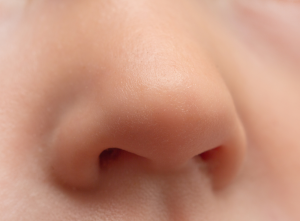
- Nose is the organ we use for smelling
- It has two openings called nostrils
- Inside the nose are special cells that detect smells
- We breathe in air and smell comes with it
How We Smell:
- Odor particles float in the air
- We breathe them in through our nose
- Special cells in nose detect the smell
- Brain tells us what we are smelling
Pleasant Odors (Good Smells):
- Flowers: Rose, jasmine, sunflower
- Food: Fresh bread, cake, rice cooking
- Fruits: Orange, apple, pineapple, mango
- Clean things: Soap, shampoo, clean clothes
- Nature: Fresh air after rain, grass
Unpleasant Odors (Bad Smells):
- Rotten food: Spoiled fruit, bad meat
- Dirty places: Garbage, toilet, stagnant water
- Smoke: Cigarette smoke, burning plastic
- Body odors: Sweat, dirty clothes, bad breath
- Chemicals: Paint, petrol, strong cleaning products
Recognizing Items Through Smell:
Fruits:
- Orange: Sweet, citrus smell
- Banana: Sweet, fruity smell
- Apple: Fresh, sweet smell
- Mango: Sweet, tropical smell
Food:
- Bread: Warm, yeasty smell
- Rice: Light, grain smell
- Soup: Rich, savory smell
- Chocolate: Sweet, rich smell
Other Items:
- Flowers: Sweet, perfume-like
- Soap: Clean, fresh smell
- Medicine: Strong, chemical smell
- Books: Paper, ink smell
Importance of the Nose/Smell:
- Safety: Warns us of gas leaks, fire, spoiled food
- Food: Helps us know if food is fresh or spoiled
- Hygiene: Tells us when we need to wash or clean
- Enjoyment: Let us enjoy flowers, perfumes, good food
- Memory: Smells remind us of places and people
- Health: Loss of smell might mean we are sick
Taking Care of Our Nose:
- Keep nose clean by washing face daily
- Don’t put fingers or objects in nose
- Blow nose gently when congested
- Stay away from strong, harmful chemicals
- Tell adults if you can’t smell or if nose hurts
Smell and Safety:
- Don’t eat food that smells bad
- Move away from smoke or strong chemical smells
- Tell adults about gas or burning smells
- Don’t smell unknown substances
First Term Basic Science Lesson Notes for Other Topics

Measurement Of Length
Explore lesson notes covering all topics.

Measurement Of Mass
Explore lesson notes covering all topics.

Measurement Of Time
Explore lesson notes covering all topics.
Forms Of Energy - Light Energy
Explore lesson notes covering all topics.

Mirror - Image Formation
Explore lesson notes covering all topics.

Forms Of Technology I - Underdeveloped Technology, Software Application.
Explore lesson notes covering all topics.
Forms Of Technology II - Developed Technology
Explore lesson notes covering all topics.

Forms Of Technology III - General Uses Of Technology
Explore lesson notes covering all topics.

Features Of System Unit
Explore lesson notes covering all topics.

Features of CPU
Explore lesson notes covering all topics.

Sandy Soil
Explore lesson notes covering all topics.

The Senses - Touch
Explore lesson notes covering all topics.

The Senses - Taste
Explore lesson notes covering all topics.

The Senses - Hearing
Explore lesson notes covering all topics.

The Senses - Sight
Explore lesson notes covering all topics.
Lesson Notes for Other Classes
Basic 1 Lesson Note
The complete lesson note to guide your studies.

Basic 3 Lesson Note
The complete lesson note to guide your studies.

Basic 4 Lesson Note
The complete lesson note to guide your studies.
Basic 5 Lesson Note
The complete lesson note to guide your studies.

Basic 6 Lesson Note
The complete lesson note to guide your studies.

JSS1 Lesson Note
The complete lesson note to guide your studies.