
Sandy Soil Basic 2 Basic Science Lesson Note
Download Lesson NoteTopic: Sandy Soil
Learning Objectives: By the end of this lesson, pupils should be able to:
- collect and identify soil type (sandy)
- examine to identify the organisms in the soil
- describe the texture, color and size of the soil particles
Lesson Content:
Sandy Soil – Detailed Study:
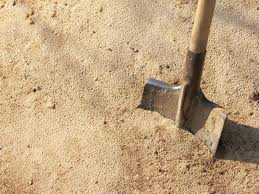
Meaning of Sandy Soil: Sandy soil is a type of soil made up mainly of sand particles. It feels rough and gritty when you touch it.
How to Collect Sandy Soil:
- Look for sandy areas in school compound
- Use small shovel or hands to dig
- Take soil from 2-3 inches below surface
- Put soil in container or plastic bag
- Label your sample “Sandy Soil”
Identifying Sandy Soil:
Physical Characteristics:
- Feel: Rough, gritty, like fine stones
- Appearance: Individual particles can be seen
- Behavior: Falls apart easily, doesn’t stick together
- Drainage: Water passes through quickly
Texture of Sandy Soil:
- Rough texture: Feels scratchy on fingers
- Grainy: Like tiny pieces of glass or stone
- Non-sticky: Doesn’t stick to hands when wet
- Loose: Particles don’t bind together well
Color of Sandy Soil:
- Light brown: Most common color
- Gray: Sometimes found near rivers
- White: Very clean sand areas
- Reddish: When contains iron particles
- Yellow: Common in some coastal areas
Size of Sandy Soil Particles:
- Large particles: Can see individual grains
- 0.05mm to 2mm: Scientific measurement
- Comparison: Bigger than clay, smaller than gravel
- Visible: Easy to see with naked eye
Organisms in Sandy Soil:
Small Animals:
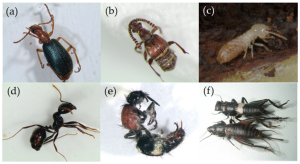
- Ants: Make tunnels in sand
- Beetles: Small insects that live in soil
- Spiders: Hunt other insects in soil
- Millipedes: Long insects with many legs
Worms:
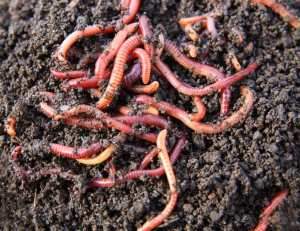
- Earthworms: Help make soil better
- Small worms: Very tiny, hard to see
- Function: Break down dead plants
Microscopic Life:
- Bacteria: Very tiny living things
- Fungi: Help break down organic matter
- Protozoans: Single-celled organisms
Plant Roots:
- Small pieces of roots from plants
- Help hold soil particles together
- Add organic matter when they die
How to Examine Organisms:
- Visual inspection: Look carefully at soil sample
- Use magnifying glass: See smaller organisms better
- Spread on white paper: Makes organisms easier to spot
- Gentle digging: Carefully separate soil to find life
- Observation time: Watch for movement
Properties of Sandy Soil:
Advantages:
- Good drainage: Water doesn’t stay too long
- Easy to dig: Soft and loose
- Warms up quickly: Good for some plants
- Good air circulation: Plant roots can breathe
Disadvantages:
- Dries out quickly: Needs frequent watering
- Low nutrients: Not very fertile
- Doesn’t hold shape: Hard to build with
- Erosion prone: Wind and rain wash it away easily
Plants That Grow in Sandy Soil:
- Cassava: Root crop that tolerates sandy soil
- Coconut palm: Grows well in coastal sand
- Cactus: Adapted to dry, sandy conditions
- Some grasses: Specialized for sandy areas
Uses of Sandy Soil:
- Construction: Mixed with cement for building
- Playgrounds: Soft surface for children
- Gardens: Mixed with other soils for drainage
- Sports: Beach volleyball, sandbox play
Caring for Sandy Soil:
- Add organic matter (compost, dead leaves)
- Water more frequently
- Plant cover crops to prevent erosion
- Add clay or loam to improve fertility
First Term Basic Science Lesson Notes for Other Topics

Measurement Of Length
Explore lesson notes covering all topics.

Measurement Of Mass
Explore lesson notes covering all topics.

Measurement Of Time
Explore lesson notes covering all topics.
Forms Of Energy - Light Energy
Explore lesson notes covering all topics.

Mirror - Image Formation
Explore lesson notes covering all topics.

Forms Of Technology I - Underdeveloped Technology, Software Application.
Explore lesson notes covering all topics.
Forms Of Technology II - Developed Technology
Explore lesson notes covering all topics.

Forms Of Technology III - General Uses Of Technology
Explore lesson notes covering all topics.

Features Of System Unit
Explore lesson notes covering all topics.

Features of CPU
Explore lesson notes covering all topics.

The Senses - Touch
Explore lesson notes covering all topics.

The Senses - Taste
Explore lesson notes covering all topics.

The Senses - Smell
Explore lesson notes covering all topics.

The Senses - Hearing
Explore lesson notes covering all topics.

The Senses - Sight
Explore lesson notes covering all topics.
Lesson Notes for Other Classes
Basic 1 Lesson Note
The complete lesson note to guide your studies.

Basic 3 Lesson Note
The complete lesson note to guide your studies.

Basic 4 Lesson Note
The complete lesson note to guide your studies.
Basic 5 Lesson Note
The complete lesson note to guide your studies.

Basic 6 Lesson Note
The complete lesson note to guide your studies.
JSS1 Lesson Note
The complete lesson note to guide your studies.