
Processing of Harvested Crops: Grinding, Milling – Basic 5 Agricultural Science Lesson Note (First Term)
Download Lesson NoteLesson note at a glance
- Subject
- Agricultural Science
- Class
- Basic 5
- Term
- First Term
- Topic
- Processing of Harvested Crops: Grinding, Milling
- Order
- Topic 8 of 9 this term
- Reading time
- 7 min

Learning objectives
By the end of this lesson, pupils should be able to:
- Describe the methods of processing crops
- Outline the benefits of processing crops
- Create fruit juice from harvested fruits
Previous knowledge
Pupils have learned about preservation of harvested crops using various storage methods in the previous lesson.
INTRODUCTION
After crops have been harvested and stored, they can be processed to make them more useful, nutritious, or valuable. Processing changes crops from their raw form into products that are easier to use, store, or sell.
Lesson content
1. Description of methods of processing crops
What is Crop Processing? Crop processing is changing harvested crops from their natural form into different products that are more useful, valuable, or easier to consume.
- MECHANICAL PROCESSING METHODS
- GRINDING Definition: Breaking crops into smaller particles or powder using mechanical force.
Process:
- Crops are fed into grinding machines
- Rotating stones or metal plates crush the crops
- Material is ground to desired fineness
- Ground material is collected and sieved
Equipment Used:
- Traditional grinding stones (mortar and pestle)
- Made of stone or wood
- Manual operation
- Good for small quantities
- Common in rural areas
- Modern grinding machines
- Electric or diesel powered
- Various sizes available
- Faster and more efficient
- Can handle large quantities
Crops Commonly Ground:
- Maize → Corn flour, cornmeal
- Rice → Rice flour
- Cassava → Cassava flour (garri, fufu flour)
- Yam → Yam flour
- Pepper → Pepper powder
- Ginger → Ginger powder
- MILLING Definition: Processing grains to remove outer layers and break them into smaller pieces or flour.
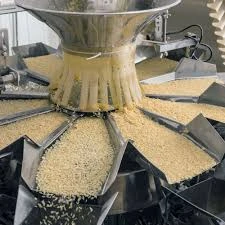
Types of Milling:
- a) Rice Milling
- Dehusking: Removing outer husk
- Whitening: Removing bran layer
- Polishing: Making rice white and shiny
- Grading: Separating by size
- b) Wheat Milling
- Cleaning: Removing foreign materials
- Conditioning: Adding moisture
- Grinding: Breaking into flour
- Sifting: Separating flour from bran
- c) Maize Milling
- Degerming: Removing germ
- Grinding: Breaking into meal or flour
- Sieving: Separating different grades
Equipment for Milling:
- Hulling machines (for rice)
- Flour mills
- Hammer mills
- Roller mills
- Sieving machines
- OTHER PROCESSING METHODS
- FERMENTATION
- Using microorganisms to change crop characteristics
- Examples: Cassava to garri, maize to ogi/pap
- Improves digestibility and storage life
- Adds flavor and nutritional value
- DRYING AND DEHYDRATION
- Removing moisture to preserve crops
- Sun drying, solar drying, artificial drying
- Examples: Dried tomatoes, dried fruits, dried vegetables
- Concentrates flavor and nutrients
- EXTRACTION
- Removing specific components from crops
- Oil extraction from palm fruits, groundnut, coconut
- Juice extraction from fruits
- Starch extraction from cassava
- COOKING AND PARBOILING
- Heat treatment to improve quality
- Parboiled rice has better nutritional value
- Cooking makes crops more digestible
- Steaming vegetables preserves nutrients
2. Benefits of processing crops
- ECONOMIC BENEFITS
- Value Addition
- Processed crops sell for higher prices
- Creates more income for farmers
- Develops rural economy
- Provides employment opportunities
- Market Expansion
- Processed products have wider markets
- Easier to transport and sell
- Longer shelf life allows distant sales
- Attracts different types of buyers
- Reduced Waste
- Uses crops that might otherwise spoil
- Converts low-grade crops to useful products
- Utilizes crop by-products
- Minimizes post-harvest losses
- NUTRITIONAL BENEFITS
- Improved Digestibility
- Processing breaks down complex compounds
- Makes nutrients more available
- Easier for body to absorb
- Reduces anti-nutritional factors
- Enhanced Nutrition
- Some processing methods add nutrients
- Fortification with vitamins and minerals
- Concentration of beneficial compounds
- Removal of harmful substances
- Better Palatability
- Improves taste and texture
- Makes crops more appealing
- Increases food acceptance
- Encourages consumption
- PRACTICAL BENEFITS
- Convenience
- Ready-to-use products
- Saves cooking time
- Easy to prepare meals
- Suitable for busy lifestyles
- Storage Advantages
- Longer shelf life
- Easier to store
- Less storage space needed
- Reduced spoilage
- Safety Improvements
- Removes harmful microorganisms
- Reduces toxins and contaminants
- Makes food safer to eat
- Prevents foodborne illnesses
3. Creating fruit juice from harvested fruits
MATERIALS NEEDED:
- Fresh fruits (oranges, pineapple, watermelon, etc.)
- Clean knife
- Cutting board
- Juicer or blender
- Strainer or sieve
- Clean containers/bottles
- Clean water
- Sugar (optional)
STEP-BY-STEP PROCESS:
Step 1: Fruit Selection and Preparation
- Choose ripe, healthy fruits
- Wash fruits thoroughly with clean water
- Remove any damaged or spoiled parts
- Peel fruits that need peeling (oranges, pineapple)
Step 2: Cutting and Preparation
- Cut fruits into small pieces
- Remove seeds and hard parts
- For citrus fruits, separate segments
- Arrange cut fruits in clean bowl
Step 3: Juice Extraction
Method A: Manual Squeezing (for citrus fruits)
- Cut oranges in half
- Squeeze each half over strainer
- Collect juice in clean container
- Remove seeds and pulp
Method B: Using Blender
- Put fruit pieces in blender
- Add small amount of clean water if needed
- Blend until smooth
- Strain through fine sieve
Method C: Using Fruit Press
- Place fruits in press
- Apply pressure to extract juice
- Collect juice in clean container
- Filter if necessary
Step 4: Straining and Filtering
- Pour extracted juice through strainer
- Remove pulp and remaining seeds
- Use fine cloth for clearer juice
- Collect filtered juice
Step 5: Flavoring and Preservation
- Add sugar if desired (optional)
- Add small amount of lime for preservation
- Mix thoroughly
- Taste and adjust flavor
Step 6: Packaging and Storage
- Pour juice into clean bottles
- Seal containers tightly
- Label with contents and date
- Store in cool place or refrigerator
DIFFERENT FRUIT JUICES TO MAKE:
Orange Juice:
- Select sweet, ripe oranges
- Roll oranges to soften before cutting
- Squeeze by hand or use juicer
- Strain to remove pulp
Pineapple Juice:
- Peel and core pineapple
- Cut into chunks
- Blend with little water
- Strain for smooth juice
Watermelon Juice:
- Remove seeds from watermelon
- Blend flesh until smooth
- Strain if desired
- Serve chilled
Mixed Fruit Juice:
- Combine different fruits
- Balance sweet and tart flavors
- Blend together
- Strain and serve
4. Quality control in fruit juice processing
HYGIENE PRACTICES:
- Wash hands thoroughly before starting
- Use clean equipment and containers
- Wash fruits properly
- Work in clean environment
QUALITY CHECKS:
- Use only fresh, ripe fruits
- Remove damaged portions
- Taste juice before packaging
- Check for proper consistency
PRESERVATION METHODS:
- Pasteurization (heating to kill microorganisms)
- Adding natural preservatives (lime juice)
- Proper packaging
- Cold storage
5. Simple crop processing activities for school
GRINDING ACTIVITIES:
- Grind dry maize using mortar and pestle
- Make pepper powder from dried peppers
- Grind rice to make rice flour
- Process ginger into powder
EXTRACTION ACTIVITIES:
- Extract oil from groundnuts
- Make coconut milk from fresh coconut
- Extract starch from cassava
- Make palm oil from palm fruits
DRYING ACTIVITIES:
- Dry tomato slices in the sun
- Make dried fruit from mangoes
- Dry vegetables for preservation
- Process cassava into garri
Evaluation questions
- What is crop processing?
- Name three mechanical processing methods
- What is the difference between grinding and milling?
- List five crops that can be ground into flour
- Give four benefits of processing crops
- What equipment is used for traditional grinding?
- Describe the steps in making orange juice
- Why is fruit juice processing important?
- How does processing add value to crops?
- What materials are needed for making fruit juice?
- Name three preservation methods for fruit juice
- How does processing improve food safety?
ASSIGNMENT
- Make fruit juice at home using any available fruits
- Record the steps you followed
- Calculate how much juice you got from the fruits used
- Ask your parents about traditional crop processing methods in your community
- Visit a local mill or processing center and observe the operations
Practical activity
School Processing Project:
- Fruit Juice Making Session
- Bring different fruits to school
- Set up juice-making stations
- Practice proper hygiene
- Make different types of fruit juices
- Package and label the juices
- Traditional Grinding Practice
- Use mortar and pestle to grind maize
- Make pepper powder from dried peppers
- Compare traditional and modern methods
- Measure time and efficiency
- Mini Processing Exhibition
- Display different processed products
- Demonstrate processing techniques
- Compare raw crops with processed products
- Taste and evaluate different products
CONCLUSION
Processing crops adds value and makes them more useful for consumption and sale. Simple methods like grinding, milling, and juice extraction can be done at home or school. Understanding processing helps farmers and communities get more benefits from their harvested crops and creates opportunities for small businesses.
REFERENCES
- Primary Agricultural Science Textbook for Primary 6
- Small-scale Food Processing Manual
- Fruit and Vegetable Processing Guide
- Traditional Food Processing Methods in Nigeria
This term's Agricultural Science topics
Basic 5 First Term · 9 topics
First Term Agricultural Science Lesson Notes for Other Topics
Preservation of Farm Produce
Read the full lesson note.

Factors that may Hinder Preservation
Read the full lesson note.
Methods of Preserving the Farm Produce; Sun Drying, Smoking
Read the full lesson note.
Preservation of Grains and Cereals Crops
Read the full lesson note.
Preservation of Roots and Tubers Crops
Read the full lesson note.
Preservation of Fruits: Orange, Banana, Tomatoes, Pawpaw...
Read the full lesson note.

Conservation of Oil Crops: Soya Bean, Oil Palm, Groundnut
Read the full lesson note.
Preservation of Vegetables
Read the full lesson note.

Health And Safety
Read the full lesson note.
Procedures For Crop Production
Read the full lesson note.

Crop Production
Read the full lesson note.

Planting Activities
Read the full lesson note.
Post-Planting Activities
Read the full lesson note.
Post-Harvesting Activities; Sorting, Grading, And Storage
Read the full lesson note.
Harvesting Activities
Read the full lesson note.
Lesson Notes for Other Classes

Basic 1 Lesson Note
The complete lesson note to guide your studies.

Basic 2 Lesson Note
The complete lesson note to guide your studies.

Basic 3 Lesson Note
The complete lesson note to guide your studies.

Basic 4 Lesson Note
The complete lesson note to guide your studies.

Basic 6 Lesson Note
The complete lesson note to guide your studies.

JSS1 Lesson Note
The complete lesson note to guide your studies.

