Post-Harvesting Activities; Sorting, Grading, and Storage – Basic 5 Agricultural Science Lesson Note (First Term)
Download Lesson NoteLesson note at a glance
- Subject
- Agricultural Science
- Class
- Basic 5
- Term
- First Term
- Topic
- Post-Harvesting Activities; Sorting, Grading, and Storage
- Order
- Topic 6 of 9 this term
- Reading time
- 5 min
Learning objectives
By the end of this lesson, pupils should be able to:
- Explain post harvesting activities
- Outline the importance of post harvesting activities
- Carry out sorting of harvested crops from the school farm
Previous knowledge
Pupils have learned about harvesting activities and recognizing the right time for harvesting crops in the previous lesson.
INTRODUCTION
After farmers harvest their crops, the work is not yet finished. The harvested crops must be properly handled to maintain their quality and prevent losses. These activities done after harvesting are called post-harvesting activities.
Lesson content
1. Explanation of post harvesting activities
What are Post Harvesting Activities? Post harvesting activities are all the operations carried out on crops after they have been harvested from the farm. These activities help to maintain crop quality, reduce losses, and prepare crops for use or sale.
Main Post Harvesting Activities:
- Sorting
- Grading
- Cleaning
- Drying
- Storage
- Packaging
- Transportation
- Processing
2. Detailed explanation of main activities
- SORTING
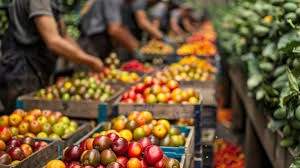
What is Sorting? Sorting is separating harvested crops into different groups based on certain characteristics.
Criteria for Sorting:
- Size: Large, medium, small
- Color: Ripe, unripe, overripe
- Quality: Good, damaged, diseased
- Type: Different varieties of same crop
- Maturity: Fully mature, partially mature
Examples of Sorting:
- Separating good tomatoes from damaged ones
- Grouping oranges by size (large, medium, small)
- Separating ripe bananas from unripe ones
- Removing stones and foreign materials from beans
GRADING
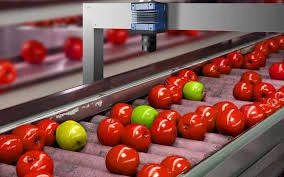
What is Grading? Grading is classifying sorted crops into different quality levels or standards.
Grading Categories:
- Grade A (Premium): Best quality, highest price
- Grade B (Standard): Good quality, medium price
- Grade C (Commercial): Fair quality, lower price
- Reject: Poor quality, very low price or animal feed
Factors for Grading:
- Size and weight
- Color and appearance
- Freedom from defects
- Uniformity
- Freshness
- CLEANING
What is Cleaning? Removing dirt, dust, chaff, stones, and other foreign materials from harvested crops.
Methods of Cleaning:
- Winnowing: Using wind to separate light materials
- Sieving: Using screens to separate by size
- Washing: Using water to remove dirt
- Hand picking: Removing foreign materials by hand
- DRYING
What is Drying? Reducing the moisture content of crops to prevent spoilage.
Methods of Drying:
- Sun drying: Spreading crops under direct sunlight
- Shade drying: Drying in well-ventilated shade
- Artificial drying: Using machines or ovens
- STORAGE
What is Storage? Keeping harvested crops in good condition for future use.
Storage Requirements:
- Clean, dry place
- Protection from pests and rodents
- Proper ventilation
- Suitable containers
- Regular monitoring
3. Importance of post harvesting activities
- ECONOMIC BENEFITS
- Reduces Losses
- Prevents crops from spoiling
- Reduces waste during handling
- Maintains crop value
- Increases Income
- Better quality crops get higher prices
- Graded crops are more marketable
- Reduces rejection by buyers
- Extends Market Period
- Stored crops can be sold later
- Take advantage of better prices
- Steady income throughout the year
- QUALITY BENEFITS
- Maintains Nutritional Value
- Proper handling preserves nutrients
- Prevents contamination
- Keeps crops fresh longer
- Improves Appearance
- Clean, sorted crops look attractive
- Better presentation to buyers
- Increases consumer confidence
- Ensures Food Safety
- Removes contaminated crops
- Prevents disease spread
- Protects consumer health
- SOCIAL BENEFITS
- Food Security
- Stored crops provide food during lean periods
- Reduces hunger in communities
- Emergency food supply
- Employment Creation
- Provides jobs for many people
- Skills development opportunities
- Support for rural communities
4. Carrying out sorting of harvested crops
MATERIALS NEEDED:
- Harvested crops from school farm
- Sorting trays or baskets
- Weighing scale (if available)
- Clean containers for different groups
STEPS FOR SORTING:
Step 1: Preparation
- Clean the sorting area
- Arrange sorting containers
- Get all tools ready
- Wash hands properly
Step 2: Initial Examination
- Spread crops on sorting table
- Look at all crops carefully
- Identify obvious problems
- Plan sorting criteria
Step 3: Sort by Quality
- Group 1: Perfect condition crops
- Group 2: Good condition with minor defects
- Group 3: Damaged but usable crops
- Group 4: Severely damaged or diseased crops
Step 4: Sort by Size
- Within each quality group, sort by size
- Large size
- Medium size
- Small size
Step 5: Final Checking
- Review each group
- Move wrongly placed items
- Ensure consistency
- Label each group
Step 6: Record Keeping
- Count items in each group
- Weigh if possible
- Record percentages
- Note observations
5. Practical sorting examples
SORTING TOMATOES:
- Remove rotten and damaged fruits
- Group by ripeness: green, turning, ripe
- Sort by size within each ripeness group
- Remove any with pest damage
SORTING MAIZE:
- Remove cobs with mold or pest damage
- Group by size of cobs
- Sort by grain quality and color
- Remove any foreign materials
SORTING BEANS:
- Remove damaged and broken seeds
- Sort by color (if mixed varieties)
- Remove stones and chaff
- Group by size if needed
SORTING ORANGES:
- Remove damaged and overripe fruits
- Sort by size and weight
- Group by color and ripeness
- Check for pest holes
Evaluation questions
- What are post harvesting activities?
- List six post harvesting activities
- What is the difference between sorting and grading?
- Give four criteria used for sorting crops
- Why is sorting important in post harvest handling?
- What are the three main grading categories?
- Name four methods of cleaning crops
- List five economic benefits of post harvesting activities
- What tools are used for sorting crops?
- Why should damaged crops be separated from good ones?
- How does proper post harvest handling increase farmer’s income?
- What factors are considered when grading crops?
ASSIGNMENT
- Sort different types of crops at home (beans, rice, or any available crop)
- Group them by size and quality
- Count how many are in each group
- Calculate the percentage of each group
- Report your findings to the class
Practical activity
On the school farm:
- Collect harvested crops from the school farm
- Set up sorting stations for different crops
- Practice sorting by quality (good, fair, poor)
- Sort by size within each quality group
- Weigh each group if scale is available
- Calculate percentages of each grade
- Display sorted crops for class observation
- Discuss findings and observations
CONCLUSION
Post harvesting activities are very important for maintaining crop quality and reducing losses. Proper sorting, grading, and storage help farmers get better prices for their crops and ensure food security. These activities require careful attention and proper tools to be effective.
REFERENCES
- Primary Agricultural Science Textbook for Primary 6
- Post-harvest Handling Manual for Small-scale Farmers
- Practical Guide to Crop Storage and Processing
- FAO Guidelines on Post-harvest Loss Reduction
This term's Agricultural Science topics
Basic 5 First Term · 9 topics
First Term Agricultural Science Lesson Notes for Other Topics
Preservation of Farm Produce
Read the full lesson note.

Factors that may Hinder Preservation
Read the full lesson note.
Methods of Preserving the Farm Produce; Sun Drying, Smoking
Read the full lesson note.
Preservation of Grains and Cereals Crops
Read the full lesson note.
Preservation of Roots and Tubers Crops
Read the full lesson note.
Preservation of Fruits: Orange, Banana, Tomatoes, Pawpaw...
Read the full lesson note.

Conservation of Oil Crops: Soya Bean, Oil Palm, Groundnut
Read the full lesson note.
Preservation of Vegetables
Read the full lesson note.

Health And Safety
Read the full lesson note.
Procedures For Crop Production
Read the full lesson note.

Crop Production
Read the full lesson note.
Planting Activities
Read the full lesson note.
Post-Planting Activities
Read the full lesson note.
Harvesting Activities
Read the full lesson note.
Preservation Of Harvested Crops; Silo, Crib, Yam Barn, Bagging
Read the full lesson note.
Lesson Notes for Other Classes

Basic 1 Lesson Note
The complete lesson note to guide your studies.
Basic 2 Lesson Note
The complete lesson note to guide your studies.

Basic 3 Lesson Note
The complete lesson note to guide your studies.

Basic 4 Lesson Note
The complete lesson note to guide your studies.

Basic 6 Lesson Note
The complete lesson note to guide your studies.

JSS1 Lesson Note
The complete lesson note to guide your studies.