
Agriculture as a Source of Materials for Clothing – Basic 4 Agricultural Science Lesson Note (First Term)
Download Lesson NoteLesson note at a glance
- Subject
- Agricultural Science
- Class
- Basic 4
- Term
- First Term
- Topic
- Agriculture as a Source of Materials for Clothing
- Order
- Topic 5 of 9 this term
- Reading time
- 2 min
What is Producing Clothes?
Producing clothes means making fabrics and materials that are used to sew clothes, bedsheets, bags, and other items we use.
How Agriculture Provides Materials for Clothing
- Plant-Based Materials

Cotton
- Source: Cotton plants grown on farms
- Process: Cotton bolls → Cotton fibers → Thread → Fabric
- What we make: Shirts, dresses, bedsheets, towels, bags
- Why good: Soft, breathable, comfortable
Flax (Linen)
- Source: Flax plants
- What we make: Linen clothes, tablecloths
- Why good: Cool and strong
Hemp
- Source: Hemp plants
- What we make: Strong ropes, bags, clothes
- Why good: Very strong and lasts long
- Animal-Based Materials

Wool
- Source: Sheep, goats (mohair), rabbits
- Process: Animal hair → Cleaned → Spun → Wool fabric
- What we make: Sweaters, blankets, warm clothes
- Why good: Keeps us warm in cold weather
Silk
- Source: Silkworms (raised on farms)
- Process: Silkworm cocoons → Silk threads → Silk fabric
- What we make: Beautiful dresses, scarves, ties
- Why good: Smooth, shiny, and elegant
Leather
- Source: Cow, goat, sheep skins
- Process: Animal skin → Tanning → Leather
- What we make: Shoes, belts, bags, jackets
- Why good: Strong and waterproof
- Nigerian Traditional Materials
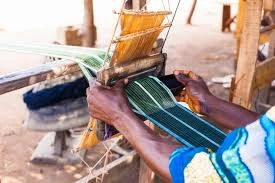
Aso-Oke
- Source: Cotton grown in Nigeria
- Made by: Local weavers using traditional methods
- What we make: Traditional Yoruba clothes, caps
Adire
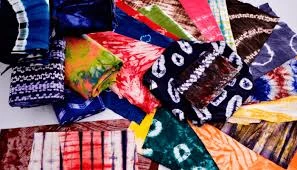
- Source: Cotton fabric
- Process: Nigerian tie-dye techniques
- What we make: Beautiful patterned clothes
The Process of Making Clothes from Agriculture
Step 1: Growing/Raising
- Plant cotton seeds or raise animals
- Take care of crops and animals
- Harvest cotton or collect animal materials
Step 2: Processing
- Clean the raw materials
- Remove seeds from cotton
- Prepare fibers for spinning
Step 3: Spinning
- Turn fibers into threads
- Use spinning wheels or machines
- Make threads strong and even
Step 4: Weaving/Knitting
- Turn threads into fabric
- Use looms or knitting machines
- Create different patterns and textures
Step 5: Finishing
- Dye fabric with colors
- Cut fabric into pieces
- Sew into clothes, bedsheets, bags
Benefits of Agricultural Materials for Clothing
- Natural and Healthy
- Safe for skin
- Breathe well (not too hot)
- No harmful chemicals
- Comfortable
- Soft and pleasant to wear
- Good for sensitive skin
- Absorb sweat well
- Environmentally Friendly
- Come from nature
- Can decompose after use
- Don’t pollute the environment
- Support Local Economy
- Nigerian farmers grow cotton
- Local people get jobs
- Money stays in our country
EXERCISES
Exercise 1: Fill in the Blanks
- Producing cloths means making ________ and materials for clothes
- ________ is a plant grown on farms to make fabric
- ________ comes from sheep and keeps us warm
- ________ comes from silkworms and is smooth and shiny
Exercise 2: True or False
- All clothing materials come from agriculture ____
- Cotton comes from animals ____
- Wool keeps us warm in cold weather ____
- Leather comes from animal skins ____
Exercise 3: Match the Source
Draw lines to connect:
- Cotton → Silkworms
- Wool → Cotton plants
- Silk → Animal skins
- Leather → Sheep
Exercise 4: Plant or Animal?
Write “P” for Plant or “A” for Animal:
- Cotton ____
- Wool ____
- Silk ____
- Flax ____
- Leather ____
Exercise 5: What Can We Make?
Match the material with what we can make:
- Cotton → Warm sweaters
- Wool → Shoes and belts
- Leather → Shirts and bedsheets
- Silk → Beautiful dresses
This term's Agricultural Science topics
Basic 4 First Term · 9 topics
- Meaning and Importance of Agriculture
- Agriculture as a Source of Food to Man
- Agriculture as a Source of Employment and Income
- Agriculture as a Source of Raw Materials for Industries
- Agriculture as a Source of Materials for Clothing
- Agriculture as a Means of Foreign Exchange
- Branches of Agriculture and People Involved
- Crop Production
- Rearing of Animals
First Term Agricultural Science Lesson Notes for Other Topics
Preservation of Farm Produce
Read the full lesson note.

Factors that may Hinder Preservation
Read the full lesson note.
Methods of Preserving the Farm Produce; Sun Drying, Smoking
Read the full lesson note.
Preservation of Grains and Cereals Crops
Read the full lesson note.
Preservation of Roots and Tubers Crops
Read the full lesson note.
Preservation of Fruits: Orange, Banana, Tomatoes, Pawpaw...
Read the full lesson note.

Conservation of Oil Crops: Soya Bean, Oil Palm, Groundnut
Read the full lesson note.
Preservation of Vegetables
Read the full lesson note.

Health And Safety
Read the full lesson note.
Procedures For Crop Production
Read the full lesson note.

Crop Production
Read the full lesson note.

Planting Activities
Read the full lesson note.
Post-Planting Activities
Read the full lesson note.

Post-Harvesting Activities; Sorting, Grading, And Storage
Read the full lesson note.

Harvesting Activities
Read the full lesson note.
Lesson Notes for Other Classes

Basic 1 Lesson Note
The complete lesson note to guide your studies.

Basic 2 Lesson Note
The complete lesson note to guide your studies.

Basic 3 Lesson Note
The complete lesson note to guide your studies.

Basic 5 Lesson Note
The complete lesson note to guide your studies.

Basic 6 Lesson Note
The complete lesson note to guide your studies.

JSS1 Lesson Note
The complete lesson note to guide your studies.

