Harvesting Activities – Basic 5 Agricultural Science Lesson Note (First Term)
Download Lesson NoteLesson note at a glance
- Subject
- Agricultural Science
- Class
- Basic 5
- Term
- First Term
- Topic
- Harvesting Activities
- Order
- Topic 5 of 9 this term
- Reading time
- 5 min
Learning objectives
By the end of this lesson, pupils should be able to:
- Describe the steps involved in harvesting crops
- Enumerate tools used in harvesting crops
- Recognize the right time for harvesting crops
Previous knowledge
Pupils have learned about post-planting activities including irrigation, mulching, thinning, fertilizer application, and weeding in the previous lesson.
INTRODUCTION
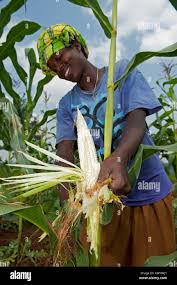
After months of caring for crops through planting and post-planting activities, it is finally time to harvest. Harvesting is the final and most rewarding step in crop production where farmers collect the mature crops from their farms.
Lesson content
1. Description of harvesting
What is Harvesting? Harvesting is the process of gathering mature crops from the farm. It involves cutting, picking, digging, or pulling crops that are ready for use or storage.
Importance of Harvesting:
- Collect the rewards of farming work
- Prevent crops from spoiling on the farm
- Get food for the family
- Get crops to sell for money
- Gather seeds for next planting season
2. Steps involved in harvesting crops
STEP 1: DETERMINING HARVEST TIME
- Check if crops are fully mature
- Look for signs of ripeness
- Consider weather conditions
- Plan harvest activities
STEP 2: PREPARING FOR HARVEST
- Get harvesting tools ready
- Clean and sharpen tools
- Prepare storage containers
- Arrange for help if needed
STEP 3: ACTUAL HARVESTING
- Cut, pick, or dig crops carefully
- Handle crops gently to avoid damage
- Work during suitable weather
- Harvest in correct order
STEP 4: FIELD PROCESSING
- Clean harvested crops
- Remove damaged parts
- Sort crops by size and quality
- Remove foreign materials
STEP 5: TRANSPORTATION
- Move crops from field to storage
- Use appropriate containers
- Handle carefully during transport
- Protect from sun and rain
STEP 6: STORAGE PREPARATION
- Dry crops if necessary
- Store in clean, dry places
- Protect from pests and rodents
- Maintain proper storage conditions
3. Tools used in harvesting crops
- CUTTING TOOLS
- Sickle
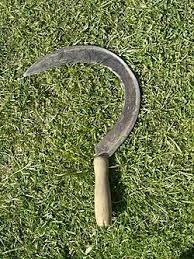
- Curved blade with handle
- Used for cutting cereals (rice, wheat, millet)
- Good for cutting close to ground
2. Cutlass/Machete
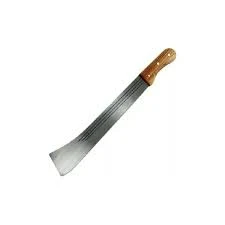
- Sharp, long blade
- Used for cutting maize stalks
- Good for cutting thick stems
Knife
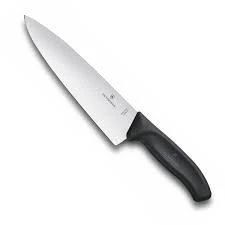
- Sharp, small blade
- Used for harvesting vegetables
- Good for precise cutting
Pruning Shears
- Scissor-like tool
- Used for cutting fruits from trees
- Prevents damage to plants
B. DIGGING TOOLS
- Hoe
- Used for digging root crops
- Good for yam and cassava harvesting
- Also used for sweet potato
- Spade
- Sharp, flat blade
- Used for digging tubers
- Better than hoe for hard soil
- Fork
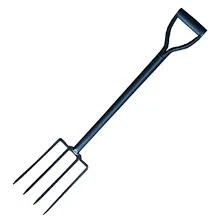
- Multiple prongs
- Used for lifting root crops
- Reduces damage to tubers
C. PICKING TOOLS
- Baskets
- For collecting harvested crops
- Different sizes available
- Made from bamboo or plastic
- Bags/Sacks
- For storing grains and legumes
- Made from jute or plastic
- Easy to transport
- Fruit Picker
- Long pole with basket
- Used for harvesting tall trees
- Prevents fruit damage from falling
- PROCESSING TOOLS
- Winnowing Basket
- Used for separating grains from chaff
- Traditional method of cleaning
- Good for rice and millet
- Mortar and Pestle
- Used for removing husks
- Traditional processing tool
- Good for small quantities
- Threshing Stick
- Used for beating grains
- Separates grains from stalks
- Traditional method
4. Recognizing the right time for harvesting
- SIGNS OF CROP MATURITY
For Cereals (Maize, Rice, Millet):
- Grains become hard when pressed
- Leaves turn yellow and dry
- Stalks make rattling sound in wind
- Moisture content is low
- Grains separate easily from cob
For Root Crops (Yam, Cassava, Sweet Potato):
- Leaves turn yellow and fall off
- Vines start dying back
- Tubers have reached full size
- Skin becomes tough
- Time specified for variety has passed
For Legumes (Beans, Groundnut, Cowpea):
- Pods become dry and brown
- Seeds rattle inside pods
- Pods split open easily
- Leaves turn yellow
- Plants look dried up
For Vegetables (Tomato, Pepper, Okra):
- Fruits change to ripe color
- Fruits feel firm but not hard
- Seeds inside are mature
- Fruits have good size
- Fruits separate easily from plant
For Tree Fruits (Mango, Orange, Avocado):
- Fruits change to ripe color
- Fruits feel soft when pressed gently
- Fruits have sweet smell
- Fruits fall naturally when mature
- Seeds inside are fully developed
- FACTORS AFFECTING HARVEST TIME
- Weather Conditions
- Harvest during dry weather
- Avoid harvesting when raining
- Best time is morning or evening
- Avoid very hot midday sun
- Market Demand
- Harvest when prices are good
- Consider transportation to market
- Harvest according to buyer requirements
- Storage Facilities
- Harvest when storage is ready
- Consider drying requirements
- Plan for processing needs
- Labor Availability
- Harvest when workers are available
- Plan for family help
- Coordinate with neighbors
5. Harvesting methods for different crops
CEREALS:
- Cut stalks with sickle or cutlass
- Bundle stalks together
- Allow to dry in field
- Thresh to separate grains
ROOT CROPS:
- Dig carefully around plants
- Lift tubers without damage
- Remove soil from tubers
- Sort by size and quality
LEGUMES:
- Pick dry pods by hand
- Use baskets for collection
- Thresh pods to get seeds
- Clean and dry seeds
VEGETABLES:
- Pick fruits when ripe
- Use sharp knife for cutting
- Handle gently to avoid bruising
- Pack in suitable containers
TREE FRUITS:
- Pick by climbing or using fruit picker
- Harvest when slightly underripe for transport
- Handle very carefully
- Sort immediately after harvest
Evaluation questions
- What is harvesting?
- List the six steps involved in harvesting crops
- Name five tools used for harvesting crops
- What tool is used for harvesting rice?
- Give three signs that show maize is ready for harvest
- When is the best time to harvest yam?
- What are the signs of maturity in beans?
- Why should crops be harvested at the right time?
- What factors affect harvest time?
- How do you harvest tomatoes properly?
- What tool is used for digging cassava?
- Why is it important to handle crops gently during harvest?
ASSIGNMENT
- Visit a farm during harvest season and observe the harvesting process
- List five crops being harvested and the tools used for each
- Help your parents harvest crops in your home garden
- Draw and label four tools used for harvesting different crops
- Record the signs of maturity you observed in the harvested crops
Practical activity
On the school farm:
- Harvest mature vegetables like tomatoes and peppers
- Practice using sickle to cut grass (simulate cereal harvesting)
- Dig up sweet potatoes or cassava if available
- Sort harvested crops by size and quality
- Practice proper handling and packaging of harvested crops
- Clean and store harvesting tools after use
CONCLUSION
Harvesting is the final reward for all the hard work done in crop production. Knowing the right time to harvest and using proper tools and methods ensures good quality crops and reduces losses. Proper harvesting leads to better income for farmers and more food for families.
REFERENCES
- Primary Agricultural Science Textbook for Primary 6
- Practical Farming Guide for Schools
- Post-harvest Handling Manual for Small-scale Farmers
- Local farming practices and observations
This term's Agricultural Science topics
Basic 5 First Term · 9 topics
First Term Agricultural Science Lesson Notes for Other Topics
Preservation of Farm Produce
Read the full lesson note.

Factors that may Hinder Preservation
Read the full lesson note.
Methods of Preserving the Farm Produce; Sun Drying, Smoking
Read the full lesson note.
Preservation of Grains and Cereals Crops
Read the full lesson note.
Preservation of Roots and Tubers Crops
Read the full lesson note.
Preservation of Fruits: Orange, Banana, Tomatoes, Pawpaw...
Read the full lesson note.

Conservation of Oil Crops: Soya Bean, Oil Palm, Groundnut
Read the full lesson note.
Preservation of Vegetables
Read the full lesson note.

Health And Safety
Read the full lesson note.
Procedures For Crop Production
Read the full lesson note.

Crop Production
Read the full lesson note.
Planting Activities
Read the full lesson note.
Post-Planting Activities
Read the full lesson note.
Post-Harvesting Activities; Sorting, Grading, And Storage
Read the full lesson note.
Preservation Of Harvested Crops; Silo, Crib, Yam Barn, Bagging
Read the full lesson note.
Lesson Notes for Other Classes

Basic 1 Lesson Note
The complete lesson note to guide your studies.
Basic 2 Lesson Note
The complete lesson note to guide your studies.

Basic 3 Lesson Note
The complete lesson note to guide your studies.

Basic 4 Lesson Note
The complete lesson note to guide your studies.

Basic 6 Lesson Note
The complete lesson note to guide your studies.

JSS1 Lesson Note
The complete lesson note to guide your studies.