
Rearing of Animals Basic 4 Agricultural Science Lesson Note
Download Lesson NoteTopic: Rearing of Animals
What is Rearing of Animals?
Rearing of animals means taking care of animals on farms to get food, money, and other useful products from them.
NOTE: A poultry farm should be created in the school for practical learning.
Types of Farm Animals
- Poultry (Birds)

Birds raised on farms for eggs and meat
Chickens
- Products: Eggs, meat (chicken)
- Care: Feed, water, clean house, medicine
- Good for: Daily eggs, protein-rich meat
Ducks
- Products: Eggs, meat
- Special need: Water for swimming
- Benefit: Duck eggs are bigger than chicken eggs
Turkey
- Products: Meat (especially for celebrations)
- Size: Bigger than chickens
- Care: More space needed
Guinea Fowl
- Products: Meat, eggs
- Special: Can fly, good for pest control
- Hardy: Can survive in harsh conditions
- Large Animals (Livestock)
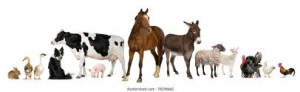
Cattle (Cows)
- Products: Milk, meat (beef), hides (leather)
- Care: Grass, water, shelter, veterinary care
- Uses: Daily milk, strong leather
Goats
- Products: Milk, meat, skin
- Good for: Easy to manage, eat many plants
- Hardy: Survive in dry areas
Sheep
- Products: Meat, wool, skin
- Special: Wool for making warm clothes
- Care: Grass, water, protection from cold
Pigs
- Products: Meat (pork)
- Fast growing: Quick to mature
- Care: Clean environment, good feed
- Small Animals
Rabbits
- Products: Meat, fur
- Benefits: Fast reproduction, little space needed
- Care: Clean cage, fresh vegetables
Fish
- Products: Fresh fish for food
- Farming: In ponds or tanks
- Care: Clean water, proper feed
- Working Animals
Horses
- Uses: Transportation, farm work
- Care: Grass, exercise, grooming
Donkeys
- Uses: Carrying loads, transportation
- Hardy: Can work in difficult conditions
Basic Animal Care
- Housing (Shelter)
- Clean: Keep animal houses clean
- Dry: Protect from rain and moisture
- Ventilated: Fresh air circulation
- Safe: Protect from wild animals
- Feeding
- Regular: Feed animals at the same time daily
- Balanced: Give different types of food
- Fresh water: Always provide clean water
- Right amount: Not too much, not too little
- Health Care
- Vaccination: Prevent diseases with vaccines
- Medicine: Treat sick animals quickly
- Clean environment: Prevents diseases
- Veterinary visits: Regular check-ups
- Daily Care
- Morning: Feed and give water
- Cleaning: Remove waste and dirt
- Observation: Check for sick animals
- Evening: Second feeding and water
Benefits of Rearing Animals
- Food Production
- Protein: Meat, eggs, milk for nutrition
- Daily supply: Fresh eggs and milk
- Healthy diet: Complete nutrition for families
- Income Generation
- Selling: Animals, eggs, milk for money
- Regular income: Daily from eggs and milk
- Savings: Animals are like money in the bank
- Raw Materials
- Leather: From cow and goat skins
- Wool: From sheep for warm clothes
- Feathers: For pillows and decorations
- Employment
- Farm workers: Jobs for animal keepers
- Veterinarians: Animal doctors
- Feed sellers: People selling animal food
School Poultry Farm Project
What to Include:
- Chicken coop: House for 20-30 chickens
- Feeding area: Where chickens eat
- Water system: Clean water supply
- Egg collection: Nesting boxes
Benefits for Students:
- Practical learning: See real animal care
- Responsibility: Take turns caring for chickens
- Fresh eggs: For school meals
- Income: Sell excess eggs
Student Activities:
- Daily feeding: Students feed chickens
- Cleaning: Keep coop clean
- Egg collection: Gather eggs daily
- Record keeping: Count eggs, track health
EXERCISES
Exercise 1: Fill in the Blanks
- Rearing of animals means ________ care of animals on farms
- ________ are birds raised for eggs and meat
- Cattle give us milk, meat, and ________
- Animals need clean ________, food, and water
Exercise 2: True or False
- Only chickens can be raised on poultry farms ____
- Goats can survive in dry areas ____
- Fish can be farmed in ponds ____
- Animals don’t need veterinary care ____
Exercise 3: Match the Animal with Product
Draw lines to connect:
- Chicken → Milk and beef
- Cow → Eggs and meat
- Sheep → Wool and meat
- Fish → Fresh fish
Exercise 4: Animal Categories
Write “P” for Poultry, “L” for Large animals, “S” for Small animals, or “W” for Working animals:
- Duck ____
- Horse ____
- Rabbit ____
- Goat ____
- Turkey ____
Exercise 5: Choose the Right Answer
Circle the correct answer:
- Chickens are raised for: Only eggs / Eggs and meat
- Best housing for animals is: Dirty and wet / Clean and dry
- Animals should be fed: Once a week / Regularly every day
- Vaccines help: Make animals sick / Prevent diseases
First Term Agricultural Science Lesson Notes for Other Topics

Preservation of Farm Produce
Explore lesson notes covering all topics.

Factors that may Hinder Preservation
Explore lesson notes covering all topics.
Methods of Preserving the Farm Produce; Sun Drying, Smoking
Explore lesson notes covering all topics.

Preservation of Grains and Cereals Crops
Explore lesson notes covering all topics.

Preservation of Roots and Tubers Crops
Explore lesson notes covering all topics.
Preservation of Fruits: Orange, Banana, Tomatoes, Pawpaw...
Explore lesson notes covering all topics.
Conservation of Oil Crops: Soya Bean, Oil Palm, Groundnut
Explore lesson notes covering all topics.
Preservation of Vegetables
Explore lesson notes covering all topics.

Health And Safety
Explore lesson notes covering all topics.

Procedures For Crop Production
Explore lesson notes covering all topics.
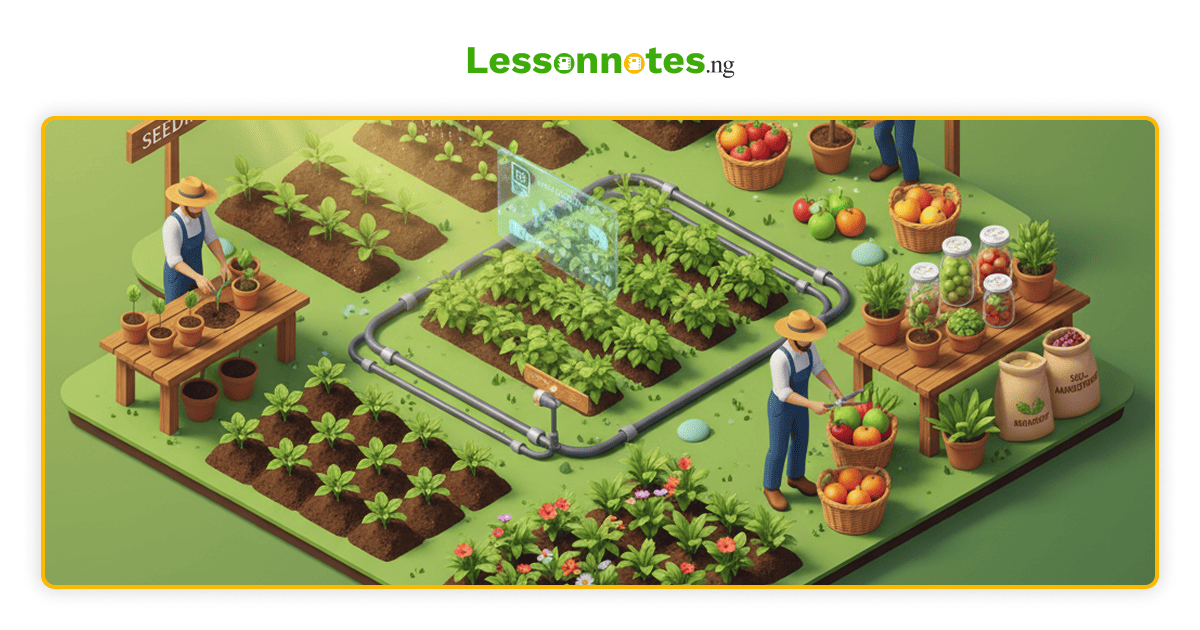
Crop Production
Explore lesson notes covering all topics.

Planting Activities
Explore lesson notes covering all topics.
Post-Planting Activities
Explore lesson notes covering all topics.

Post-Harvesting Activities; Sorting, Grading, And Storage
Explore lesson notes covering all topics.
Harvesting Activities
Explore lesson notes covering all topics.
Lesson Notes for Other Classes

Basic 1 Lesson Note
The complete lesson note to guide your studies.

Basic 2 Lesson Note
The complete lesson note to guide your studies.

Basic 3 Lesson Note
The complete lesson note to guide your studies.

Basic 5 Lesson Note
The complete lesson note to guide your studies.

Basic 6 Lesson Note
The complete lesson note to guide your studies.

JSS1 Lesson Note
The complete lesson note to guide your studies.