Preservation of Harvested Crops; Silo, Crib, Yam Barn, Bagging – Basic 5 Agricultural Science Lesson Note (First Term)
Download Lesson NoteLesson note at a glance
- Subject
- Agricultural Science
- Class
- Basic 5
- Term
- First Term
- Topic
- Preservation of Harvested Crops; Silo, Crib, Yam Barn, Bagging
- Order
- Topic 7 of 9 this term
- Reading time
- 6 min
Learning objectives
By the end of the lesson, pupils should be able to:
- Identify various methods of preserving harvested crops
- Discuss the processes involved in preserving crops
- Justify the reason for preserving harvested crops
Previous knowledge
Pupils have learned about post harvesting activities including sorting, grading and storage in the previous lesson.
INTRODUCTION
After crops have been sorted and graded, they need to be preserved properly to keep them fresh and prevent spoilage. Preservation helps farmers store their crops for months or even years without losing quality.
Lesson content
1. Identification of methods of preserving harvested crops
What is Crop Preservation? Crop preservation is the process of keeping harvested crops in good condition for a long time by protecting them from spoilage, pests, and other forms of damage.
- TRADITIONAL PRESERVATION METHODS
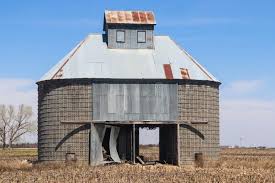
- SILO
- Large storage structure for grains
- Can be made of concrete, metal, or plastic
- Protects grains from air, moisture, and pests
- Used for storing maize, rice, wheat, millet
- CRIB
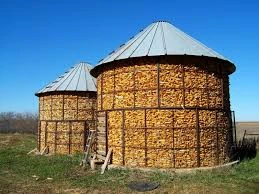
- Raised storage structure with slatted sides
- Allows air circulation for drying
- Protects from ground moisture and rodents
- Used mainly for maize cobs
- YAM BARN
- Special storage structure for yam tubers
- Made with bamboo or wood framework
- Has good ventilation and drainage
- Keeps yams fresh for many months
- BAGGING
- Storing crops in bags or sacks
- Bags can be made of jute, plastic, or cloth
- Easy to handle and transport
- Used for grains, legumes, and processed crops
OTHER PRESERVATION METHODS
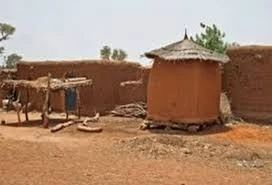
- RHOMBUS (Traditional Granary)
-
- Cone-shaped storage made of clay and thatch
- Used in northern Nigeria for millet and sorghum
- Protects grains from rain and pests
- Can store grains for over a year
- RUMBU (Traditional Storage Pot)
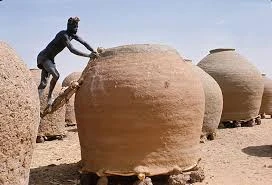
- Large clay pots with tight-fitting lids
- Used for storing grains in small quantities
- Common in rural areas
- Easy to make and maintain
- IMPROVED STORAGE STRUCTURES
- Modern silos with fumigation facilities
- Hermetic storage containers
- Metal or plastic storage bins
- Cold storage facilities
2. Processes involved in preserving crops
- PROCESSES FOR SILO STORAGE
Preparation Process:
- Clean the Silo
- Remove old grain residues
- Sweep and wash if necessary
- Check for cracks or holes
- Repair any damage
- Dry the Crops
- Reduce moisture content to 12-14%
- Sun dry for several days
- Test moisture with simple tools
- Ensure grains are completely dry
- Treat Against Pests
- Use approved chemicals or natural methods
- Mix pesticides with grains if needed
- Apply neem leaves or ash
- Ensure even distribution
- Fill the Silo
- Pour grains slowly to avoid damage
- Level the grain surface
- Leave some space at the top
- Seal the silo tightly
- Monitor and Maintain
- Check regularly for pest signs
- Monitor temperature and moisture
- Fumigate if necessary
- Keep records of storage
- PROCESSES FOR CRIB STORAGE
Construction Process:
- Site Selection
- Choose elevated, well-drained area
- Away from trees and buildings
- Good air circulation
- Protection from strong winds
- Build the Structure
- Construct raised platform (60cm high)
- Build walls with gaps for ventilation
- Make waterproof roof
- Install rat guards on posts
- Prepare the Crops
- Harvest maize at proper moisture
- Remove husks partially or completely
- Sort and remove damaged cobs
- Ensure proper drying
- Loading Process
- Load cobs carefully to avoid damage
- Arrange for good air circulation
- Fill to appropriate level
- Cover to protect from rain
- PROCESSES FOR YAM BARN STORAGE
Construction and Use:
- Build the Barn
- Select shaded, well-ventilated location
- Build raised platform with drainage
- Construct walls with bamboo or wood
- Make waterproof but ventilated roof
- Prepare the Yams
- Harvest when fully mature
- Allow cut surfaces to dry and heal
- Remove soil and debris
- Sort by size and quality
- Storage Arrangement
- Place yams in single layers
- Avoid contact between tubers
- Provide good air circulation
- Cover with leaves or mats
- Management
- Inspect regularly for spoilage
- Remove damaged tubers immediately
- Maintain proper ventilation
- Control temperature and humidity
- PROCESSES FOR BAGGING
Preparation and Storage:
- Prepare the Bags
- Use clean, dry bags
- Check for holes or tears
- Choose appropriate bag size
- Prepare storage area
- Prepare the Crops
- Ensure crops are properly dried
- Clean thoroughly
- Treat against pests if needed
- Check moisture content
- Filling Process
- Fill bags to recommended capacity
- Leave space for handling
- Tie bags securely
- Label with date and contents
- Storage Management
- Stack bags properly in storage
- Allow air circulation between stacks
- Protect from moisture and pests
- Rotate stock regularly (first in, first out)
3. Reasons for preserving harvested crops
- ECONOMIC REASONS
- Food Security
- Ensures food availability year-round
- Reduces hunger during dry seasons
- Provides emergency food supply
- Maintains household nutrition
- Income Generation
- Store crops to sell when prices are higher
- Avoid selling immediately after harvest (low prices)
- Create steady income throughout the year
- Reduce dependence on market fluctuations
- Reduced Losses
- Prevents post-harvest losses
- Protects investment in farming
- Maintains crop quality and value
- Reduces waste and saves money
- SOCIAL REASONS
- Community Food Security
- Helps feed the community during scarcity
- Supports food distribution programs
- Provides buffer against natural disasters
- Strengthens local food systems
- Cultural Preservation
- Maintains traditional farming practices
- Preserves indigenous crop varieties
- Supports cultural food preferences
- Passes knowledge to next generation
- PRACTICAL REASONS
- Convenience
- Food available when needed
- Reduces frequent trips to market
- Allows meal planning
- Saves time and transportation costs
- Quality Maintenance
- Preserves nutritional value
- Maintains freshness
- Prevents contamination
- Ensures safe food consumption
- Processing Flexibility
- Allows processing when convenient
- Enables value addition activities
- Supports small-scale enterprises
- Creates employment opportunities
4. Factors affecting crop preservation
- ENVIRONMENTAL FACTORS
- Temperature
- Humidity
- Air circulation
- Light exposure
- Pest and disease pressure
- CROP FACTORS
- Moisture content at harvest
- Physical condition of crops
- Variety and type of crop
- Maturity level at harvest
- Pre-harvest treatments
- STORAGE FACTORS
- Type of storage structure
- Cleanliness of storage facility
- Pest control measures
- Monitoring and management
- Duration of storage
5. Common storage problems and solutions
PROBLEMS:
- Insect infestation
- Rodent damage
- Mold and fungal growth
- Moisture absorption
- Physical damage
SOLUTIONS:
- Use appropriate pesticides or natural repellents
- Install proper rat guards and traps
- Ensure adequate drying before storage
- Improve ventilation in storage structures
- Handle crops carefully during storage operations
Evaluation questions
- What is crop preservation?
- Name four traditional methods of preserving crops
- What crops are stored in a silo?
- Describe the construction of a yam barn
- List five steps in the silo storage process
- Why do farmers preserve their harvested crops?
- What are the advantages of using a crib for maize storage?
- How should yams be prepared before storage in a yam barn?
- What factors affect the success of crop preservation?
- Give three economic reasons for preserving crops
- What problems can occur during crop storage?
- How can farmers prevent pest damage during storage?
ASSIGNMENT
- Visit a local farmer or storage facility to observe crop preservation methods
- Draw and label a traditional storage structure used in your community
- Interview an elderly person about traditional crop preservation methods
- List five crops commonly preserved in your area and their storage methods
- Research one modern crop preservation technology
Practical activity
School Project:
- Design and build a small model crib for the school
- Construct a mini yam barn using local materials
- Practice bagging grains properly with correct labeling
- Set up a small silo demonstration using plastic containers
- Compare storage of the same crop using different methods
- Monitor and record observations over several weeks
CONCLUSION
Proper preservation of harvested crops is essential for food security and economic benefit. Traditional methods like silos, cribs, yam barns, and bagging have been used successfully for generations. Understanding these methods helps farmers reduce losses and maintain crop quality for extended periods.
REFERENCES
- Primary Agricultural Science Textbook for Primary 6
- Traditional Storage Systems in Nigeria
- Post-harvest Technology for Small-scale Farmers
- FAO Manual on Crop Storage and Preservation
This term's Agricultural Science topics
Basic 5 First Term · 9 topics
- Crop Production
- Procedures for Crop Production
- Planting Activities
- Post-Planting Activities
- Harvesting Activities
- Post-Harvesting Activities; Sorting, Grading, and Storage
- Preservation of Harvested Crops; Silo, Crib, Yam Barn, Bagging
- Processing of Harvested Crops: Grinding, Milling
- Health and Safety
First Term Agricultural Science Lesson Notes for Other Topics
Preservation of Farm Produce
Read the full lesson note.

Factors that may Hinder Preservation
Read the full lesson note.
Methods of Preserving the Farm Produce; Sun Drying, Smoking
Read the full lesson note.
Preservation of Grains and Cereals Crops
Read the full lesson note.
Preservation of Roots and Tubers Crops
Read the full lesson note.
Preservation of Fruits: Orange, Banana, Tomatoes, Pawpaw...
Read the full lesson note.

Conservation of Oil Crops: Soya Bean, Oil Palm, Groundnut
Read the full lesson note.
Preservation of Vegetables
Read the full lesson note.

Health And Safety
Read the full lesson note.
Procedures For Crop Production
Read the full lesson note.

Crop Production
Read the full lesson note.
Planting Activities
Read the full lesson note.
Post-Planting Activities
Read the full lesson note.
Post-Harvesting Activities; Sorting, Grading, And Storage
Read the full lesson note.
Harvesting Activities
Read the full lesson note.
Lesson Notes for Other Classes

Basic 1 Lesson Note
The complete lesson note to guide your studies.

Basic 2 Lesson Note
The complete lesson note to guide your studies.

Basic 3 Lesson Note
The complete lesson note to guide your studies.

Basic 4 Lesson Note
The complete lesson note to guide your studies.

Basic 6 Lesson Note
The complete lesson note to guide your studies.

JSS1 Lesson Note
The complete lesson note to guide your studies.