Crop Production – Basic 4 Agricultural Science Lesson Note (First Term)
Download Lesson NoteLesson note at a glance
- Subject
- Agricultural Science
- Class
- Basic 4
- Term
- First Term
- Topic
- Crop Production
- Order
- Topic 8 of 9 this term
- Reading time
- 3 min
What is Crop Production?
Crop production is the growing of plants on farms to provide food, money, and raw materials for people to use.
Types of Crops
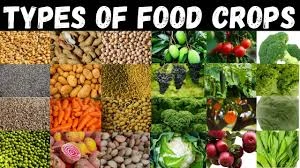
- Food Crops
Crops grown mainly for eating
Grains/Cereals:
- Rice – for rice and swallow
- Maize (Corn) – for pap, cornflakes
- Wheat – for bread, noodles
- Millet – for local porridge
Root and Tuber Crops:
- Yam – for pounded yam, boiled yam
- Cassava – for garri, fufu, flour
- Sweet potato – boiled or roasted
- Irish potato – for chips, salad
Legumes (Beans):
- Cowpeas (beans) – for moi-moi, akara
- Groundnuts – for snacks, oil
- Soya beans – for protein food
- Cash Crops
Crops grown mainly to sell for money
Export Crops:
- Cocoa – sold to make chocolate
- Cotton – sold to make clothes
- Palm oil – sold for cooking and soap
- Rubber – sold to make tires
Industrial Crops:
- Sugarcane – for making sugar
- Tobacco – for cigarettes
- Coffee – for drinks
- Vegetables
Fresh plants for healthy eating
- Tomatoes – for stew and salad
- Pepper – for seasoning
- Onions – for cooking
- Lettuce – for salad
- Spinach – for vegetable soup
- Fruits
Sweet crops for eating and health
- Oranges – for vitamin C
- Mangoes – fresh fruit
- Bananas – for energy
- Pineapples – for juice
- Watermelon – for refreshment
Steps in Crop Production
Step 1: Land Preparation
- Clear the land of weeds and bushes
- Plow the soil to make it soft
- Add fertilizer to make soil rich
- Make ridges or beds for planting
Step 2: Planting
- Choose good quality seeds
- Plant at the right time (rainy season)
- Space seeds properly
- Cover seeds with soil
Step 3: Crop Care
- Watering: Give plants enough water
- Weeding: Remove unwanted plants
- Fertilizing: Add nutrients to help growth
- Pest control: Protect from insects and diseases
Step 4: Harvesting
- Wait for crops to mature
- Pick or cut crops at right time
- Handle carefully to avoid damage
- Collect all mature crops
Step 5: Storage
- Dry crops properly
- Store in clean, dry places
- Protect from rats and insects
- Package for sale or use
Tools Used in Crop Production
Hand Tools:
- Hoe – for weeding and making ridges
- Cutlass – for clearing land
- Watering can – for watering plants
- Basket – for carrying crops
Modern Tools:
- Tractor – for plowing large farms
- Planter – for planting seeds
- Harvester – for cutting crops
- Sprayer – for applying fertilizer
Importance of Crop Production
- Provides Food
- Gives us daily meals
- Supplies vitamins and nutrients
- Prevents hunger
- Creates Jobs
- Farmers work on crop farms
- People sell crops in markets
- Food processing companies employ workers
- Earns Money
- Farmers sell crops for income
- Nigeria exports crops to other countries
- Supports national economy
- Provides Raw Materials
- Cotton for making clothes
- Sugarcane for making sugar
- Palm fruits for making oil
EXERCISES
Exercise 1: Fill in the Blanks
- Crop production is the ________ of plants on farms
- ________ crops are grown mainly for eating
- ________ crops are grown mainly to sell for money
- Rice and maize are examples of ________ crops
Exercise 2: True or False
- All crops are grown for food only ____
- Yam is a root crop ____
- Cocoa is a food crop ____
- Crop production provides jobs ____
Exercise 3: Match the Crop Type
Draw lines to connect each crop with its type:
- Rice → Cash crop
- Cocoa → Vegetable
- Tomato → Food crop
- Orange → Fruit
Exercise 4: Crop Categories
Write “F” for Food crop, “C” for Cash crop, “V” for Vegetable, or “Fr” for Fruit:
- Cassava ____
- Cotton ____
- Pepper ____
- Mango ____
- Beans ____
Exercise 5: Choose the Right Answer
Circle the correct answer:
- Yam is used for: Pounded yam / Making clothes
- Cotton is grown to: Eat / Make clothes
- First step in crop production: Harvesting / Land preparation
- Cocoa is sold to make: Chocolate / Bread
This term's Agricultural Science topics
Basic 4 First Term · 9 topics
- Meaning and Importance of Agriculture
- Agriculture as a Source of Food to Man
- Agriculture as a Source of Employment and Income
- Agriculture as a Source of Raw Materials for Industries
- Agriculture as a Source of Materials for Clothing
- Agriculture as a Means of Foreign Exchange
- Branches of Agriculture and People Involved
- Crop Production
- Rearing of Animals
First Term Agricultural Science Lesson Notes for Other Topics
Preservation of Farm Produce
Read the full lesson note.

Factors that may Hinder Preservation
Read the full lesson note.
Methods of Preserving the Farm Produce; Sun Drying, Smoking
Read the full lesson note.
Preservation of Grains and Cereals Crops
Read the full lesson note.
Preservation of Roots and Tubers Crops
Read the full lesson note.
Preservation of Fruits: Orange, Banana, Tomatoes, Pawpaw...
Read the full lesson note.

Conservation of Oil Crops: Soya Bean, Oil Palm, Groundnut
Read the full lesson note.
Preservation of Vegetables
Read the full lesson note.

Health And Safety
Read the full lesson note.
Procedures For Crop Production
Read the full lesson note.

Crop Production
Read the full lesson note.
Planting Activities
Read the full lesson note.
Post-Planting Activities
Read the full lesson note.
Post-Harvesting Activities; Sorting, Grading, And Storage
Read the full lesson note.
Harvesting Activities
Read the full lesson note.
Lesson Notes for Other Classes

Basic 1 Lesson Note
The complete lesson note to guide your studies.
Basic 2 Lesson Note
The complete lesson note to guide your studies.

Basic 3 Lesson Note
The complete lesson note to guide your studies.

Basic 5 Lesson Note
The complete lesson note to guide your studies.

Basic 6 Lesson Note
The complete lesson note to guide your studies.

JSS1 Lesson Note
The complete lesson note to guide your studies.