
Classification of Art – Nigerian Art Works Basic 4 Cultural & Creative Arts (CCA) Lesson Note
Download Lesson NoteTopic: Classification of Art – Nigerian Art Works
What is Classification of Art?
Classification of art means:
- Grouping artworks into different types
- Organizing art by what they are made of
- Sorting art by how they are created
- Putting similar artworks together
Why we classify art:
- Makes it easier to understand
- Helps us study and learn about art
- Shows different skills and techniques
- Organizes our knowledge about art
Main Classifications of Art
- Visual Arts (Things we can see)
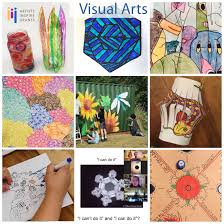
- Paintings and drawings
- Sculptures and carvings
- Pottery and ceramics
- Textiles and weaving
- Crafts and decorations
- Performing Arts (Things we watch and hear)

- Music and singing
- Dance and movement
- Drama and theatre
- Storytelling
- Literary Arts (Things we read)
- Poetry and verses
- Stories and folktales
- Proverbs and sayings
Nigerian Visual Art Works
- SCULPTURES AND CARVINGS
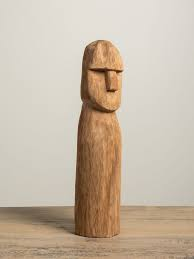
Materials Used:
- Wood – trees like iroko, mahogany
- Stone – rocks and marble
- Clay – earth and terracotta
- Bronze and brass metals
- Ivory from elephant tusks
Famous Nigerian Sculptures:
- Nok Terracotta (ancient clay sculptures)
- Ife Bronze Heads (Yoruba bronze art)
- Benin Bronzes (Edo palace art)
- Igbo-Ukwu Bronze (ancient Igbo art)
- Yoruba Wood Carvings (masks, statues)
What they show:
- Kings and royal families
- Gods and spiritual beings
- Animals and nature
- Daily life activities
- Historical events
- PAINTINGS AND DRAWINGS
Traditional Nigerian Paintings:

- Body painting with natural colors
- Wall paintings on houses and palaces
- Calabash decorations with designs
- Rock paintings in caves
- Cloth paintings and designs
Materials Used:
- Natural colors from plants and clay
- Charcoal for black drawings
- White clay (chalk) for light colors
- Red earth for brown and red colors
- Plant dyes for various colors
- POTTERY AND CERAMICS
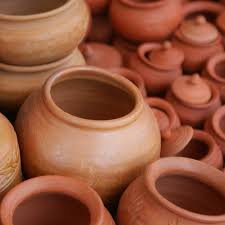
What they made:
- Water pots and storage jars
- Cooking pots and bowls
- Decorative items and art pieces
- Figurines and sculptures
- Roof tiles and building materials
Famous Nigerian Pottery:
- Nok pottery (very ancient)
- Hausa pottery (Northern Nigeria)
- Yoruba pottery (Western Nigeria)
- Igbo pottery (Eastern Nigeria)
- Contemporary pottery (modern times)
- TEXTILES AND WEAVING

Types of Nigerian Textiles:
- Kente cloth (colorful woven fabric)
- Adire cloth (Yoruba tie-and-dye)
- Akwete cloth (Igbo woven fabric)
- Hausa embroidery (beautiful stitching)
- Aso-oke (Yoruba traditional fabric)
Materials Used:
- Cotton grown locally
- Silk from silkworms
- Raffia from palm trees
- Natural dyes from plants
- Threads of different colors
- BEADWORK AND JEWELRY

What they made:
- Necklaces and bracelets
- Crowns for kings and chiefs
- Decorative items for ceremonies
- Religious objects for worship
- Clothing decorations
Types of Beads:
- Glass beads (made from sand)
- Clay beads (made from earth)
- Stone beads (carved from rocks)
- Metal beads (bronze and brass)
- Coral beads (from the sea)
- METALWORK
What they made:
- Sculptures and statues
- Jewelry and ornaments
- Tools and weapons
- Religious objects
- Decorative items
Types of Metal Used:
- Bronze (copper and tin mixture)
- Brass (copper and zinc mixture)
- Iron and steel
- Gold (precious metal)
- Silver (precious metal)
Nigerian Performing Arts
Traditional Music:
- Talking drums (Yoruba)

- Flutes and pipes
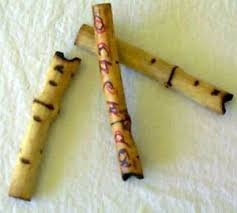
- Xylophones and gongs
- String instruments like guitar ancestors
- Vocal music and chanting
Traditional Dances:
- Masquerade dances (spiritual performances)
- Harvest dances (celebration of crops)
- War dances (showing bravery)
- Courtship dances (love and marriage)
- Religious dances (worship and prayer)
Traditional Drama:
- Storytelling with acting
- Masquerade performances
- Festival celebrations with drama
- Moral teaching through plays
- Historical reenactments
Regional Variations in Nigerian Art
Northern Nigeria:
- Islamic influence in art
- Geometric patterns and designs
- Calligraphy (beautiful writing)
- Leather work and crafts
- Architecture with Islamic style
Middle Belt:
- Mix of Islamic and traditional art
- Wood carvings and sculptures
- Pottery and ceramic work
- Textiles and weaving
- Music and dance traditions
Southern Nigeria:
- Traditional African art styles
- Figurative sculptures (human and animal forms)
- Elaborate masks and costumes
- Complex bronze casting techniques
- Rich textile traditions
Purposes of Nigerian Art
- Religious and Spiritual
- Worship gods and ancestors
- Protect from evil spirits
- Communicate with spiritual world
- Ceremony and ritual use
- Royal and Political
- Show power and authority
- Decorate palaces and thrones
- Record historical events
- Symbol of leadership
- Social and Cultural
- Mark important life events
- Teach young people about culture
- Celebrate festivals and ceremonies
- Unite communities
- Practical and Functional
- Daily use items (pots, tools)
- Clothing and personal items
- House decoration and furniture
- Trade and economic purposes
- Aesthetic and Decorative
- Make things beautiful
- Express creativity and skill
- Show artistic talent
- Bring joy and pleasure
Modern Nigerian Art
Contemporary Nigerian Artists:
- Bruce Onobrakpeya (printmaker)
- Ben Enwonwu (sculptor and painter)
- Yusuf Grillo (painter)
- Lamidi Fakeye (wood carver)
Modern Art Forms:
- Gallery paintings with modern themes
- Abstract art and contemporary styles
- Mixed media artworks
- Digital art and computer graphics
- Installation art in museums
Exercises
- Fill in the blanks:
- Classification means _______ artworks into different types
- Visual arts are things we can _______
- The _______ people made famous terracotta sculptures
- _______ cloth is a famous Nigerian textile
- True or False:
- Nigerian art only uses modern materials ( )
- Nok sculptures are made from clay ( )
- All Nigerian ethnic groups have the same art style ( )
- Art can be used for religious purposes ( )
- Match the art type with its material:
- Sculptures → Wood, stone, bronze
- Pottery → Clay and earth
- Textiles → Cotton and silk
- Beadwork → Glass and coral
- Circle the Nigerian traditional art forms:
- Nok terracotta
- Computer graphics
- Benin bronzes
- Plastic sculptures
- Adire cloth
- Kente weaving
- Complete the art classifications:
- _______ Arts (things we see)
- _______ Arts (things we watch/hear)
- _______ Arts (things we read)
Answer Key:
- grouping/organizing, see, Nok, Adire/Kente
- False, True, False, True
- Matching as shown above
- Circle: Nok terracotta, Benin bronzes, Adire cloth, Kente weaving
- Visual, Performing, Literary
First Term Cultural & Creative Arts (CCA) Lesson Notes for Other Topics

Types Of Objects And Shapes
Explore lesson notes covering all topics.

Shapes
Explore lesson notes covering all topics.

Organization Of Colour - Basic Colours
Explore lesson notes covering all topics.

Colour & Types of Basic Colours
Explore lesson notes covering all topics.

Importance Of Music
Explore lesson notes covering all topics.

Colour Mixing
Explore lesson notes covering all topics.

Introduction To Craft Making
Explore lesson notes covering all topics.

Traditional Songs
Explore lesson notes covering all topics.

Traditional Dance
Explore lesson notes covering all topics.

Meaning And Objectives Of Traditional Apprenticeship System
Explore lesson notes covering all topics.

Imaginative And Creative Drawing
Explore lesson notes covering all topics.

Creating Music With Solfa Notation
Explore lesson notes covering all topics.

Card Making And Decoration
Explore lesson notes covering all topics.

Role Play
Explore lesson notes covering all topics.

Song/Music With Nigerian Identity
Explore lesson notes covering all topics.
Lesson Notes for Other Classes

Basic 2 Lesson Note
The complete lesson note to guide your studies.

Basic 3 Lesson Note
The complete lesson note to guide your studies.
Basic 5 Lesson Note
The complete lesson note to guide your studies.

JSS1 Lesson Note
The complete lesson note to guide your studies.

JSS2 Lesson Note
The complete lesson note to guide your studies.

JSS3 Lesson Note
The complete lesson note to guide your studies.