
Mixture, Physical Fitness, Virus Basic 4 Basic Science Lesson Note
Download Lesson NoteTopic: Mixture, Physical Fitness, Virus
TOPIC: MIXTURE
LEARNING AREA
- Introductory Activities
- What is a Mixture?
- Common Mixtures We Use
- Other Types of Mixtures
- Why We Make Mixtures
PERFORMANCE OBJECTIVES
By the end of this lesson, pupils should be able to:
- Define what a mixture is.
- Give examples of common mixtures.
- Identify other types of mixtures.
- Explain why we make mixtures.
TEACHING AND LEARNING MATERIALS
- Samples of cereal and milk

- Flour and butter

- Sugar and cream

- Pictures of different mixtures
- Small bowls for demonstration
- Sand and water samples
TEACHING AND LEARNING METHOD
- Simple demonstration
- Show and tell
- Hands-on mixing activities
REFERENCE MATERIALS
- Primary Science Textbook
- Basic Science Guide
ENTRY BEHAVIOUR/ PREVIOUS LESSON
Students know different materials and can identify solids and liquids.
WORD FILE
Mixture, combine, mix, materials, new.
CONTENT
LESSON 1 – WHAT IS A MIXTURE?
WHAT IS A MIXTURE?
A mixture is when we put two or more different things together.
HOW MIXTURES ARE MADE:
- Take two different things
- Put them together
- Mix or combine them
- They become one mixture
SIMPLE EXAMPLES:
- Water + Sugar = Sweet water
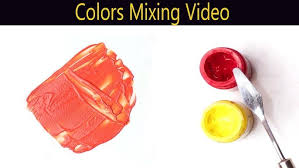
- Red paint + Yellow paint = Orange paint
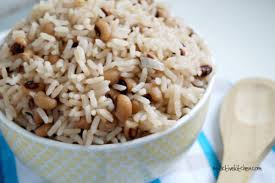
- Rice + Beans = Mixed rice and beans
WHAT HAPPENS IN A MIXTURE:
- The different things stay the same
- They just come together
- We can usually see both things
- Sometimes we can separate them again
LESSON 2 – COMMON MIXTURES WE USE
MIXTURES WE EAT AND DRINK:
CEREAL AND MILK:
- Pour cereal in bowl
- Add milk on top
- Mix together
- Makes breakfast mixture
FLOUR AND BUTTER:
- Take some flour
- Add pieces of butter
- Mix together
- Used to make bread and cakes
CREAM AND SUGAR:
- Take fresh cream
- Add sugar
- Mix well
- Makes sweet cream for cakes
COFFEE AND CREAM:
- Make hot coffee
- Add cream
- Stir together
- Makes light brown coffee
TEA:
- Hot water
- Tea leaves or tea bag
- Sometimes add milk and sugar
- Makes tea mixture
WHY WE USE THESE MIXTURES:
- Make food taste better
- Make drinks we like
- Help in cooking
- Make new flavors
LESSON 3 – OTHER TYPES OF MIXTURES
MIXTURES IN NATURE:
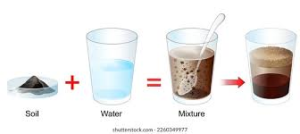
DIRT AND WATER:
- Soil mixed with water
- Makes muddy water
- Happens when it rains
- Makes mud for playing
SAND, WATER AND GRAVEL:
- Different sized rocks and stones
- Mixed with water
- Found at beaches and rivers
- Used to build houses
SMOKE AND FOG:
- Smoke from fires
- Fog from water in air
- Mix together in the air
- Makes the air unclear
OTHER MIXTURES WE SEE:
- Oil and water (don’t mix well)
- Salt and pepper
- Different colored beads
- Mixed fruits in fruit salad
LESSON 4 – REASONS FOR MAKING MIXTURES
WHY DO WE MAKE MIXTURES?
TO FORM NEW THINGS:
- Make new foods we like
- Create new colors
- Make useful materials
- Combine good things together
TO MAKE BETTER MATERIALS:
- Concrete (cement + sand + water + stones)
- Paint (color + liquid)
- Soap (different oils mixed together)
- Medicine (different healing things mixed)
TO IMPROVE TASTE:
- Add sugar to make things sweet
- Add salt to make food tasty
- Mix spices for better flavor
- Combine fruits for fruit salad
TO CREATE USEFUL THINGS:
- Mix cement to build houses
- Mix colors to paint pictures
- Mix ingredients to bake cakes
- Mix soil and fertilizer for plants
TO SOLVE PROBLEMS:
- Mix soap and water to clean
- Mix different medicines to heal
- Mix sand and cement to fix roads
- Mix different foods for nutrition
EXAMPLES OF NEW THINGS FROM MIXTURES:
- Cake (flour + eggs + sugar + butter)
- Concrete (cement + sand + water + stones)
- Orange juice (oranges + water + sugar)
- Bread (flour + water + yeast + salt)
PRESENTATION
- Teacher shows bowl of cereal
- Teacher adds milk to cereal
- Teacher explains this is a mixture
- Teacher demonstrates flour and butter mixing
- Teacher shows pictures of other mixtures
- Teacher explains why we make mixtures
STUDENT ACTIVITIES
Students practice:
- Identifying mixtures around them
- Mixing safe materials like sugar and water
- Naming mixtures they eat at home
- Explaining why mixtures are useful
EVALUATIVE ACTIVITIES
- Define mixture in simple words
- Name three food mixtures
- Give example of mixture in nature
- Explain one reason for making mixtures
LESSON EVALUATION/ASSIGNMENT
Students will:
- Find three mixtures at home
- Draw pictures of two mixtures
- Tell parents about mixtures they learned
- Bring one safe mixture to show class
WORKBOOK
WEEKLY ASSESSMENT (TEST)
- A mixture is when we put _______ or more things together. A. One B. Two
- Cereal and _______ make a breakfast mixture. A. Milk B. Water
- When it rains, dirt and water make _______. A. Mud B. Sand
- We make mixtures to form _______ things. A. Old B. New
- Tea is a mixture of water and _______. A. Tea leaves B. Coffee
TOPIC: PHYSICAL FITNESS
LEARNING AREA
- Introductory Activities
- Meaning of Physical Fitness
- Why Physical Fitness is Important
- Simple Fitness Exercises
- Fun Exercise Activities
PERFORMANCE OBJECTIVES
By the end of this lesson, pupils should be able to:
- Explain what physical fitness means.
- Know why we need to be physically fit.
- Do simple exercises like push-ups, squats, bends, and sit-ups.
- Practice exercises safely.
TEACHING AND LEARNING MATERIALS
- Open space (playground or classroom)

- Exercise mats (if available)

- Water bottles

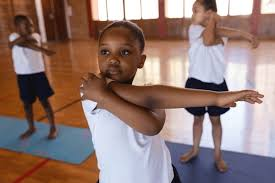
- Pictures of people exercising
- Music for exercise (optional)
TEACHING AND LEARNING METHOD
- Simple demonstration
- Physical practice
- Group activities
REFERENCE MATERIALS
- Primary Physical Education Textbook
- Basic Exercise Guide for Kids
ENTRY BEHAVIOUR/ PREVIOUS LESSON
Students can run, jump, and move their bodies safely.
WORD FILE
Fitness, exercise, strong, healthy, push, squat, bend, sit-up.
CONTENT
LESSON 1 – MEANING OF PHYSICAL FITNESS
WHAT IS PHYSICAL FITNESS?
Physical fitness means having a strong and healthy body that can do activities without getting tired quickly.
SIGNS OF A PHYSICALLY FIT PERSON:
- Can run without getting tired fast
- Has strong muscles
- Can play for a long time
- Feels happy and energetic
- Sleeps well at night
PARTS OF PHYSICAL FITNESS:
- Strong muscles – to lift and carry things
- Good heart – to pump blood well
- Flexible body – can bend and stretch easily
- Good balance – doesn’t fall easily
LESSON 2 – WHY PHYSICAL FITNESS IS IMPORTANT
BENEFITS OF BEING PHYSICALLY FIT:
FOR OUR BODY:
- Makes muscles strong
- Keeps heart healthy
- Helps us grow tall
- Makes bones strong
- Keeps us at good weight
FOR OUR MIND:
- Makes us feel happy
- Helps us think better
- Reduces worry
- Helps us sleep well
- Makes us confident
FOR DAILY LIFE:
- Can play games longer
- Can help with house work
- Can carry school bag easily
- Don’t get sick often
- Have more energy
LESSON 3 – SIMPLE FITNESS EXERCISES
BASIC EXERCISES FOR KIDS:
PUSH-UPS (for arms and chest):
- Get on hands and knees
- Put hands flat on ground
- Keep body straight
- Push up and down slowly
- Start with 5 times
For beginners: Do push-ups on knees
SQUATS (for legs and bottom):
- Stand with feet apart
- Put arms out in front
- Sit down like sitting in chair
- Stand back up
- Do 10 times
BENDING (for back and flexibility):
- Stand up straight
- Reach hands up high
- Bend down to touch toes
- Come back up slowly
- Do 8 times
SIT-UPS (for stomach muscles):
- Lie on back
- Bend knees up
- Put hands behind head
- Sit up slowly
- Lie back down
- Do 10 times
JUMPING JACKS (for whole body):
- Stand with feet together
- Jump and spread legs apart
- Raise arms above head
- Jump back to starting position
- Do 15 times
LESSON 4 – MORE FUN EXERCISES
OTHER SIMPLE EXERCISES:
RUNNING IN PLACE:
- Lift knees up high
- Move arms back and forth
- Do for 30 seconds
- Good for heart
ARM CIRCLES:
- Stretch arms out to sides
- Make big circles
- Do 10 times forward
- Do 10 times backward
LEG STRETCHES:
- Hold wall or chair
- Lift one leg behind you
- Hold for 10 seconds
- Switch legs
MARCHING:
- March like a soldier
- Lift knees high
- Swing arms
- March for 1 minute
EXERCISE SAFETY RULES:
- Warm up first – move body gently
- Start slowly – don’t rush
- Drink water – stay hydrated
- Stop if hurt – tell teacher
- Cool down – stretch after exercise
LESSON 5 – MAKING EXERCISE FUN
WAYS TO ENJOY EXERCISE:
EXERCISE GAMES:
- Simon Says with exercise moves
- Follow the Leader with jumping and running
- Musical Exercises – stop and do exercise when music stops
- Animal Moves – walk like crab, hop like frog
GROUP ACTIVITIES:
- Exercise with friends
- Count together
- Cheer for each other
- Make it like a game
DAILY EXERCISE PLAN:
- Morning: Stretch and bend
- Playtime: Run and jump games
- Evening: Simple exercises at home
- Weekend: Fun outdoor activities
REMEMBER:
- Exercise should be fun
- Start with a little bit
- Do more as you get stronger
- Exercise every day
- Ask adults for help
PRESENTATION
- Teacher demonstrates what physically fit looks like
- Teacher shows each exercise step by step
- Teacher does push-ups, squats, bends, and sit-ups
- Teacher explains safety rules
- Teacher leads class in simple exercises
STUDENT ACTIVITIES
Students practice:
- Doing 5 push-ups (on knees if needed)
- Doing 10 squats
- Bending to touch toes 8 times
- Doing 10 sit-ups
- Jumping jacks for 30 seconds
EVALUATIVE ACTIVITIES
- Explain what physical fitness means
- Do 5 push-ups correctly
- Do 10 squats safely
- Show proper bending form
- Name three benefits of exercise
LESSON EVALUATION/ASSIGNMENT
Students will:
- Practice exercises at home daily
- Teach family members one exercise
- Count how many jumping jacks they can do
- Drink more water when exercising
WORKBOOK
WEEKLY ASSESSMENT (TEST)
- Physical fitness means having a _______ and healthy body. A. Weak B. Strong
- Push-ups make our _______ strong. A. Arms B. Legs
- Squats are good for our _______. A. Arms B. Legs
- We should _______ before exercising. A. Warm up B. Sleep
- Exercise makes us feel _______. A. Sad B. Happy
TOPIC: VIRUS
LEARNING AREA
- Introductory Activities
- What is a Virus?
- Types of Virus
- Causes of Virus
- How to Stay Safe from Virus
PERFORMANCE OBJECTIVES
By the end of this lesson, pupils should be able to:
- Know what a virus is.
- Name different types of virus.
- Understand what causes virus to spread.
- Know how to protect themselves from virus.
TEACHING AND LEARNING MATERIALS
- Pictures of people who are sick
- Hand sanitizer
- Soap and water
- Face masks
- Tissues
- Charts showing virus prevention
TEACHING AND LEARNING METHOD
- Simple explanation
- Show and tell
- Demonstration
REFERENCE MATERIALS
- Primary Health Education Textbook
- Basic Health Guide for Kids
ENTRY BEHAVIOUR/ PREVIOUS LESSON
Students know about staying clean and healthy.
WORD FILE
Virus, germs, sick, spread, clean, protect.
CONTENT
LESSON 1 – WHAT IS A VIRUS?
WHAT IS A VIRUS?
A virus is a very tiny germ that can make people sick. Viruses are so small we cannot see them with our eyes.
WHAT VIRUSES DO:
- Make people feel sick
- Spread from person to person
- Cause different illnesses
- Can be stopped with good hygiene
HOW WE KNOW SOMEONE HAS A VIRUS:
- Fever (feeling hot)
- Cough
- Runny nose
- Feeling tired
- Body aches
LESSON 2 – TYPES OF VIRUS
COMMON TYPES OF VIRUS:
COLD VIRUS:
- Makes nose runny
- Causes sneezing
- Makes throat sore
- Makes people cough
- Usually not very serious
FLU VIRUS:
- Causes high fever
- Makes body ache
- Causes bad cough
- Makes people very tired
- More serious than cold
STOMACH VIRUS:
- Causes vomiting
- Gives stomach ache
- Causes diarrhea
- Makes people weak
- Need to drink lots of water
COVID-19 VIRUS:
- Causes cough and fever
- Makes breathing difficult
- Very contagious (spreads easily)
- Need to wear masks
- Stay away from others when sick
CHICKENPOX VIRUS:
- Causes itchy spots on skin
- Gives fever
- Makes children uncomfortable
- Spots become scabs
- Usually happens once in lifetime
OTHER VIRUSES:
- Measles virus
- Mumps virus
- Hepatitis virus
LESSON 3 – CAUSES OF VIRUS
HOW VIRUSES SPREAD:
FROM PERSON TO PERSON:
- When sick people cough or sneeze
- When we touch infected surfaces
- When we share food or drinks
- When we don’t wash hands
- When we touch our face with dirty hands
THROUGH THE AIR:
- Tiny droplets when people cough
- Sneezing without covering mouth
- Talking very close to sick person
- Breathing the same air as sick person
THROUGH TOUCH:
- Touching contaminated objects
- Shaking hands with sick person
- Using same utensils
- Touching door handles after sick person
- Not cleaning hands properly
THROUGH CONTAMINATED THINGS:
- Dirty water
- Unwashed food
- Dirty surfaces
- Shared toys
- Unclean bathrooms
THINGS THAT MAKE VIRUS SPREAD FASTER:
- Crowded places
- Poor hygiene
- Weak immune system
- Not covering mouth when coughing
- Not washing hands often
LESSON 4 – HOW TO STAY SAFE FROM VIRUS
WAYS TO PROTECT OURSELVES:
WASH HANDS OFTEN:
- Use soap and water
- Wash for 20 seconds
- Wash before eating
- Wash after using toilet
- Wash after touching things
COVER COUGH AND SNEEZE:
- Use tissue or elbow
- Don’t use hands
- Throw tissue away immediately
- Wash hands after coughing
STAY AWAY FROM SICK PEOPLE:
- Keep distance from sick friends
- Don’t share food with sick people
- Avoid crowded places when virus spreading
- Stay home when you feel sick
KEEP CLEAN:
- Clean surfaces often
- Don’t touch face with dirty hands
- Use hand sanitizer when no soap
- Keep personal items clean
HEALTHY HABITS:
- Eat good food
- Drink lots of water
- Get enough sleep
- Exercise regularly
- Take vitamins if needed
WHEN SICK:
- Stay home from school
- Rest in bed
- Drink lots of fluids
- Take medicine if doctor says
- Cover mouth when coughing
IMPORTANT SAFETY RULES:
- Always tell adults when feeling sick
- Never share drinks or food when someone is sick
- Wash hands before touching food
- Keep tissues handy
- Help keep school and home clean
PRESENTATION
- Teacher explains what a virus is using simple words
- Teacher shows pictures of people with different virus symptoms
- Teacher demonstrates proper hand washing
- Teacher shows how to cover cough with elbow
- Teacher explains different types of viruses
STUDENT ACTIVITIES
Students practice:
- Proper hand washing technique
- Covering cough with elbow
- Identifying virus symptoms
- Naming ways to stay safe
- Understanding when to stay home
EVALUATIVE ACTIVITIES
- Explain what a virus is
- Name three types of virus
- Show proper hand washing
- Demonstrate covering cough correctly
- List three ways virus spreads
LESSON EVALUATION/ASSIGNMENT
Students will:
- Practice washing hands properly at home
- Tell family about virus safety
- Help keep their room clean
- Stay away from sick people
WORKBOOK
WEEKLY ASSESSMENT (TEST)
- A virus is a tiny _______ that makes people sick. A. Animal B. Germ
- _______ virus makes your nose runny and causes sneezing. A. Cold B. Stomach
- Viruses spread when people _______ or sneeze without covering. A. Laugh B. Cough
- We should wash our hands for _______ seconds. A. 5 B. 20
- When we feel sick, we should _______. A. Go to school B. Stay home
Second Term Basic Science Lesson Notes for Other Topics

Light Energy, Uses of Light and Colour
Explore lesson notes covering all topics.
Colour Identification 1 - Colours of Objects
Explore lesson notes covering all topics.

Colour Identification II- Road Traffic Light Signs
Explore lesson notes covering all topics.

Colour Identification III - Road Markings
Explore lesson notes covering all topics.

Soil
Explore lesson notes covering all topics.

Soil II: Importance & Things Found in Soil
Explore lesson notes covering all topics.
Water - Purifying Water
Explore lesson notes covering all topics.
Water - Packaged Water
Explore lesson notes covering all topics.
Soil I - Importance to Plants
Explore lesson notes covering all topics.
Input Devices
Explore lesson notes covering all topics.
Air in Motion I - Wind
Explore lesson notes covering all topics.
Air in Motion II - Harmful Effects of Wind
Explore lesson notes covering all topics.
Water
Explore lesson notes covering all topics.
Qualities of Water
Explore lesson notes covering all topics.

Water - Packaged Water
Explore lesson notes covering all topics.
Lesson Notes for Other Classes
Basic 1 Lesson Note
The complete lesson note to guide your studies.

Basic 2 Lesson Note
The complete lesson note to guide your studies.

Basic 3 Lesson Note
The complete lesson note to guide your studies.

Basic 5 Lesson Note
The complete lesson note to guide your studies.
Basic 6 Lesson Note
The complete lesson note to guide your studies.

JSS1 Lesson Note
The complete lesson note to guide your studies.